PYP 5 mathematics
25 chapters, in the order of the programme: lessons, videos and worked exercises, free to start.
Whole Numbers to Millions

Operations with Whole Numbers
Factors, multiples and primes

Squares, square roots and exponents
Fractions: equivalence and comparison
Operations with fractions
Lines and Angles
Time

Decimal Numbers
Operations with Decimals
Length and Perimeter
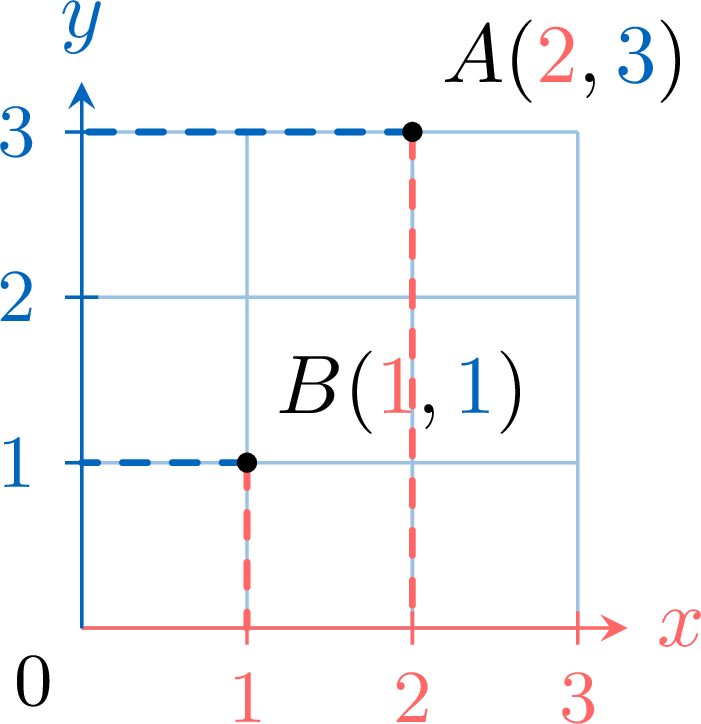
Location: Grids, Compass and Scale
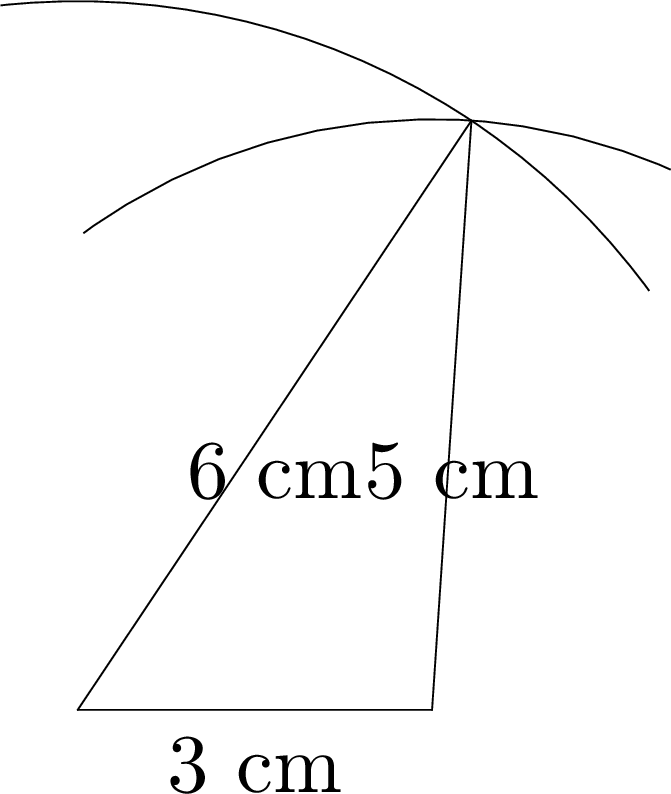
2D Shapes
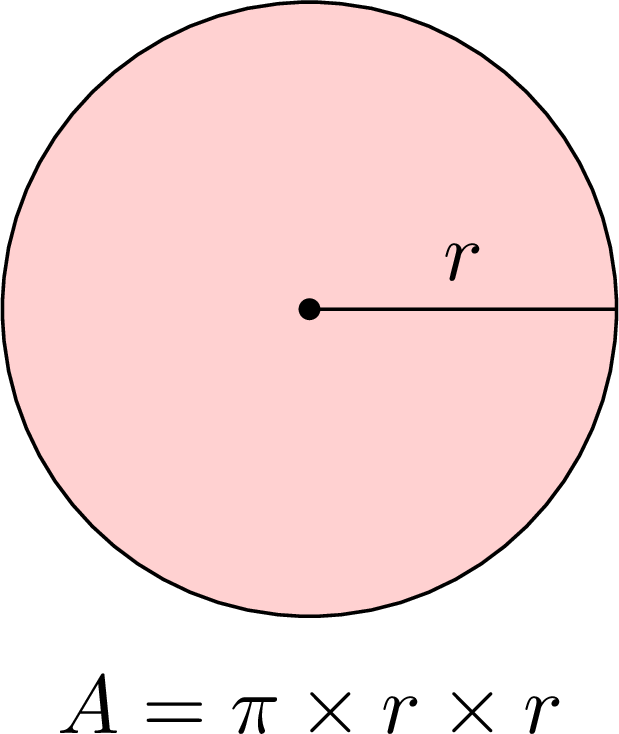
Area
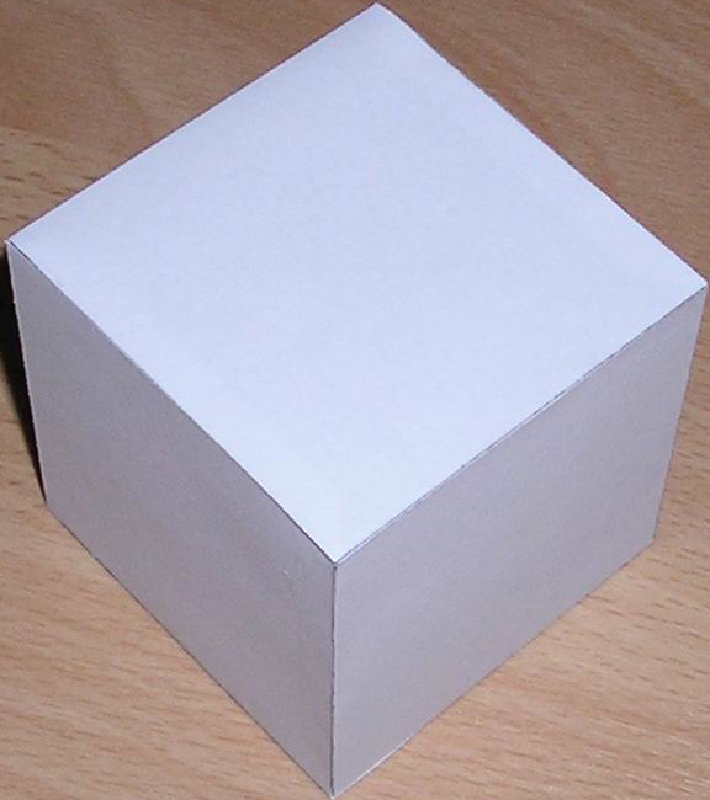
3D Shapes and Nets

Volume and Capacity

Mass
Money and Budgets
Number sequences and rules
Order of Operations and Problem Solving
Temperature and Negative Numbers
Percentages and Ratios

Probability
Statistics: Graphs and Averages
Transformations, Symmetry and Enlargement
The programme
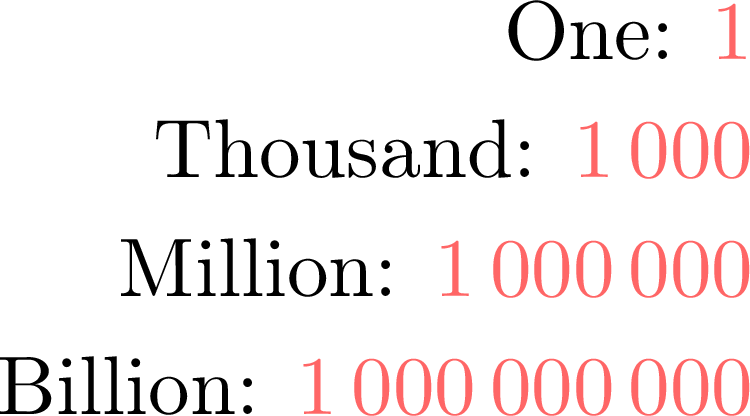
- Whole Numbers to Millions — Master numbers up to 5 digits and beyond! Learn place value (ten thousands to billions), expanded form, and number lines. This module provides systematic methods for comparing, bounding, and rounding numbers to the nearest ten, hundred, or thousand using clear visual models.
- Operations with Whole Numbers — Master whole number operations: addition, subtraction, multiplication, and Euclidean division. Learn formal column methods, the order of operations, and how to build mathematical expressions to solve real-world word problems. Includes step-by-step regrouping and remainder calculations.
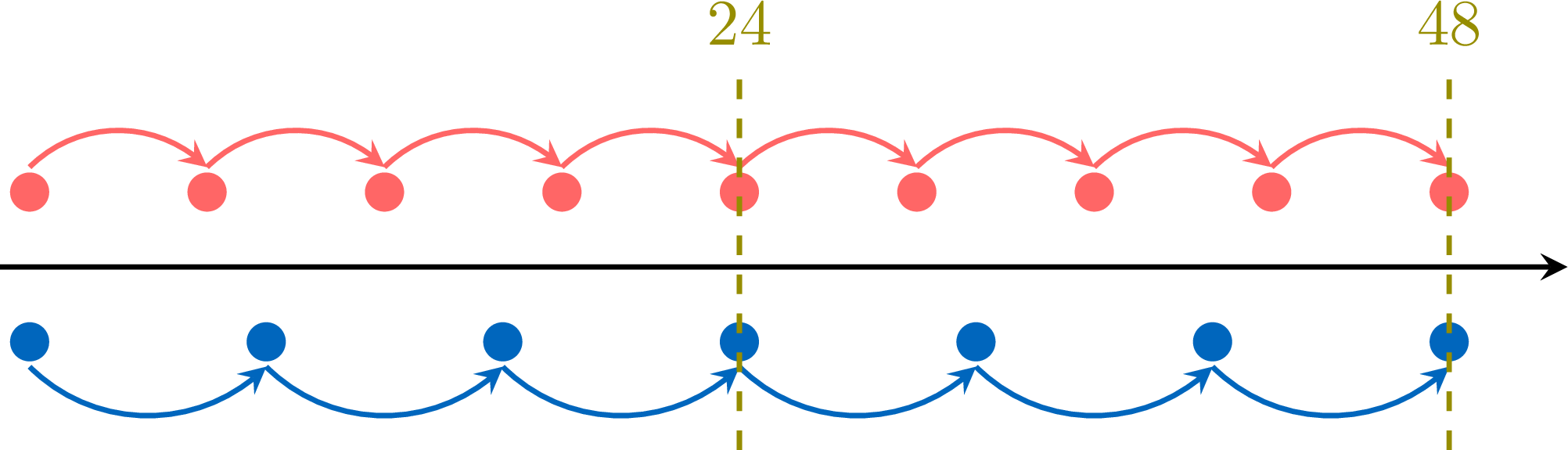
- Factors, multiples and primes — Multiples and divisors read as one relation: a number divides another when the division leaves no remainder. Recognise multiples of 2, 5 and 10 by the ones digit, of 25 and 50 by the last two digits, of 3 and 9 by the digit sum, and see why these tests work. Find all the divisors of a number by pairs, then the common divisors and the first common multiples of two numbers, the step towards a common denominator. Tell prime numbers from composite numbers by trying 2, 3, 5 and 7.
- Squares, square roots and exponents — Master exponents as a shorthand for repeated multiplication. This module covers base and exponent definitions, calculating squares and cubes, and integrating powers into the PEMDAS order of operations to evaluate multi-step mathematical expressions accurately.
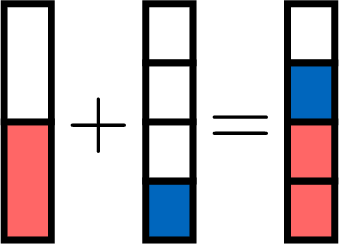
- Fractions: equivalence and comparison — Master fractions from definitions to complex operations. Learn improper fractions, number line representation, simplification, and comparisons. Covers addition and subtraction with common and unlike denominators using visual bar models and real-world word problems.
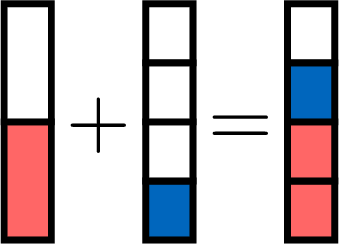
- Operations with fractions — Master fractions from definitions to complex operations. Learn improper fractions, number line representation, simplification, and comparisons. Covers addition and subtraction with common and unlike denominators using visual bar models and real-world word problems.
- Lines and Angles — Comprehensive guide to angles: definitions, degree measurement (360° full turn), and classification (acute, right, obtuse, straight). Covers practical methods and exercises for measuring and drawing angles accurately with a protractor.
- Time — Learn to measure and convert time units. Covers the 24-hour clock, reading analog clocks to the minute, and performing calculations with durations (addition and subtraction with regrouping). Includes real-world word problems using multiplication and division of time.
- Decimal Numbers — Master decimal numbers with tenths and hundredths. Learn place value, number lines, comparing, and rounding. Understand shortcuts for multiplying and dividing by powers of 10. Perfect for building early numeracy skills with visual models and real-world problems.
- Operations with Decimals — Master operations with decimal numbers! Learn step-by-step methods for column addition, subtraction, and multiplication. Discover how to handle long division with decimal divisors and solve practical word problems involving money and measurements.
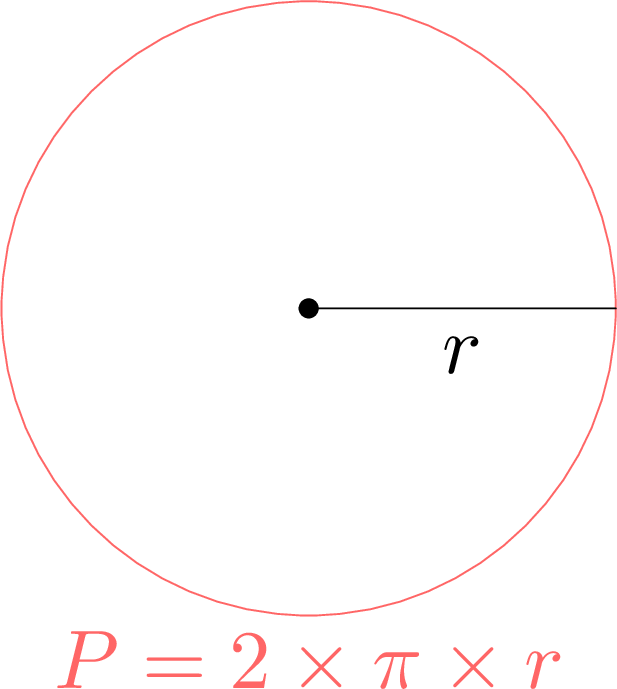
- Length and Perimeter — Learn to calculate the perimeter of triangles, rectangles, squares, and circles. This module covers core formulas, circumference (2πr), and methods for composite figures. Practice counting units on grids, finding unknown side lengths, and solving real-world word problems like fencing costs.
- Location: Grids, Compass and Scale — Master coordinate geometry by learning to navigate grids and the coordinate plane. Covers map reading, x and y axes, and plotting points. Practical exercises include tracking car movements and playing Battleship to identify specific coordinates.
- 2D Shapes — Identify, classify, and construct 2D shapes. Covers polygons (triangles to hexagons), triangle types (isosceles, equilateral, scalene), and circle properties (radius/diameter). Includes quadrilateral logic and compass construction techniques for circles and triangles.
- Area — Master area formulas for rectangles, squares, triangles, parallelograms, and circles. Learn to calculate the area of composite figures by adding or subtracting simple shapes. Practice metric conversions and solve real-world problems involving costs for tiling, painting, and gardening.
- 3D Shapes and Nets — Dive into 3D geometry by exploring faces, edges, and vertices of solids like cubes and pyramids. Master drawing hidden edges and multi-view projections (front, right, top). Learn to construct real 3D models from 2D nets using step-by-step methods on graph paper.
- Volume and Capacity — Master volume and capacity. Learn to find volume by counting cubes or using the rectangular cuboid formula (V=lwh). Explore units like cm³, m³, and liters (L, cL, mL). Practice metric conversions and solve real-world problems like pool volume and storage container capacity.
- Mass — Master the concept of mass and its metric units. Learn to distinguish mass from weight, compare objects on balance scales, and convert between tonnes, kilograms, grams, and milligrams. Features estimation exercises and practical price calculations using unit rates.
- Money and Budgets — Master money math with dollars, cents, and decimals. This module covers identifying currency, calculating totals and change, and introduces business concepts like income, expenses, profit, and loss through real-world examples like lemonade stands and craft sales.
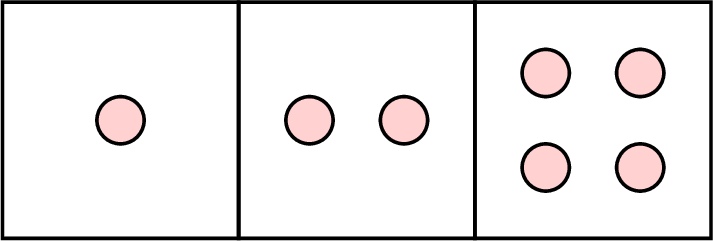
- Number sequences and rules — Explore the world of sequences! This module teaches how to identify and extend arithmetic and geometric sequences using common differences and ratios. Bridge visual patterns with algebraic rules through engaging exercises involving shapes, sticks, and dots.
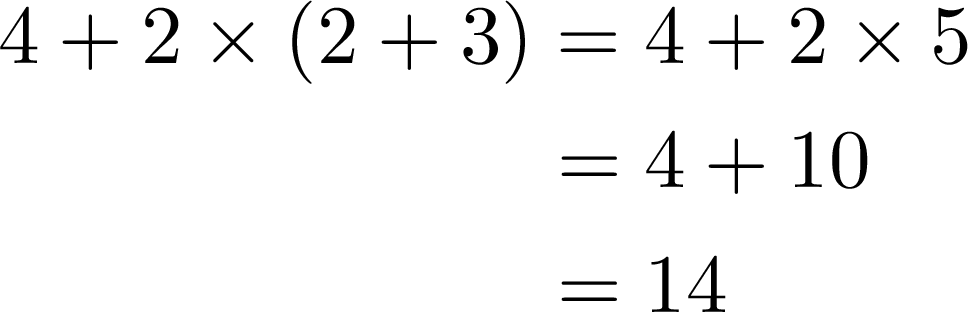
- Order of Operations and Problem Solving — Master whole number operations: addition, subtraction, multiplication, and Euclidean division. Learn formal column methods, the order of operations, and how to build mathematical expressions to solve real-world word problems. Includes step-by-step regrouping and remainder calculations.
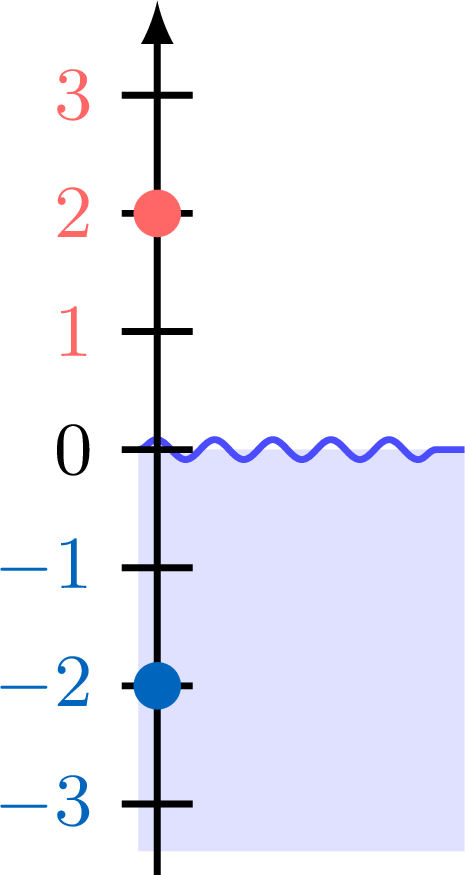
- Temperature and Negative Numbers — Negative numbers met in real situations: temperatures below zero, heights and depths measured from sea level, levels below the ground floor, quiz scores below zero. A number below zero is written with a minus sign. Reading and placing numbers on a number line that goes on below zero, drawn upright like the scale of a thermometer or across like a ruler, with steps of 1, 2, 5 or 10. Comparing and ordering in context: the lower on the line, the smaller the number, so -8 °C is colder than -3 °C.
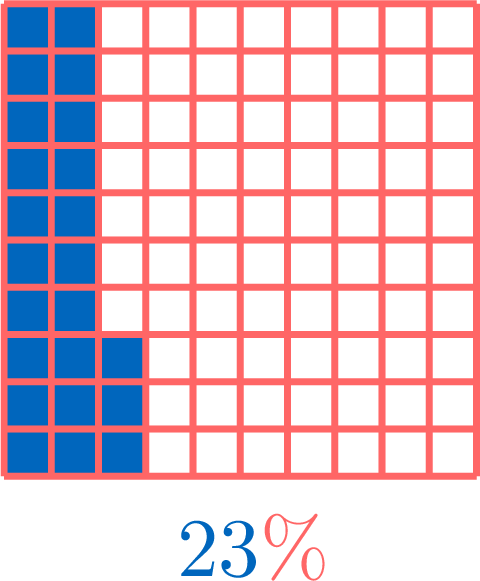
- Percentages and Ratios — Master the basics of percentages as ratios out of 100. Learn to visualize values using grids and convert between fractions, decimals, and percent signs. Covers essential methods like finding equivalent fractions and the rule of multiplying by 100%.
- Probability — Master the fundamentals of probability! Explore outcomes, events, and the probability line from impossible (0) to certain (1). Learn to calculate theoretical probability using fractions, decimals, and percentages, and compare it with experimental results from real-world trials.
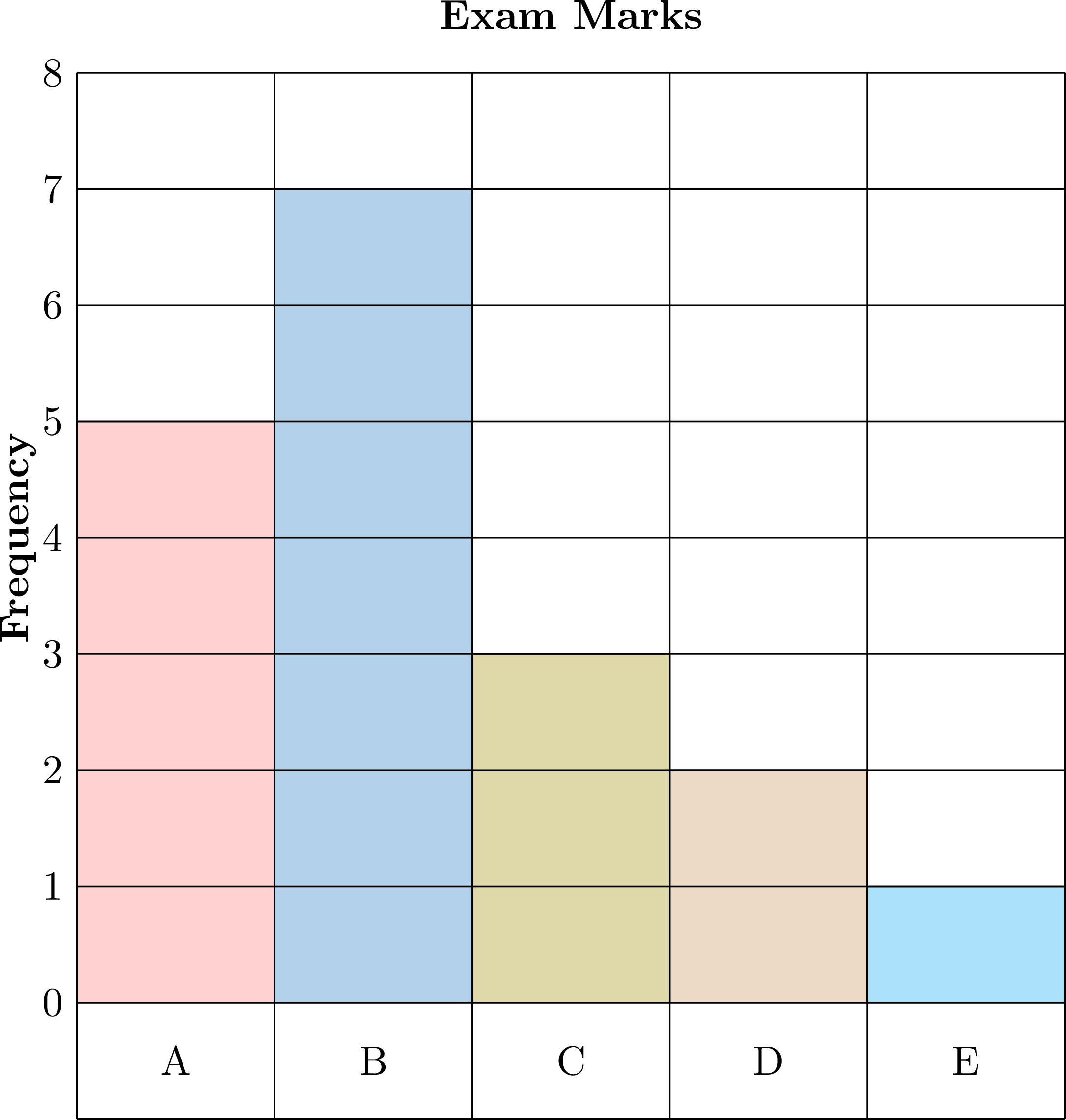
- Statistics: Graphs and Averages — Master the basics of statistical inquiry. Learn to identify populations, classify qualitative and quantitative variables, and organize data into frequency tables. Explore visual representation using pictographs and bar charts to analyze trends. Ideal for introductory statistics.
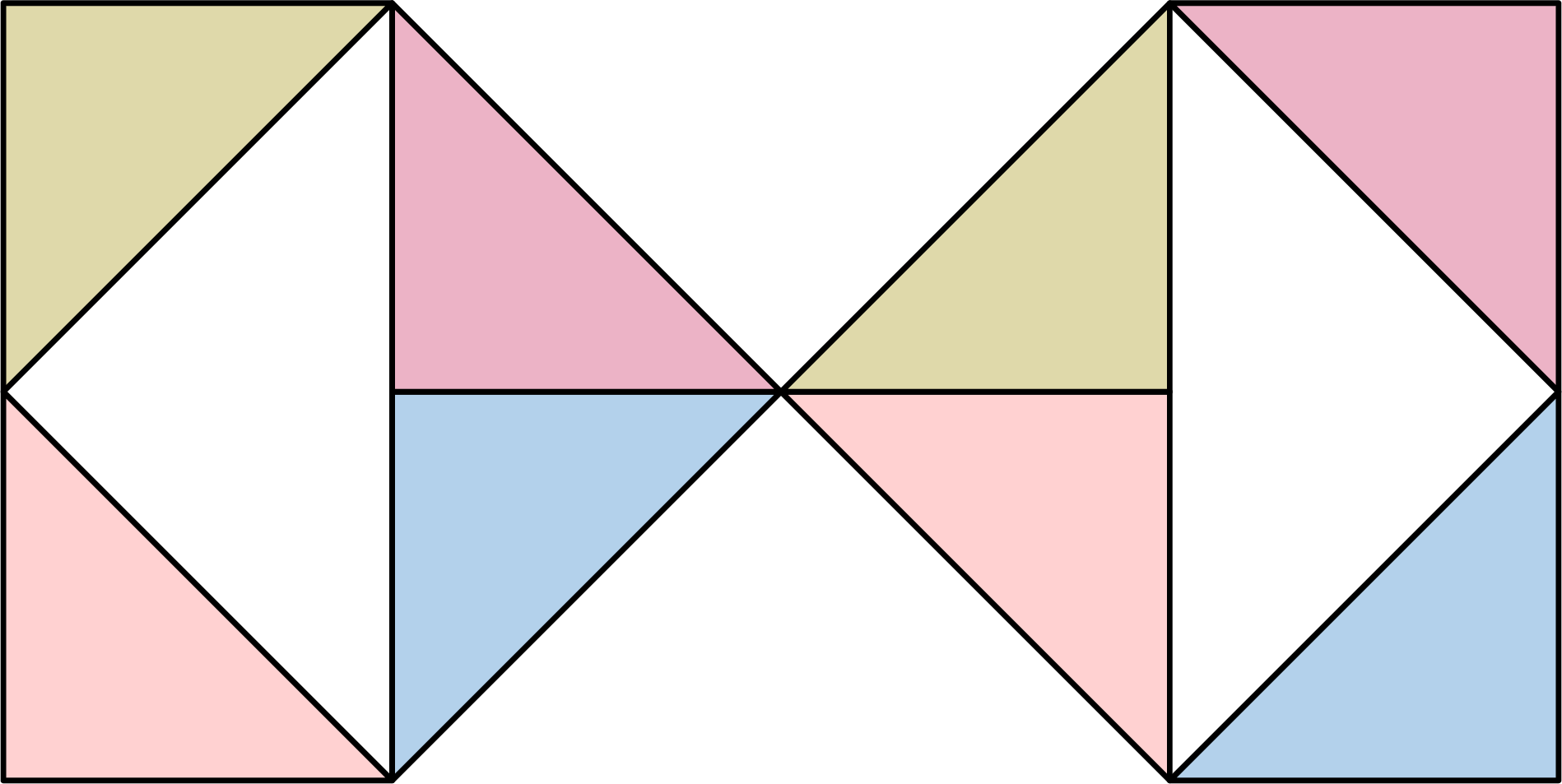
- Transformations, Symmetry and Enlargement — Explore geometric transformations: translation, rotation, and reflection. Learn to identify moves, differentiate between objects and their images, and complete complex designs. Includes practical exercises on drawing single and multi-row patterns using grid paper.