MYP 1 mathematics
18 chapters, in the order of the programme: lessons, videos and worked exercises, free to start.






The programme
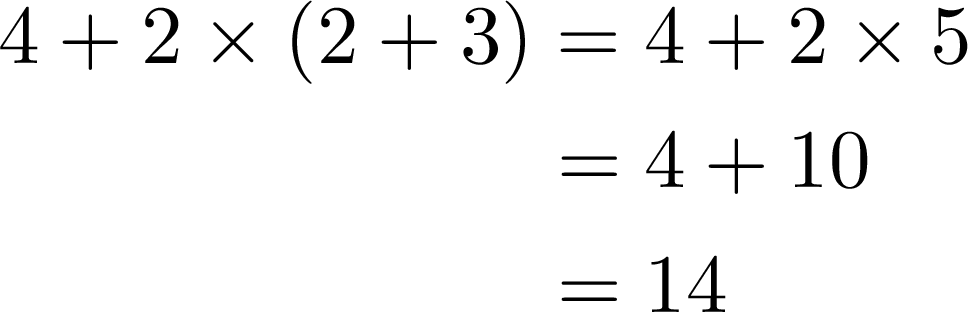
- Whole Numbers and Operations — Master whole number operations: addition, subtraction, multiplication, and Euclidean division. Learn formal column methods, the order of operations, and how to build mathematical expressions to solve real-world word problems. Includes step-by-step regrouping and remainder calculations.
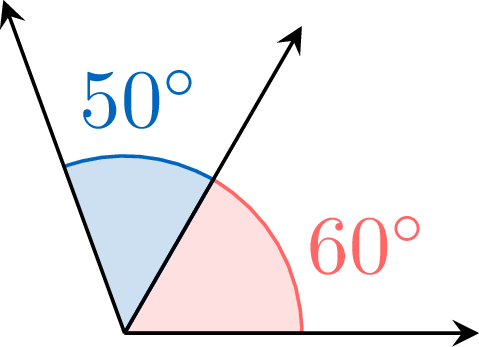
- Lines and Angles — A foundational module on angles covering three-point notation, protractor use, and classification (acute, right, obtuse, straight). It details the angle addition postulate and geometric properties to calculate unknown measures in right, straight, and full angle configurations.
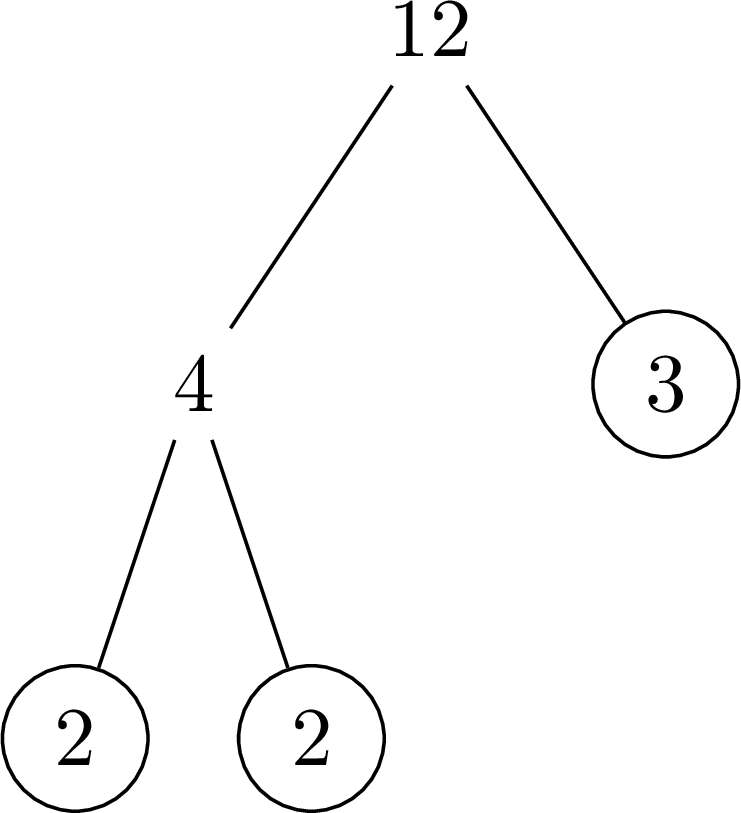
- Number Properties — This module explores fundamental integer properties, including the properties of 0 and 1, Euclidean division, and divisibility rules for 2, 3, 4, 5, and 9. It also covers prime numbers and prime factorization using the factor tree method with practical applications.
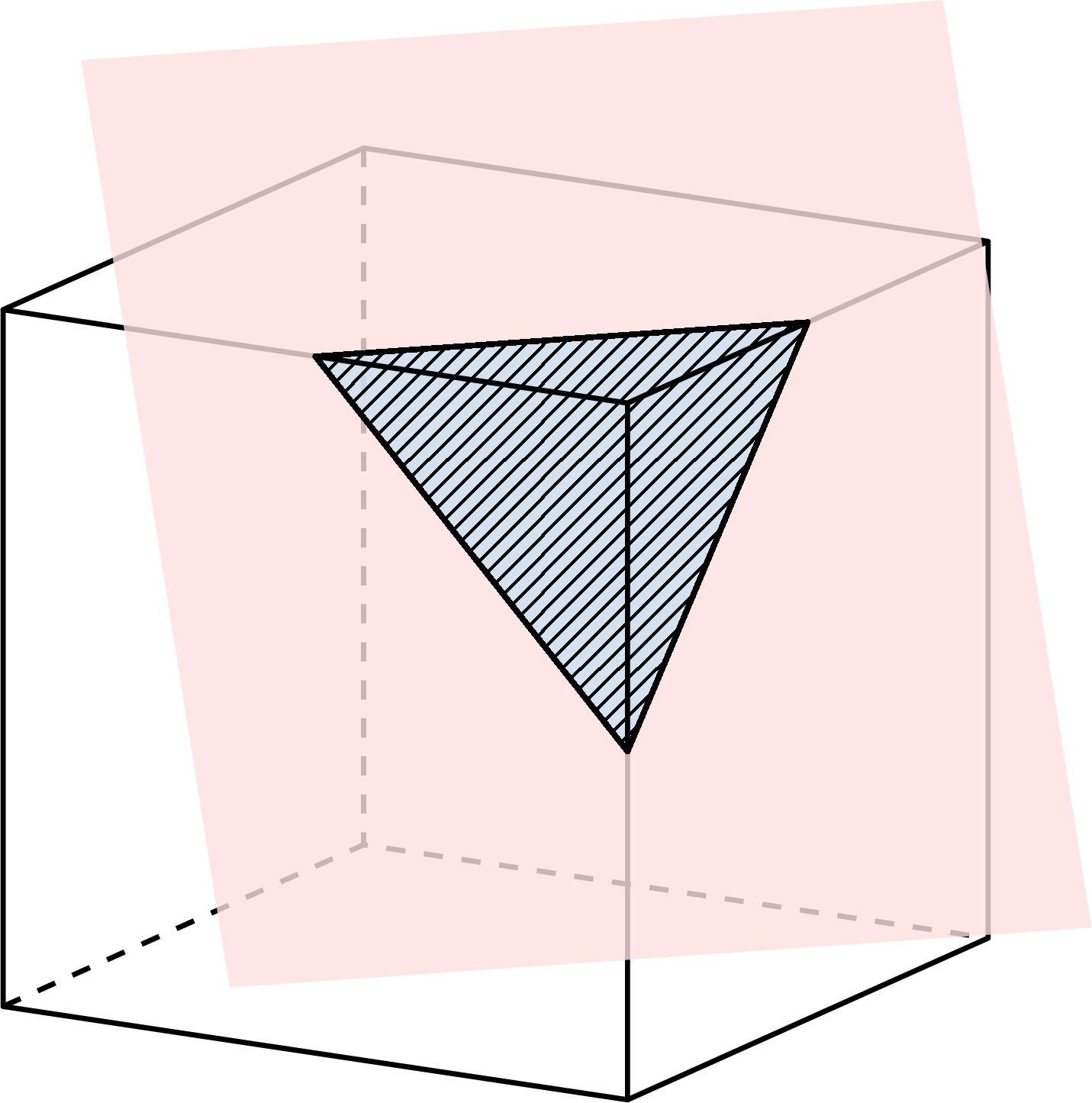
- Geometric Shapes — Explore solid geometry and 3D shapes. Learn to classify polyhedra, count faces, edges, and vertices, and identify uniform cross sections. This module covers prisms, pyramids, drawing techniques with hidden edges, multi-view projections, and folding 2D nets into 3D solids.
- Fractions — Learn to define, represent, and operate with fractions. Covers number lines, equivalent fractions, simplification, and cross multiplication. Master addition, subtraction, and comparisons with unlike denominators, decimal conversions, and mixed numbers through real-world problem-solving.
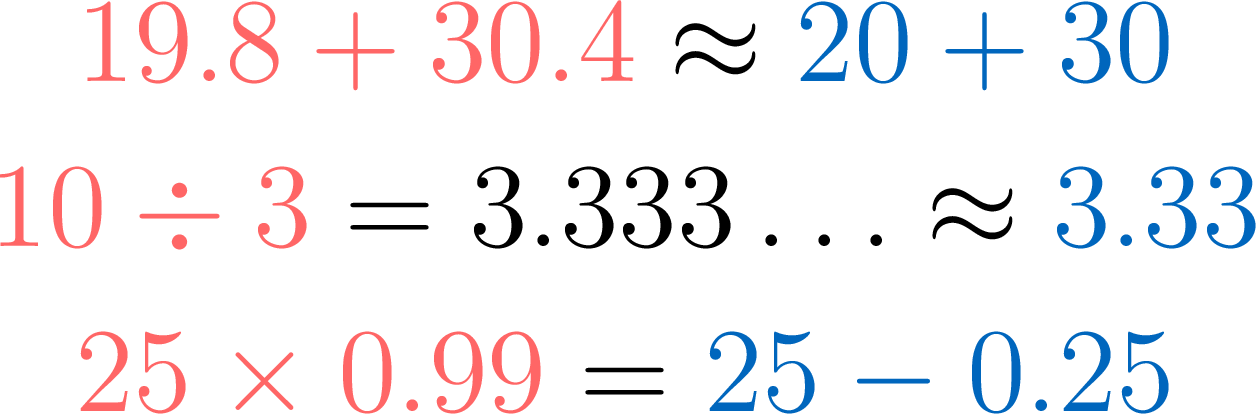
- Decimals — Consolidate decimal numbers to thousandths and learn to calculate with reason. Master orders of magnitude to estimate and check results, use the properties of operations for mental calculation, multiply and divide with decimals, and give approximate values of never-ending quotients, by default and by excess.
- Length and Perimeter
- Area — Master length measurement and perimeter. Cover standard metric units (mm to km), unit conversions, and perimeter formulas for polygons and circles. Includes calculating arc lengths, perimeter of circular sectors, and composite figures with practical real-world word problems.
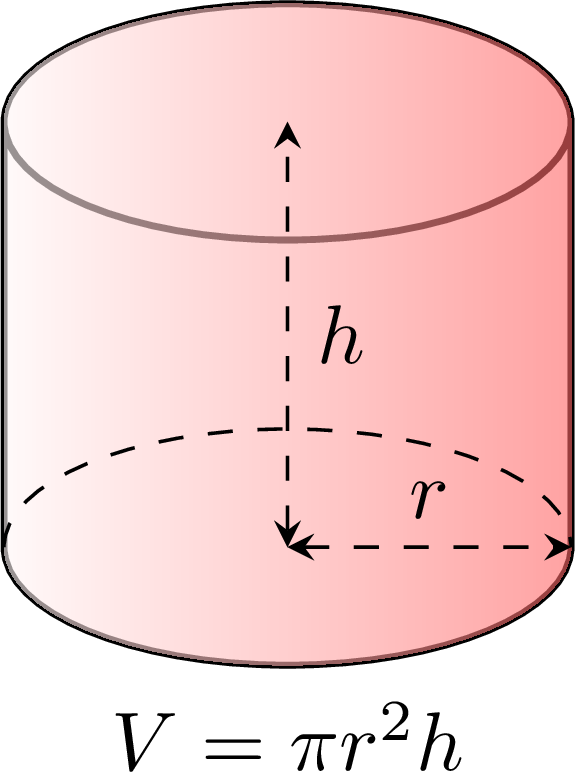
- Volume, Capacity and Mass — Master volume and capacity using units (mm³, cm³, m³) and liquid measures (L, cL, mL). Learn formulas for rectangular cuboids, triangles, cylinders, and arc lengths. Practice unit conversions and solve real-world capacity problems with step-by-step methods.
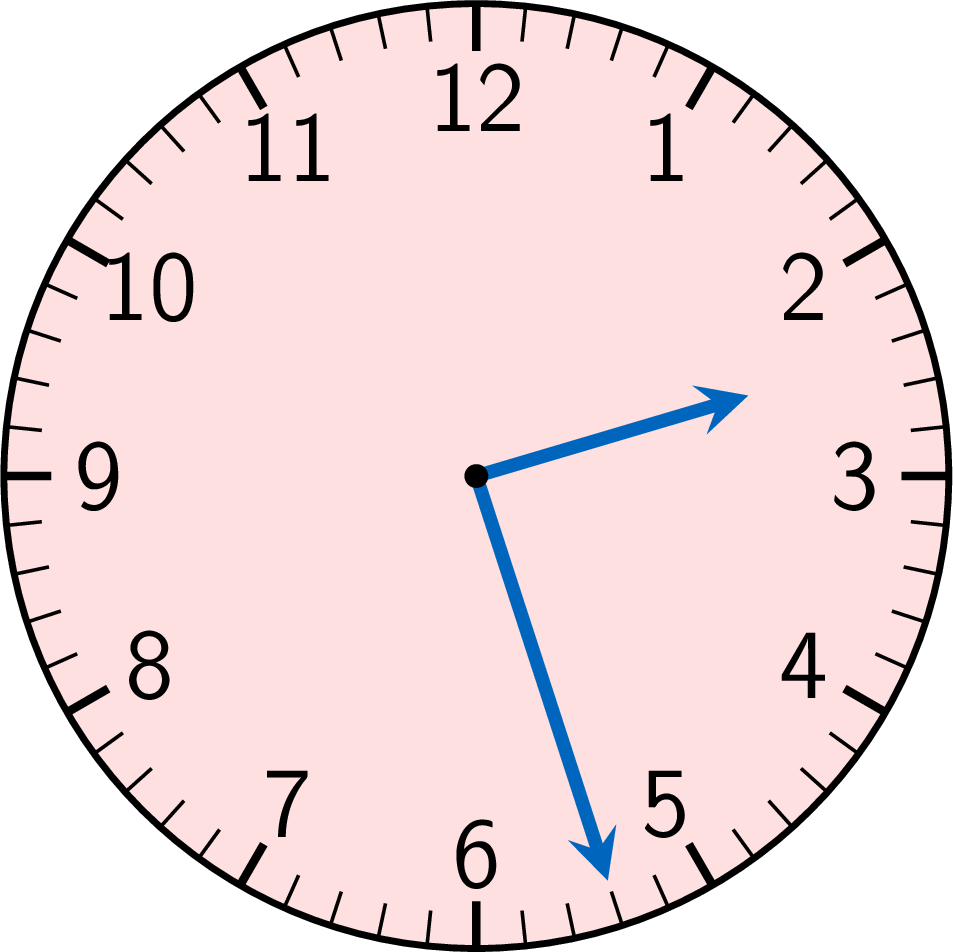
- Time — A complete guide to time: units, conversions, and 24-hour format. Covers analog clock reading to the minute, duration calculations (addition/subtraction with regrouping), and historical timelines using the BCE/CE system. Essential for mastering everyday and academic time.
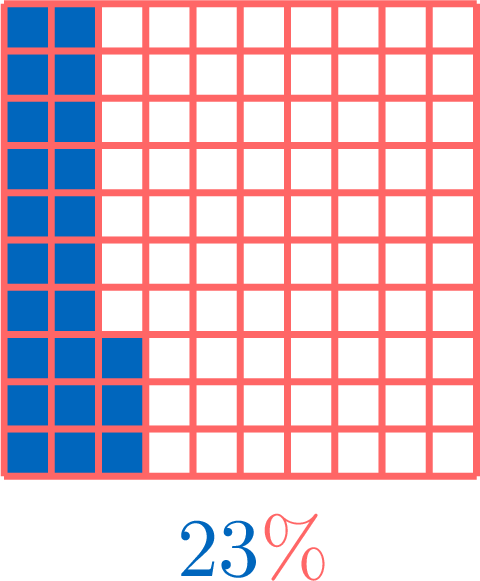
- Percentage — Master percentages through definitions, visual models, and conversions. Learn to calculate parts and wholes, compare ratios, and solve real-world problems involving percentage increases and decreases. Includes step-by-step methods for fractions and decimals.
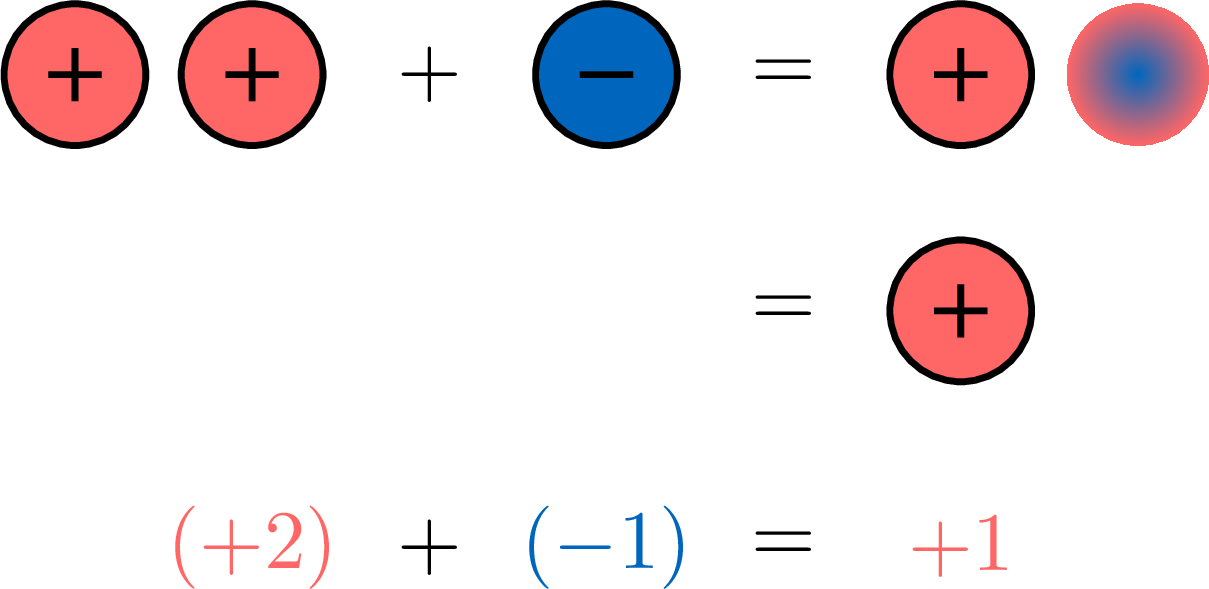
- Positive and Negative Numbers — Introduction to integers using visual particle models and number lines. Learn rules for adding and subtracting positive and negative numbers, finding opposites, and absolute values. Practical word problems cover temperature, altitude, and finance to master ordering and comparison.
- Sequences — An introductory module on numerical sequences. Learn to identify and extend arithmetic and geometric sequences using common differences and ratios. Includes visual pattern recognition with sticks and dots, and methods for finding terms from tables and recursive rules.
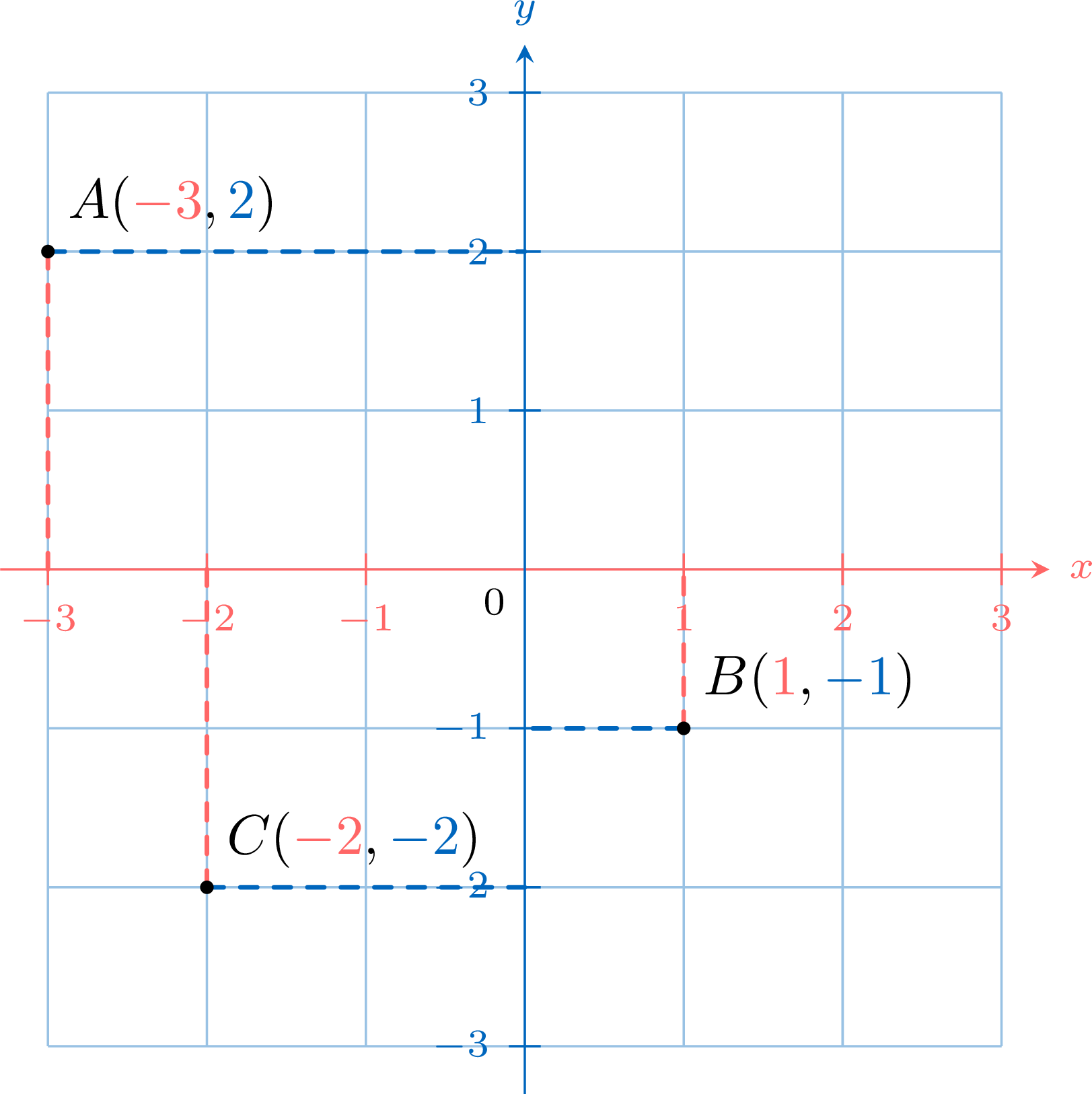
- Location — Explore the coordinate plane using integers. Learn to navigate the x and y axes, identify the origin (0,0), and use tables of points. Includes exercises on plotting points across all four quadrants and matching coordinate tables with their corresponding graphs. Then step into space: locate a point of a cuboid with three coordinates, its abscissa, ordinate and altitude.
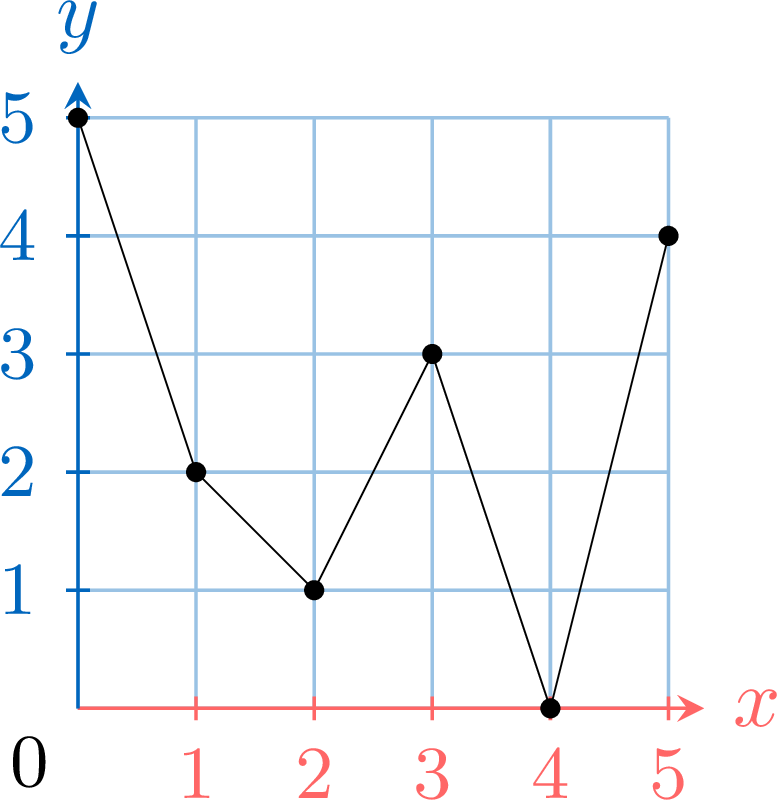
- Line Graphs — This module introduces mathematical relations, exploring how variables are connected through tables and graphs. Learn to identify variables in scientific contexts, organize data in tables, and construct or interpret line graphs in the coordinate plane.
- Probability — When outcomes stop being equally likely! Revisit outcomes, events and the probability scale, then discover unequal likelihoods: spinners with unequal sectors, loaded dice and thumbtacks. Learn that all probabilities add up to 1, find missing probabilities, and estimate chances by experiment.
- Statistics — Learn the 5-step statistical investigation process: posing questions, collecting data, and classifying variables. Covers frequency tables, calculating mean and mode, and visualizing results with bar and pie charts for effective data interpretation.
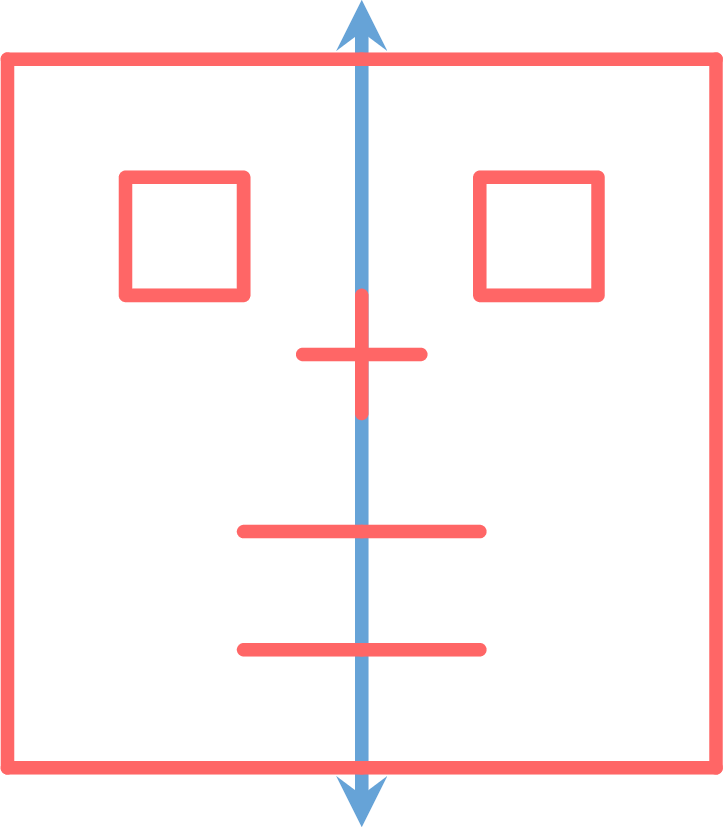
- Transformations — A comprehensive study of axial symmetry and reflection. Covers mirroring points and shapes, finding image coordinates on a grid, and identifying axes of symmetry. Includes exercises on drawing mirror images and counting symmetry axes for triangles, rectangles, and squares.