PYP 4 mathematics
23 chapters, in the order of the programme: lessons, videos and worked exercises, free to start.
Numbers to 999 999

Addition

Subtraction
Multiplication
Data Handling
Division

Fractions
Patterns and functions
Number sentences and problem solving
Time
Turns and Angles
Decimals
Length and Perimeter
2D Shapes

Area
Position, Grids and Scale
3D Shapes
Volume and Capacity
Mass

Temperature

Money

Probability
Symmetry and Transformations
The programme
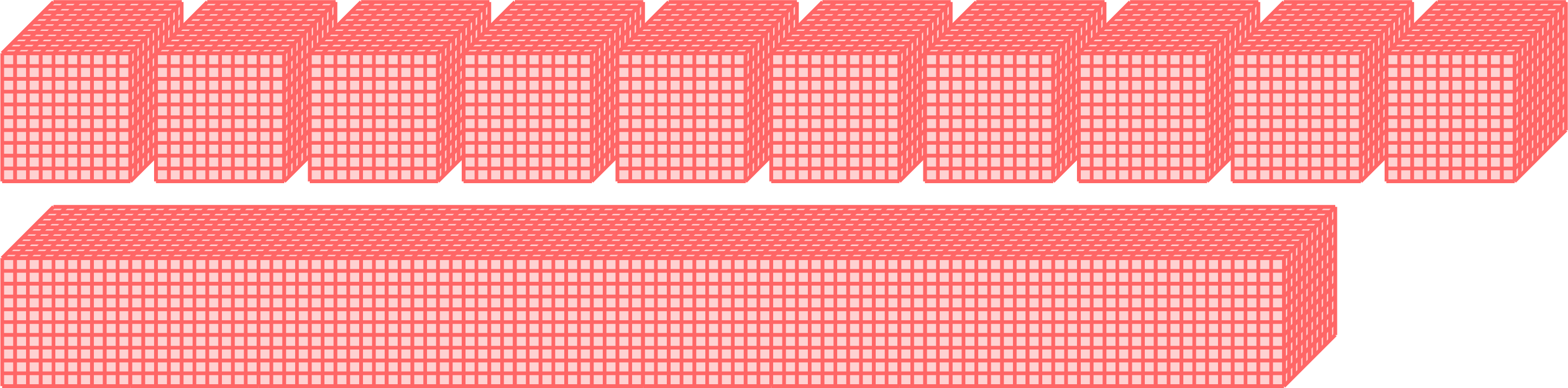
- Numbers to 999 999 — Explore 5 and 6-digit numbers up to 999 999 using place value tables, blocks, and expanded form. Master the ten thousands and hundred thousands places, read and place large numbers on number lines, and compare, bound and order them. Perfect for building a strong foundation in the base-10 system.
- Addition — Master addition with multi-digit numbers using visual models and column methods. This module covers regrouping (carrying), place value alignment, and part-whole models. Learn to solve real-world problems involving thousands and ten thousands with step-by-step guidance.
- Subtraction — Master subtraction with multi-digit numbers using visual models, column methods, and the compensation strategy. Learn to maintain differences while simplifying calculations. Includes practice with numbers within 20, 1000, and real-world word problems.
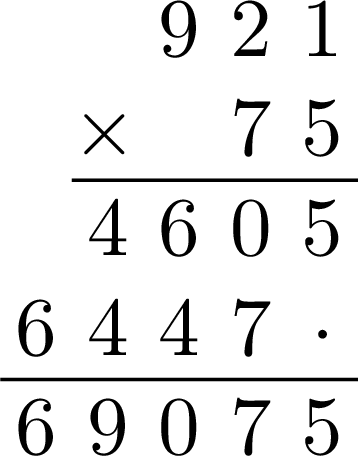
- Multiplication — Master long multiplication through step-by-step column methods. Learn to multiply by multiples of 10 and 100, use partial products, handle carry-overs, and apply placeholder zeros. Covers 2-digit and 3-digit multiplication by single and double-digit numbers.
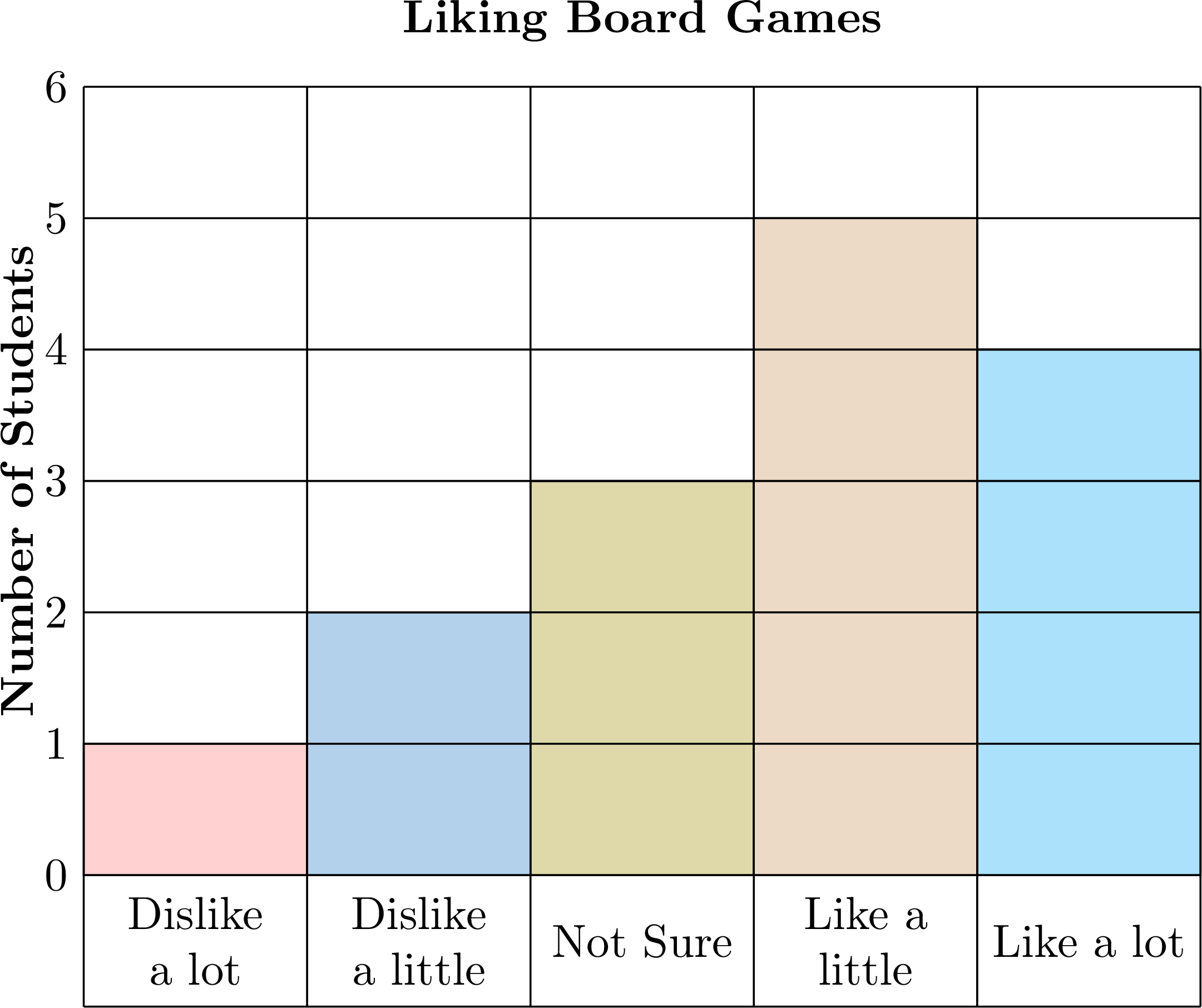
- Data Handling — Master data collection and visualization for beginners. Learn to use tally marks, design survey questions, and represent information through pictographs and bar charts. Includes exercises on reading graphs to identify the most and least popular categories in various datasets.
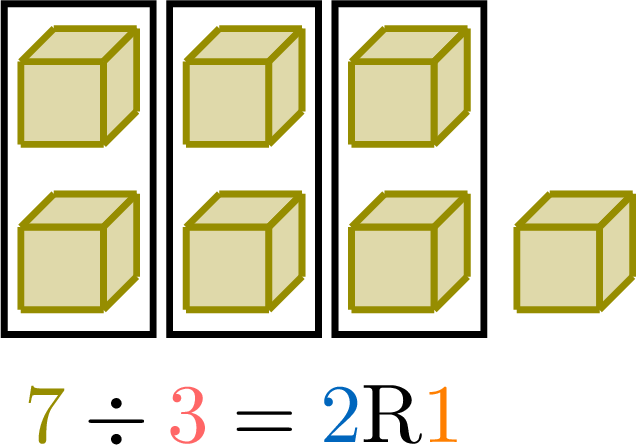
- Division — Master Euclidean division and the long division algorithm. Learn to identify the dividend, divisor, quotient, and remainder while solving sharing and grouping problems. Features step-by-step visual guides and links division to its inverse operation: multiplication.
- Fractions — Master the fundamentals of fractions! Learn to identify numerators and denominators, place values on a number line, and find equivalent fractions. Includes step-by-step guides for adding and subtracting fractions with common denominators using visual models and word problems.
- Patterns and functions — Introduction to numerical sequences, focusing on identifying patterns and terms. Covers arithmetic sequences (common difference via addition/subtraction) and geometric sequences (common ratio via multiplication/division). Includes practical exercises with tables and logic patterns.
- Number sentences and problem solving — First steps in algebra: the two sides of the equals sign, missing-number equalities, hiding a number behind a box or a letter, bar-model problems and calculation programs. The first algebraic thinking of the curriculum.
- Time — Durations in two units at once, and along a line of years. Writing a number of minutes as hours and minutes, and a number of seconds as minutes and seconds, by counting in sixties: the number of sixties is the quotient, what is left is the remainder; and the way back, from hours and minutes to minutes. Durations of several hours, measured by going through the round hours, and two durations compared once written in the same unit. Timelines of a day, a year and a life, drawn to scale so that equal distances stand for equal durations: finding what one step stands for, placing and reading an event, finding the time between two events, drawing a timeline.
- Turns and Angles — Introduction to angles: definition, parts (vertex, arms), and measurement. Learn about the degree unit, dividing a full turn (360°), and using a protractor to measure and construct angles accurately. Includes practical exercises on comparison and calculation.
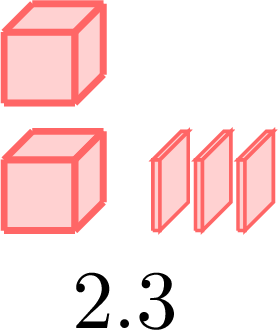
- Decimals — Discover decimal numbers through visual models and number lines. Learn place value from hundreds to hundredths, expanded forms, and how to convert fractions to decimals. Perfect for building a solid foundation in base-ten systems with clear, step-by-step examples.
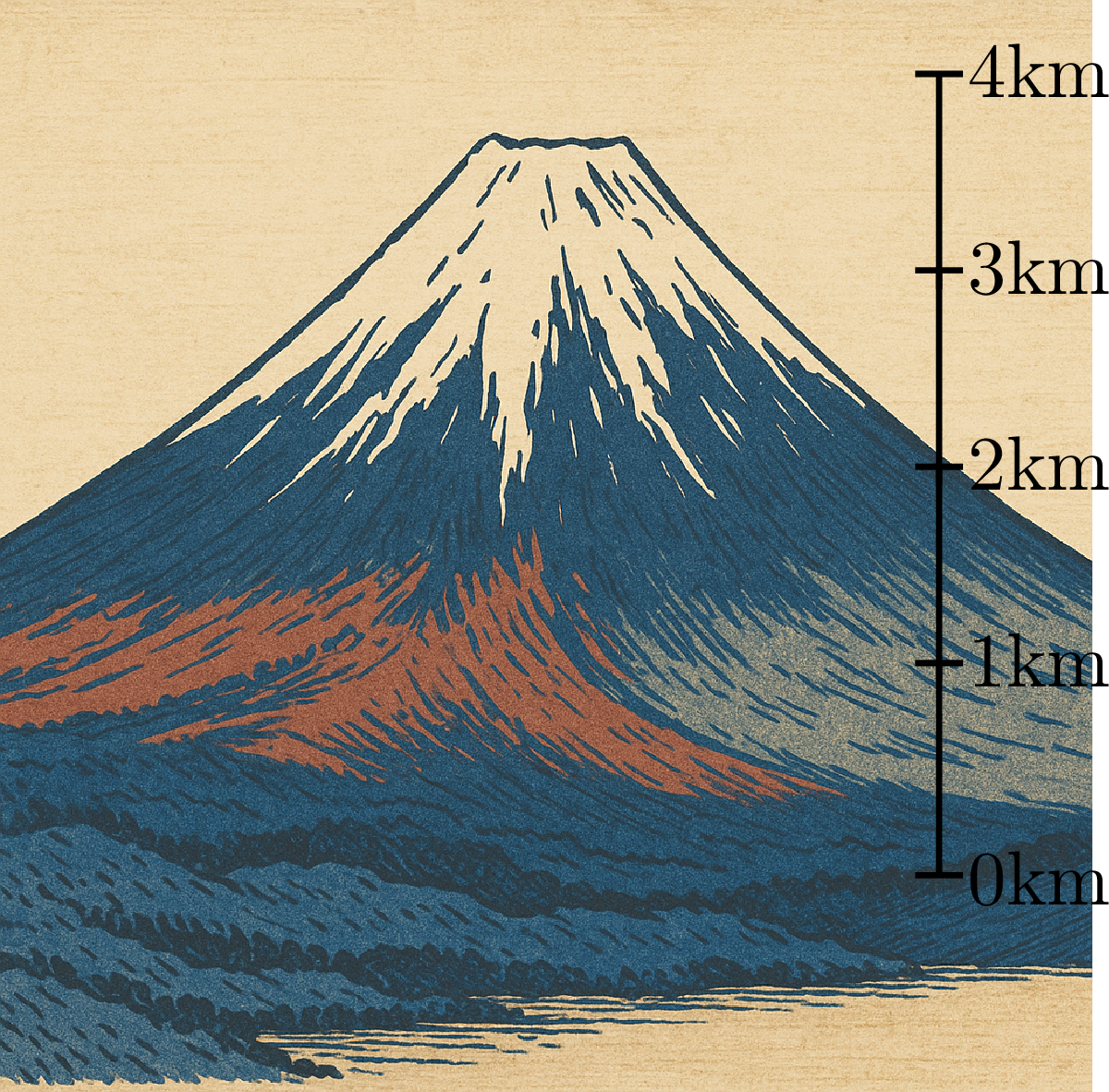
- Length and Perimeter — Master standard units of length: mm, cm, m, and km. Learn to measure distances, convert between metric units using multiplication, division, or conversion tables, and solve real-world problems comparing lengths in different units.
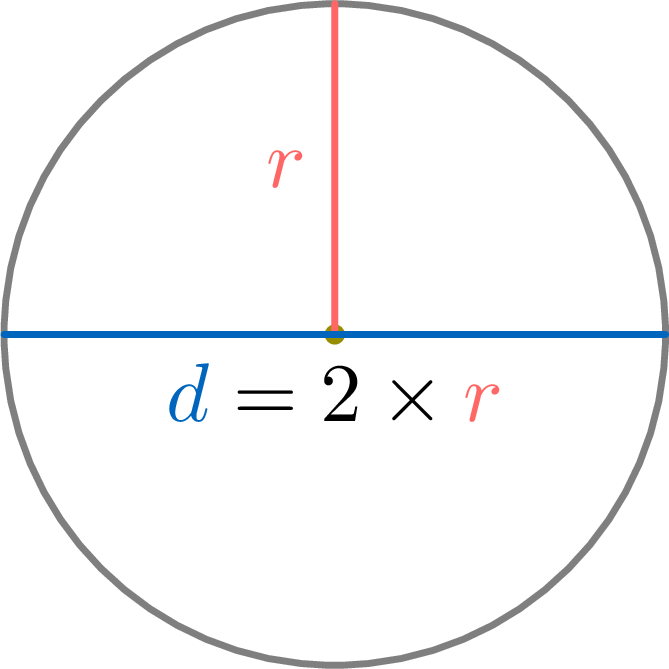
- 2D Shapes — Explore 2D shapes and polygons. Learn to identify sides and vertices, classify triangles, quadrilaterals, pentagons, and hexagons. Master circle properties (radius and diameter) and techniques to reproduce geometric figures and composite shapes on graph paper.
- Area — Learn to measure area by counting square units and using formulas for rectangles (l × w) and squares (s × s). Explore standard units like cm² and m². Solve real-world word problems involving tiling, painting, and gardening costs.
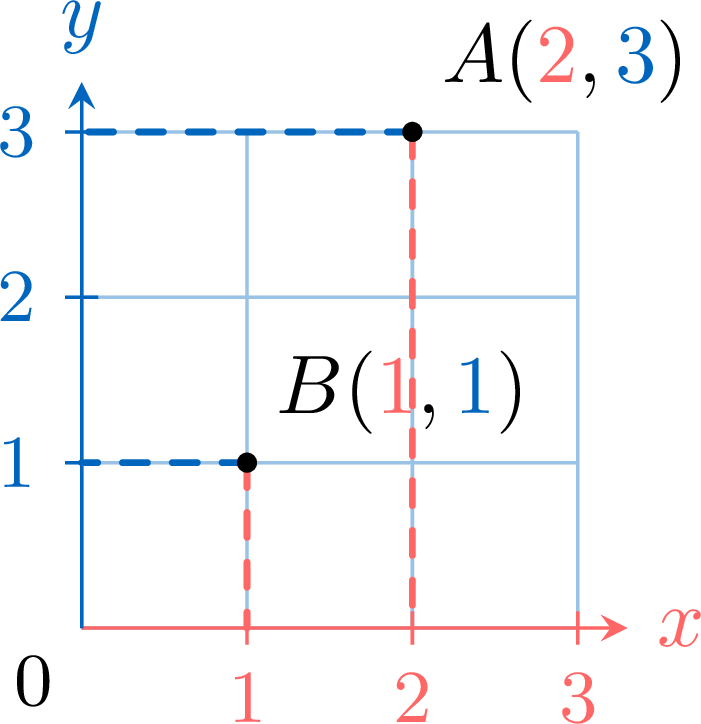
- Position, Grids and Scale — Master coordinate geometry by learning to navigate grids and the coordinate plane. Covers map reading, x and y axes, and plotting points. Practical exercises include tracking car movements and playing Battleship to identify specific coordinates.
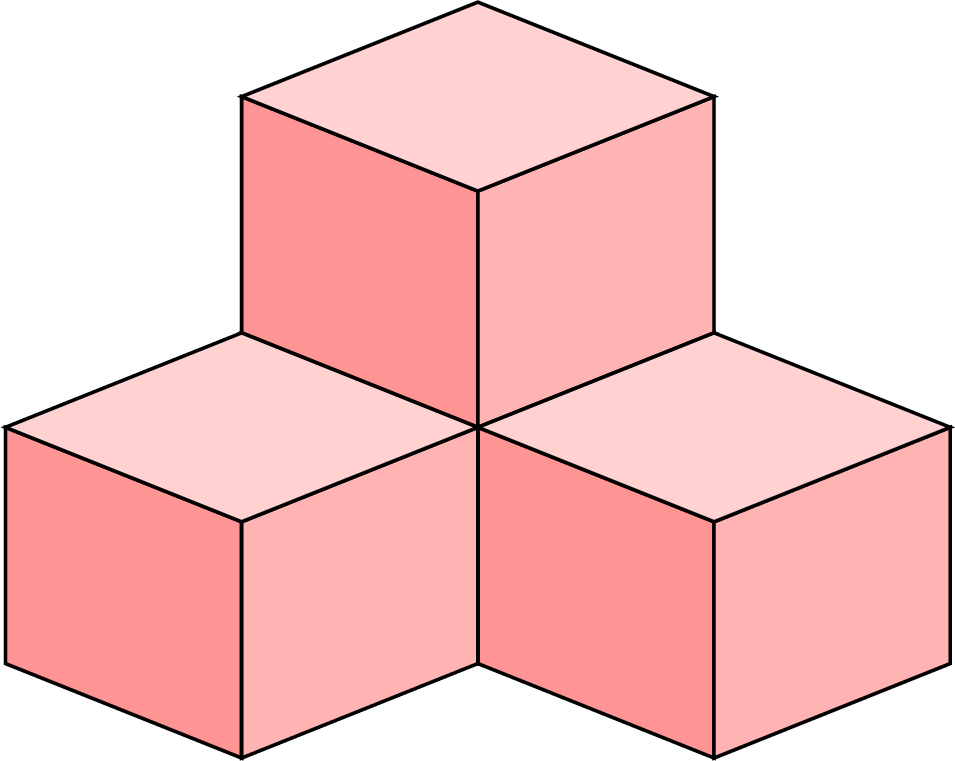
- 3D Shapes — Learn the fundamentals of solid geometry. Define faces, edges, and vertices for cubes, pyramids, and cylinders. Master 3D visualization using hidden edges and multi-view projections (front, right, top). Includes exercises on shape classification and 2D-to-3D representation.
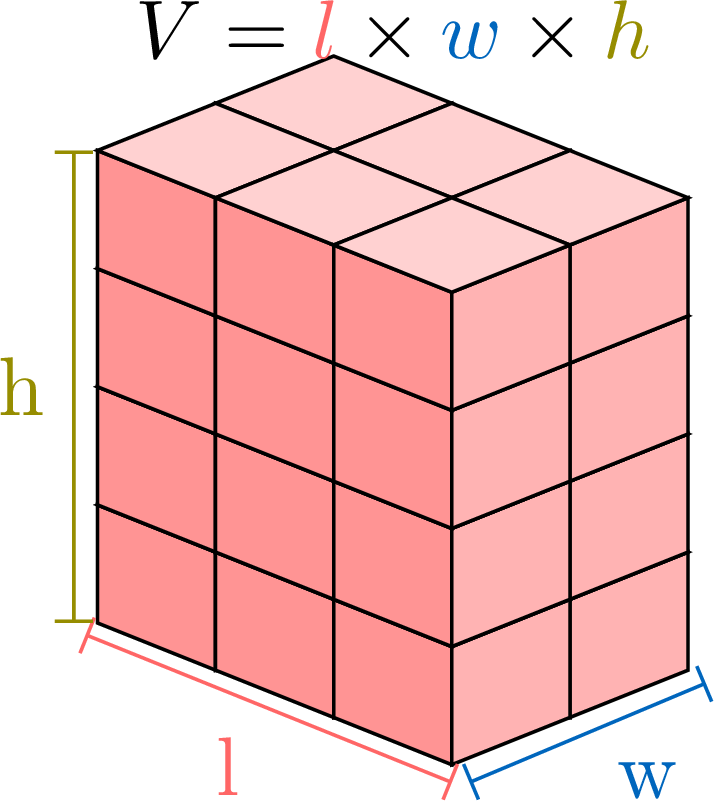
- Volume and Capacity — Introduction to volume and capacity. Learn to calculate the volume of shapes by counting cubic units or using the formula for rectangular cuboids (Length x Width x Height). Covers standard units like cm³ and m³ and real-world problems like pool filling and storage.
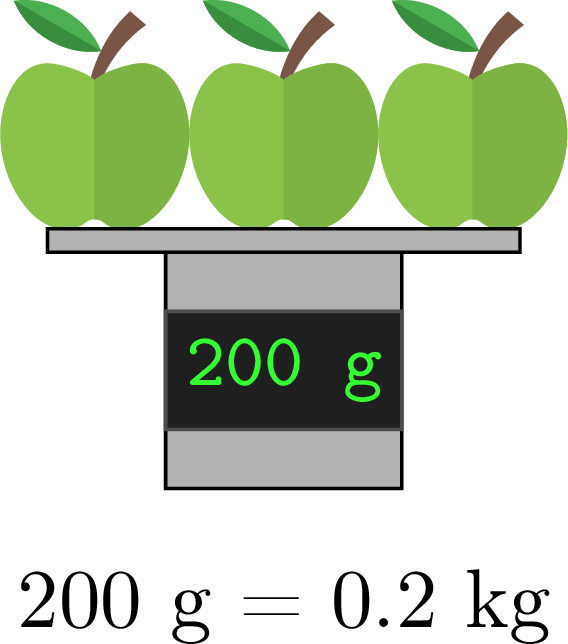
- Mass — Learn the concept of weight using grams and kilograms. This module covers comparing objects on balance scales, reading digital balances, and unit conversions (1 kg = 1000 g) using tables or arithmetic. Includes practical exercises on fruit pricing and weight distribution.
- Temperature — Temperature as a number: how hot or cold something is, measured in degrees Celsius (°C) and read on a thermometer at the top of the coloured liquid. Finding what one step of the scale stands for, then reading thermometers marked in fives or in twos. Temperatures below zero, written with a minus sign and read by counting the marks down from 0. Estimating everyday temperatures, comparing and ordering temperatures by their position on the thermometer, and finding the difference between two temperatures as a number of degrees, through 0 when one of them is below zero.
- Money — Learn to handle money using decimal form with dollars and cents. Practice identifying bills and coins, calculating total sums, checking budgets for purchases, and determining change. This module bridges basic arithmetic with real-world currency applications.
- Probability — Introduction to probability: outcomes, events, and the 0-1 scale. Learn to list outcomes from dice or spinners and calculate probabilities using the formula P = favorable/total. Includes word descriptors like 'likely' or 'certain' and 24-hour clock conversions.
- Symmetry and Transformations — Master geometric transformations: translation (slides), rotation (turns), and reflection (flips). Learn the concepts of object and image, practice identifying transformation types, and complete designs by drawing repeating patterns on graph paper.