PYP 3 mathematics
24 chapters, in the order of the programme: lessons, videos and worked exercises, free to start.
Numbers to 10 000
Comparing, Ordering and Rounding
Grids, Maps and Compass Directions
Turns and Angles
Addition
2D Shapes and Polygons
3D Shapes
Subtraction
Length
Perimeter and Area
Capacity and Volume
Mass
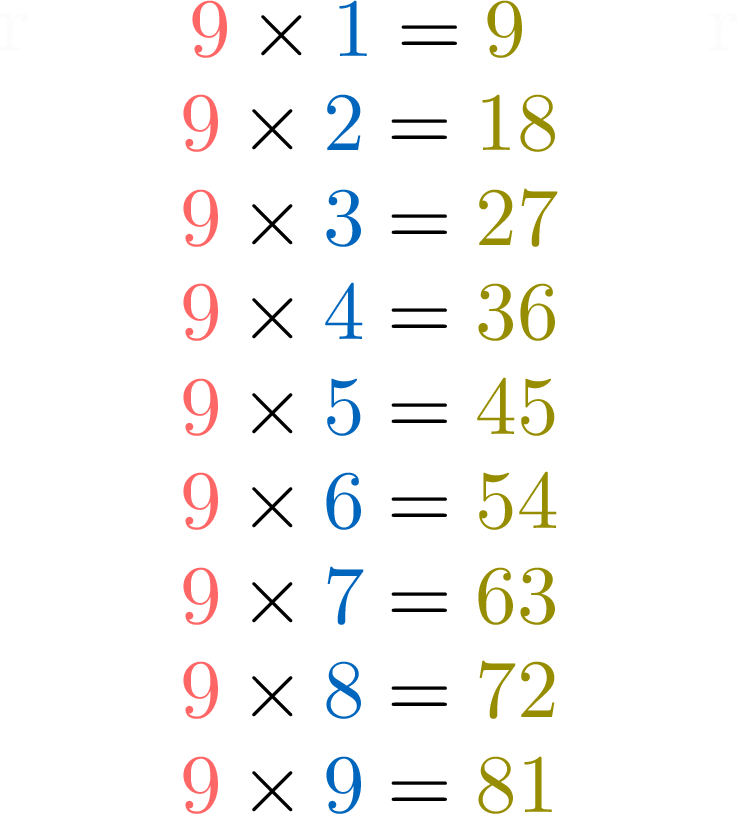
Times Tables to 10 × 10
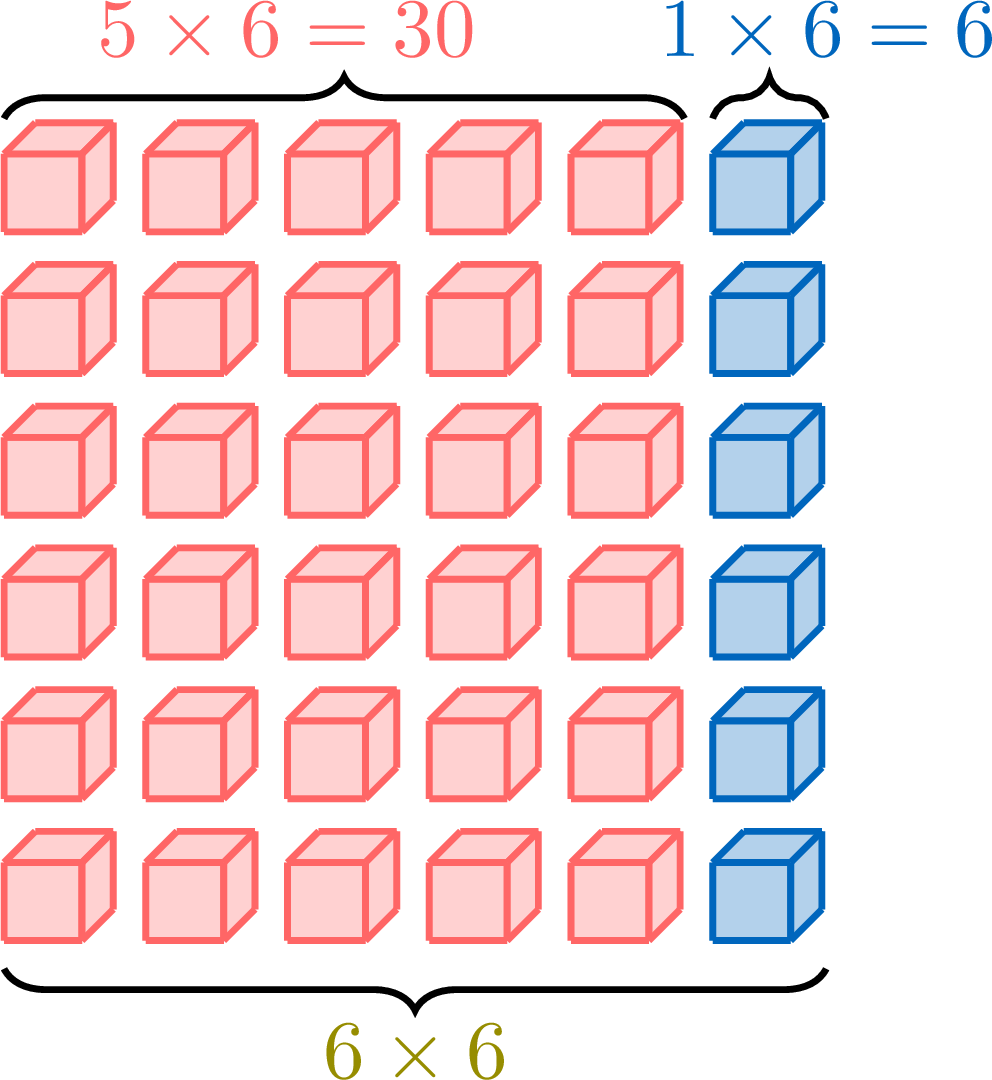
Multiplication Strategies
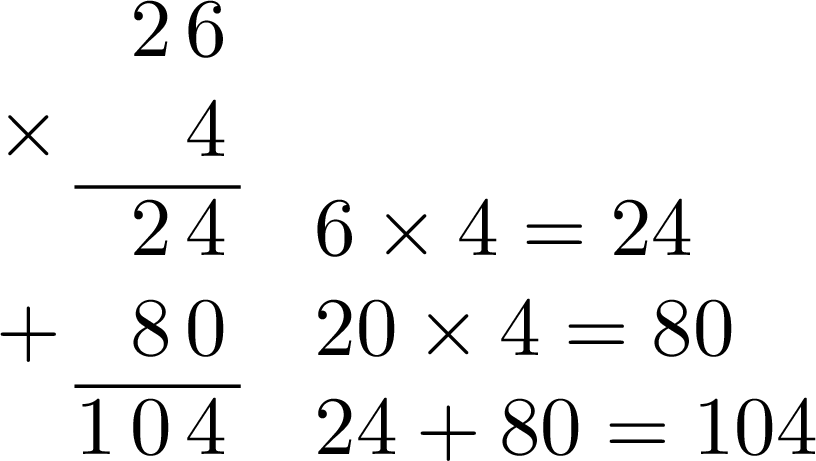
Written Multiplication
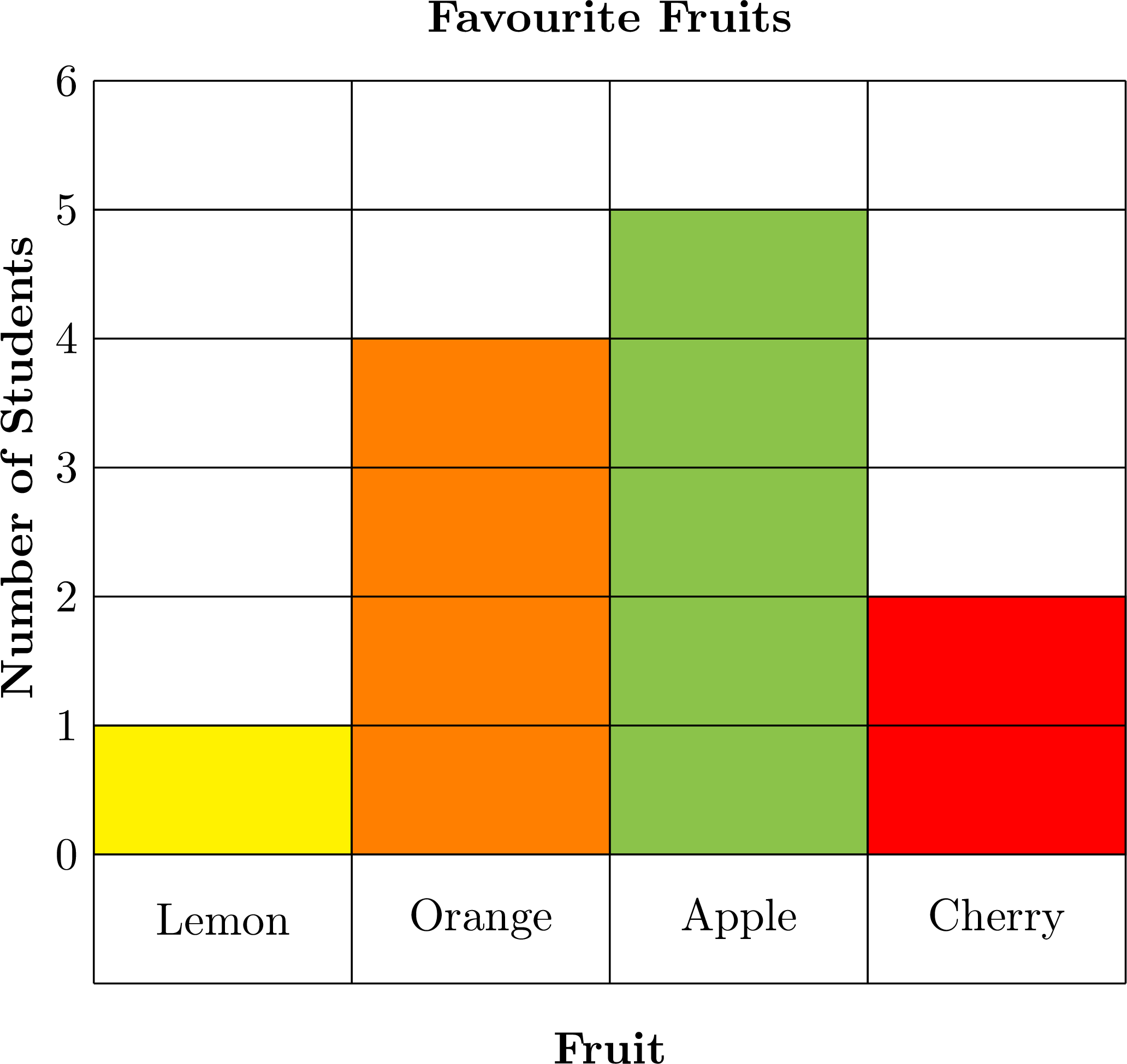
Data Handling

Division

Fractions
Number Patterns
Number sentences and word problems
Time

Money
Chance
Symmetry and Transformations
The programme
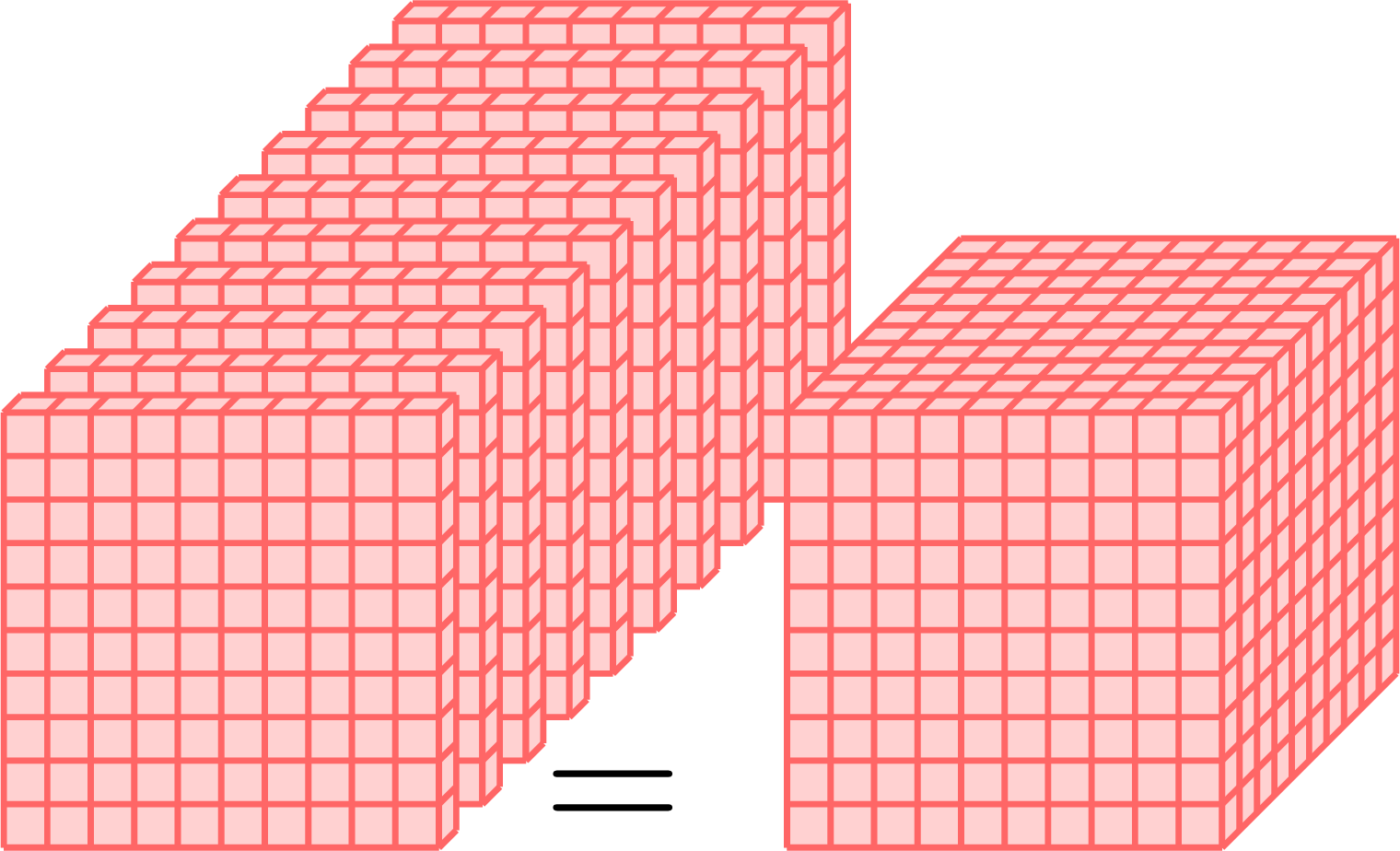
- Numbers to 10 000 — Learn to understand four-digit numbers through place value. This module covers grouping by thousands, identifying digits, and using visual models like base-10 blocks and tables. It includes exercises on counting, standard and expanded forms, and number words.
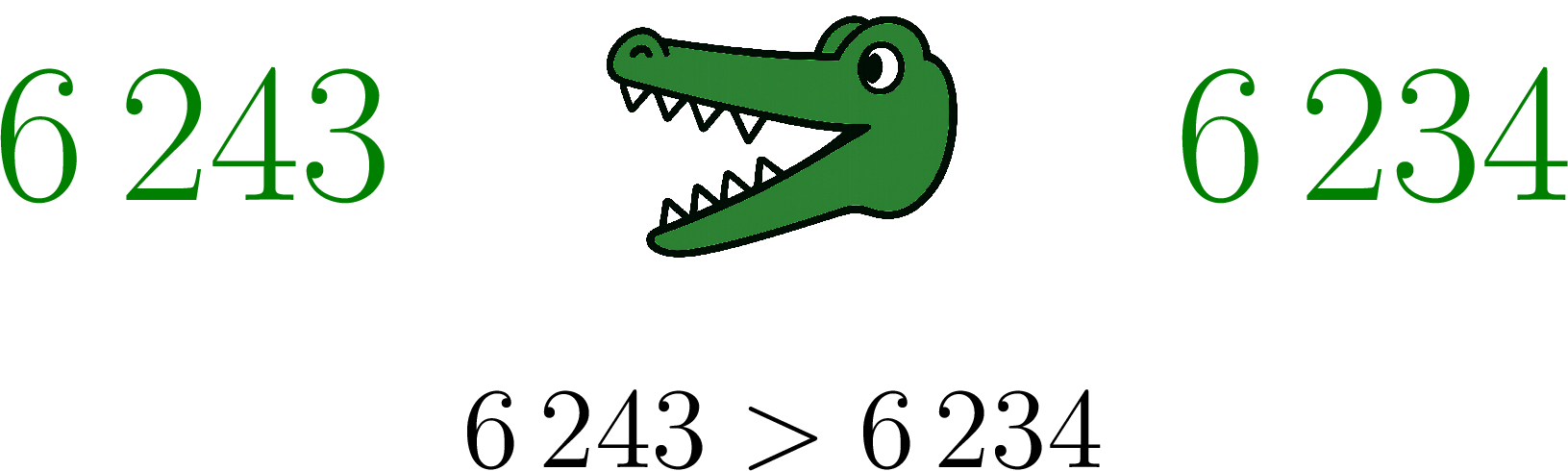
- Comparing, Ordering and Rounding — Learn to compare, order, bound and insert 4-digit numbers up to 10 000 using place value: count the digits, then compare place by place from the left. This module covers the comparison symbols and words (<, >, =, between), ordering up to five numbers both ways, bounding between consecutive thousands, hundreds, tens or neighbours, and inserting numbers.
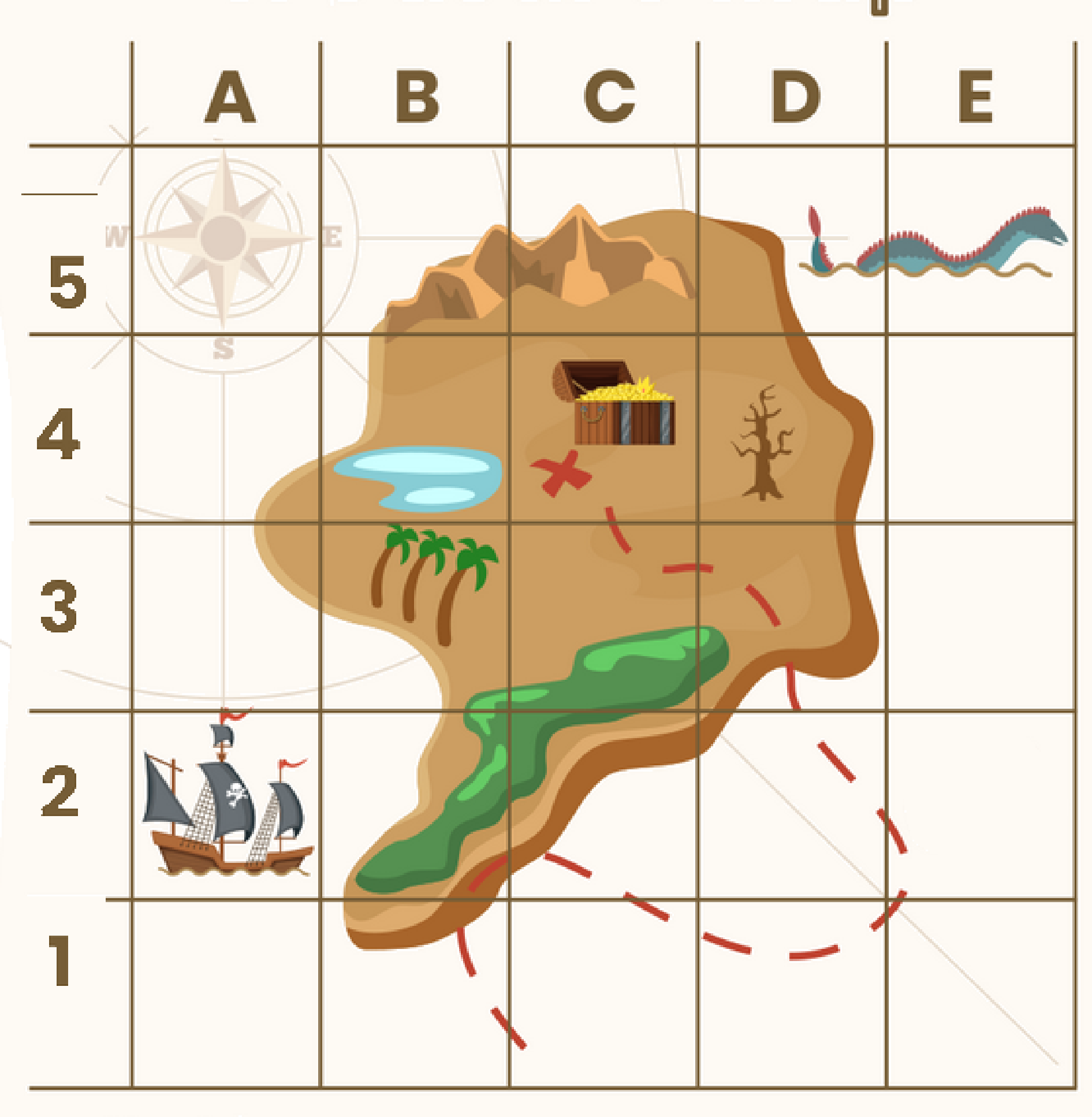
- Grids, Maps and Compass Directions — Learn the basics of spatial orientation and coordinate systems. This module covers alphanumeric grid references (e.g., C2), map reading from a top-down perspective, and directional movements like forward, backward, and turning. Ideal for building foundational spatial reasoning skills.
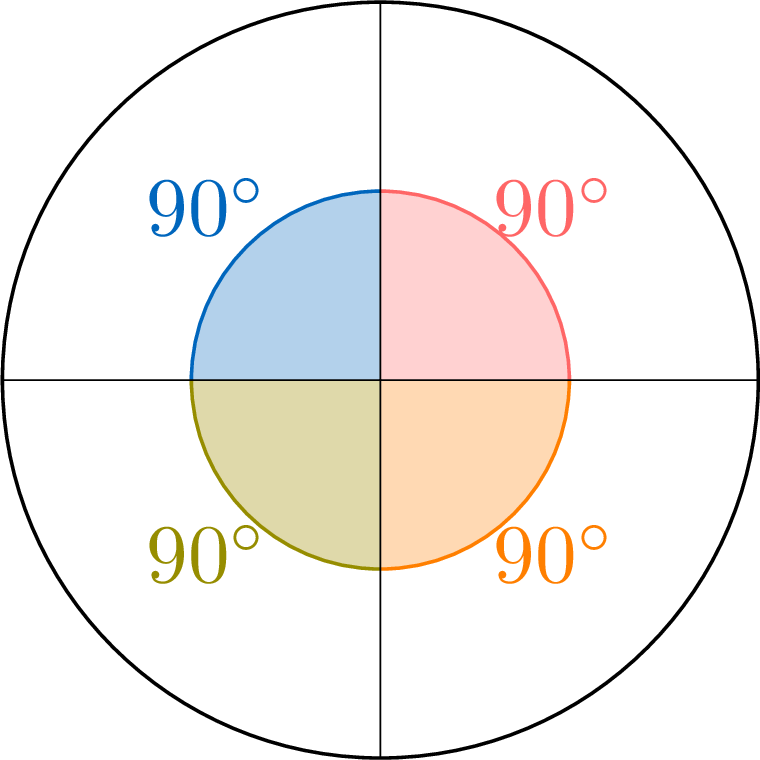
- Turns and Angles — The right angle at CE1: the angle as an opening, the right angle recognised with a template then a set square, its code (the small square), and angles compared to it — acute and obtuse.
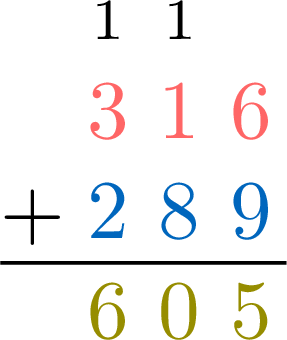
- Addition — Master addition within 1000 using column methods and part-whole models. This module covers sums, place value, and regrouping (carrying) with visual guides. Solve real-world word problems and master multi-digit calculations with up to two carryovers.
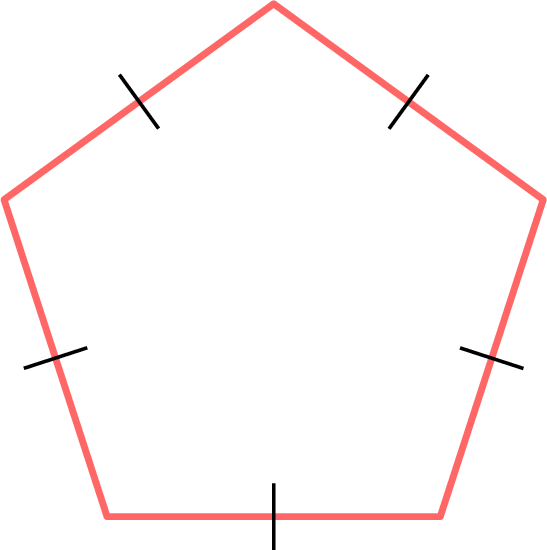
- 2D Shapes and Polygons — Learn to identify and classify 2D shapes and polygons. This module covers sides, vertices, and naming conventions for triangles, quadrilaterals, pentagons, and hexagons. It includes practical techniques for drawing regular polygons and reproducing composite shapes on graph paper grids.
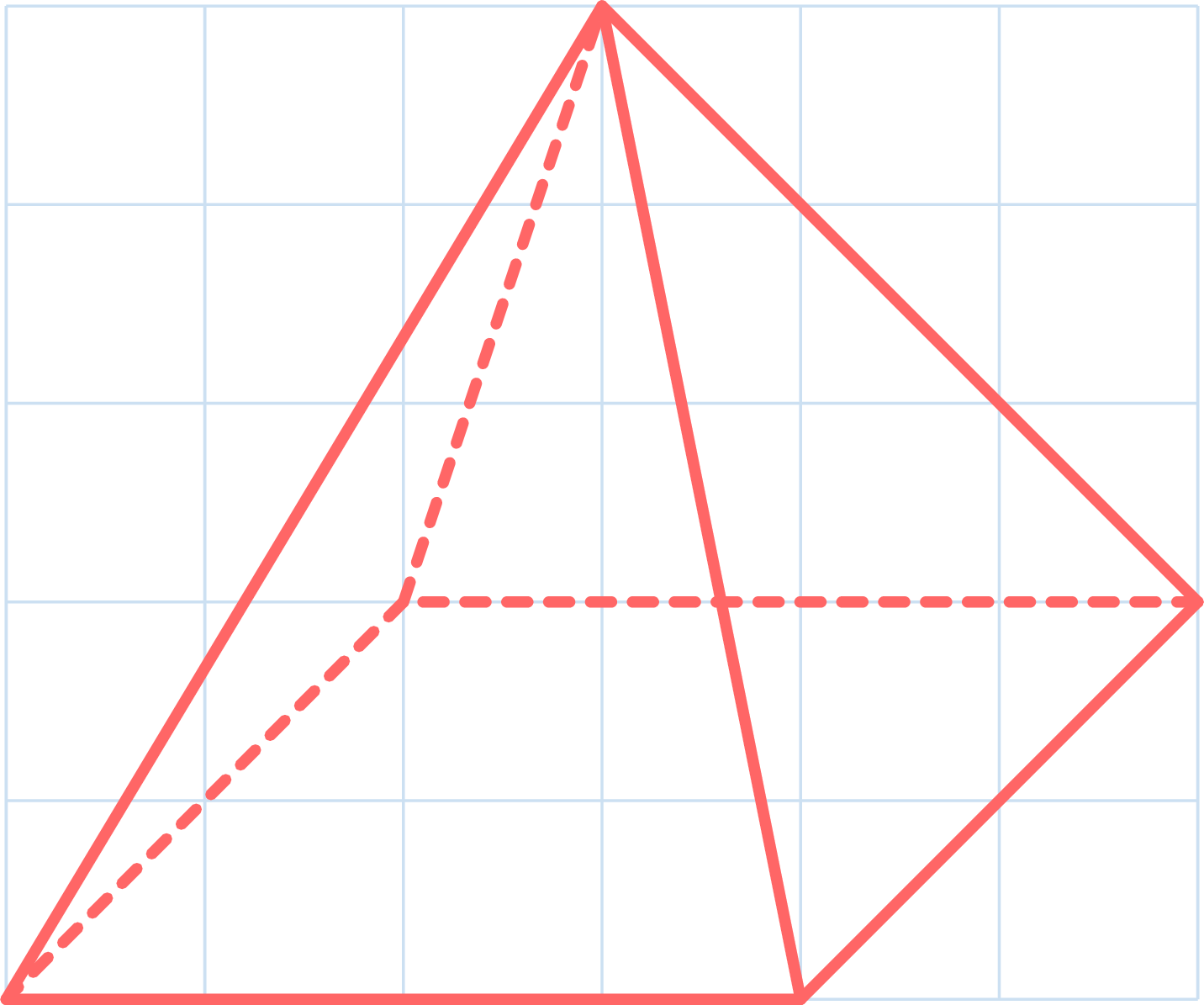
- 3D Shapes — Introduction to 3D geometry: identifying cubes, spheres, cylinders, and pyramids. Learn the properties of faces, edges, and vertices. Master drawing solid shapes using dashed lines for hidden edges. Includes exercises on classifying shapes and counting geometric components.
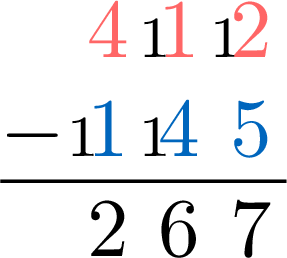
- Subtraction — Master subtraction within 1000 using visual models, column methods, and the compensation strategy. This module covers basic definitions, regrouping, and step-by-step techniques to solve multi-digit calculations and real-world word problems effectively.
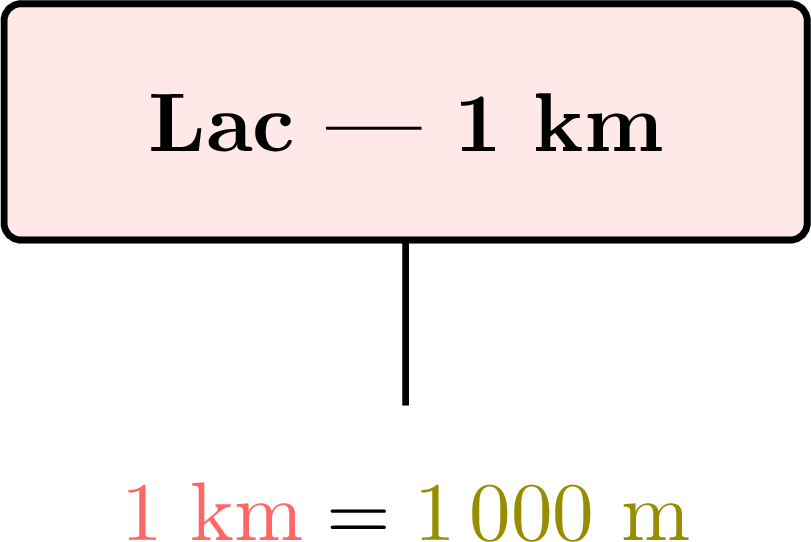
- Length — Compare, measure and name lengths in centimeters and meters, then discover the kilometer, the unit for long distances: one kilometer is one thousand meters, about a quarter of an hour of walking. A class outing to the lake carries the whole story.
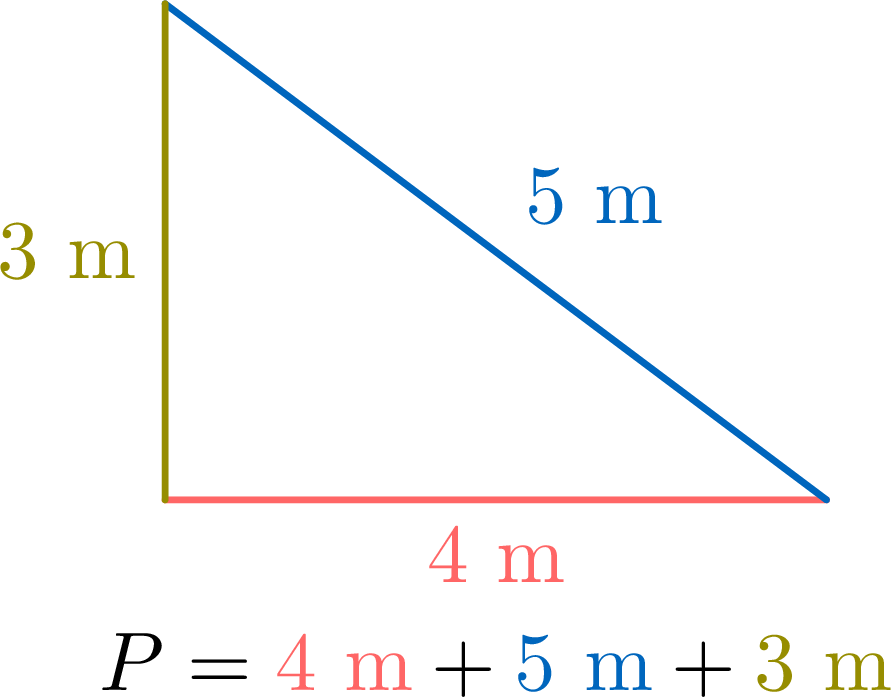
- Perimeter and Area — Learn to calculate the perimeter of various shapes. This module defines perimeter as the distance around an edge. Practice adding side lengths on grids and building mathematical expressions for squares, rectangles, and triangles through interactive exercises.
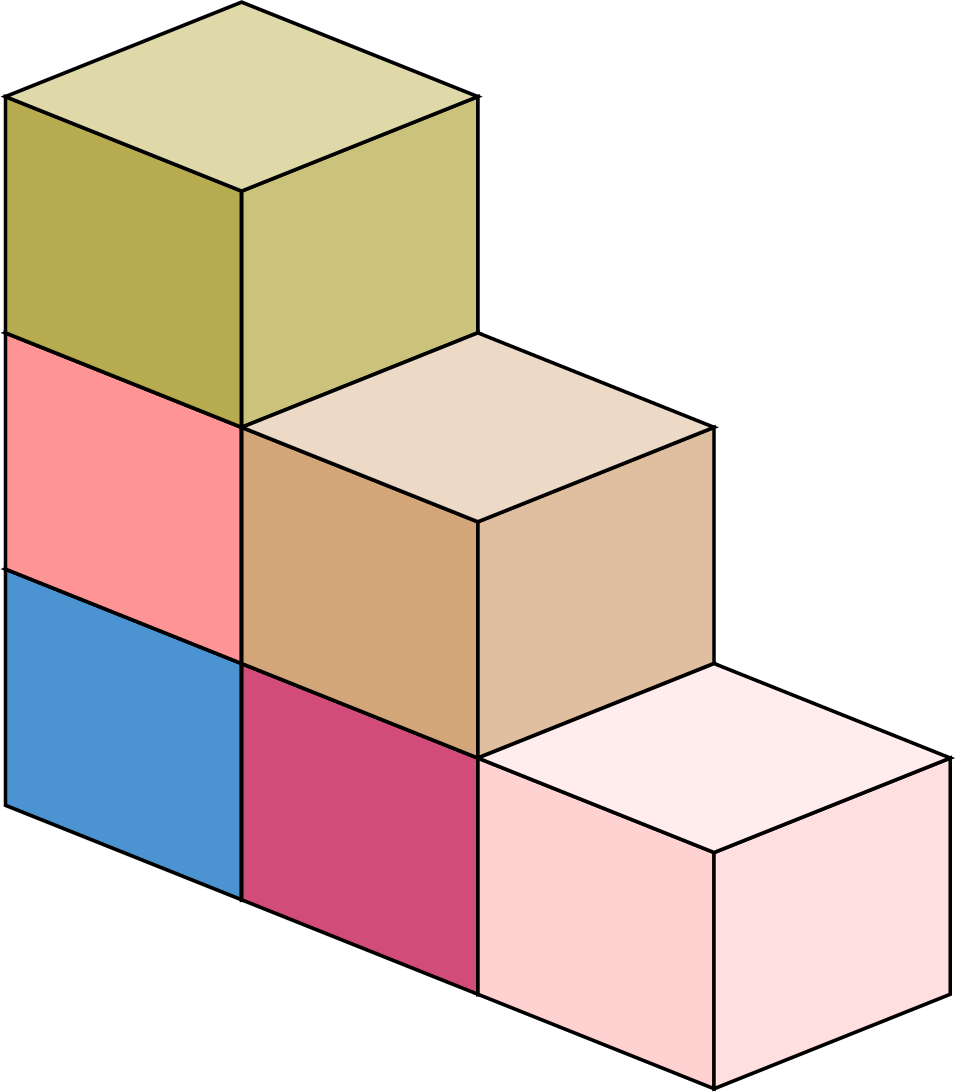
- Capacity and Volume — Learn the concept of volume by measuring the space objects occupy. This module teaches how to find volume by counting cubic units, using block-based solids and rectangular cuboids. Practice counting strategies like layer-by-layer analysis to determine total space occupied.
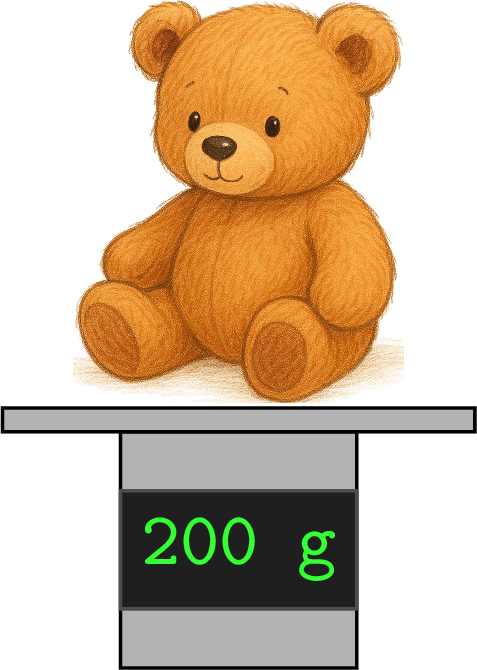
- Mass — Introduction to weight for primary students. Learn to compare objects using balance scales, identify grams and kilograms, and perform unit conversions. Features practical exercises on scale reading, price calculation, and basic mass-related problem-solving.
- Times Tables to 10 × 10 — Master times tables from 1 to 10 using skip-counting, the distributive property (break-apart strategy), and the multiplication grid. This module features visual aids and word problems to build speed, accuracy, and a deep pedagogical understanding of multiplication fluency.
- Multiplication Strategies — Master multiplication as repeated addition using visual models like cubes and number lines. Learn the commutative and distributive properties to solve complex calculations by breaking them apart. Includes practical word problems to develop real-world numeracy skills.
- Written Multiplication — Master long multiplication by breaking numbers into tens and ones. This module covers multiplying by multiples of 10, the 'add a zero' rule, and step-by-step column multiplication using partial products to solve multi-digit problems with ease.
- Data Handling — Introduction to data collection and visualization. Covers tally marks, pictographs, and bar charts. Learn to ask questions, organize answers, and identify trends like most and least popular categories through engaging class surveys.
- Division — An introduction to division as equal sharing and grouping. Covers visual models, part-whole diagrams, and the inverse relationship with multiplication. Students learn to solve real-world word problems by finding group sizes or the total number of groups.
- Fractions — A foundational guide to fractions using visual models and number lines. Learn to identify numerators, denominators, and equal parts. Covers shading shapes, solving real-world word problems, and accurately placing fractional points on a number line from 0 to 1.
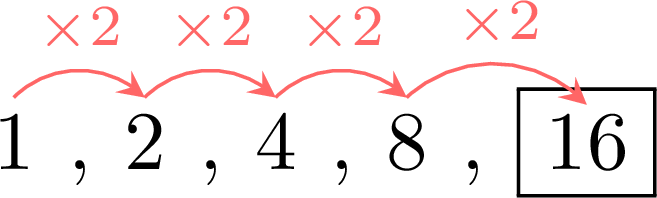
- Number Patterns — Discover the logic of numerical sequences. This module covers arithmetic sequences (adding/subtracting a common difference) and geometric sequences (multiplying/dividing by a common ratio). Learn to identify patterns, calculate missing terms, and find the first term of a series.
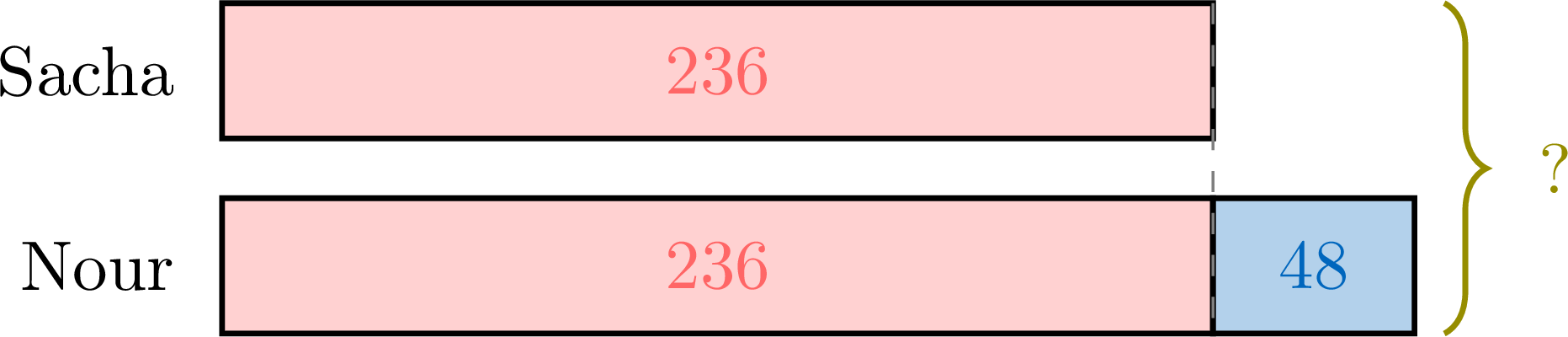
- Number sentences and word problems — Solve word problems at CE2 level with the four steps and bar models: one-step problems up to 10 000 (part-whole and comparison), two-step comparison problems asking for the whole, multiplicative problems with equal groups, and checking whether an answer is possible.
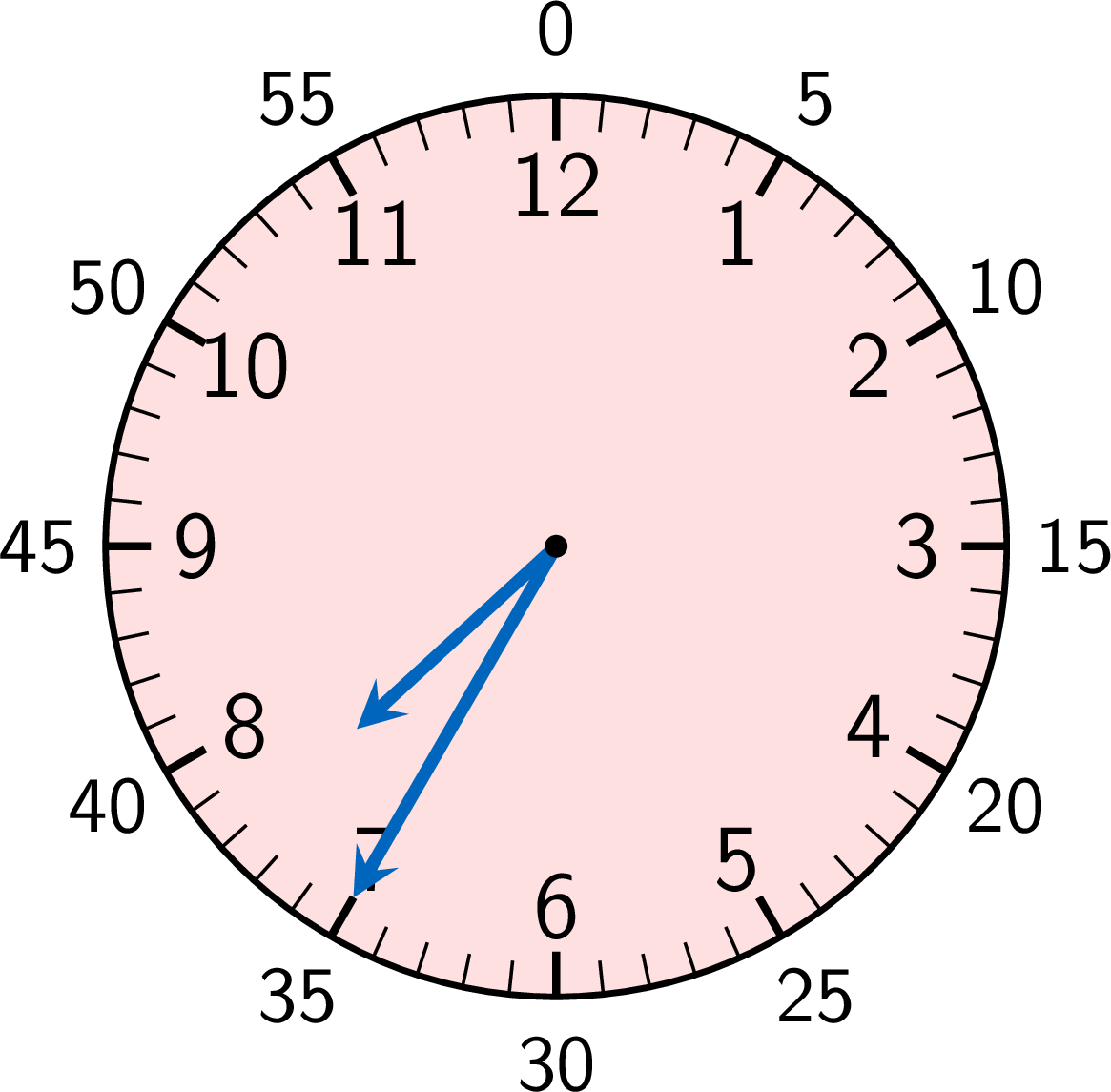
- Time — This module covers units of time and their conversions, fractions of time, and the 24-hour clock. Students learn to choose appropriate units, convert between minutes, hours, and days, and read analog clocks to the nearest 5 minutes with AM/PM and 24-hour formats.
- Money — Learn about currency using Dollars and Euros. This module covers identifying bills and coins, the conversion between dollars and cents (100c = $1), and practical arithmetic. Students practice adding totals, comparing budgets to prices, and calculating change for various items.
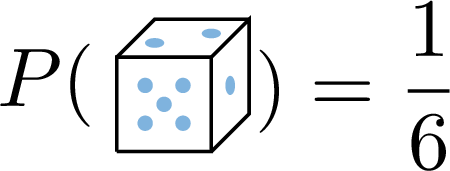
- Chance — An engaging introduction to probability using words and numbers. Covers outcomes, events, and the probability line from 0 to 1. Students practice through coin tosses, dice rolls, and spinners, learning to quantify chances and make decisions based on likelihood.
- Symmetry and Transformations — Learn the principles of axial symmetry through mirror images and axes of symmetry. This module covers identifying vertical, horizontal, and diagonal axes, symmetry verification for real-world shapes, and step-by-step techniques for drawing mirror figures on graph paper.