PYP 2 mathematics
22 chapters, in the order of the programme: lessons, videos and worked exercises, free to start.
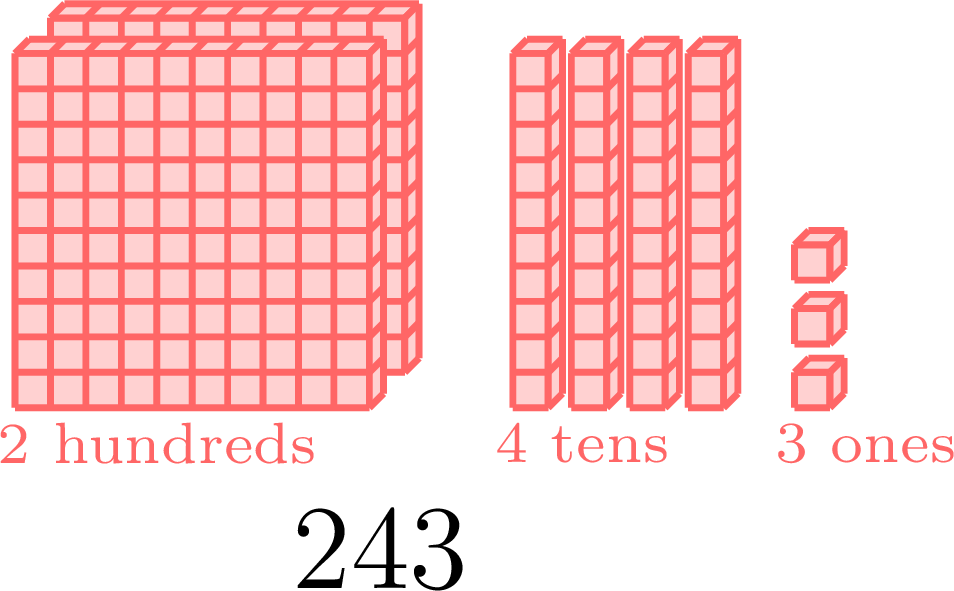
Numbers to 1000
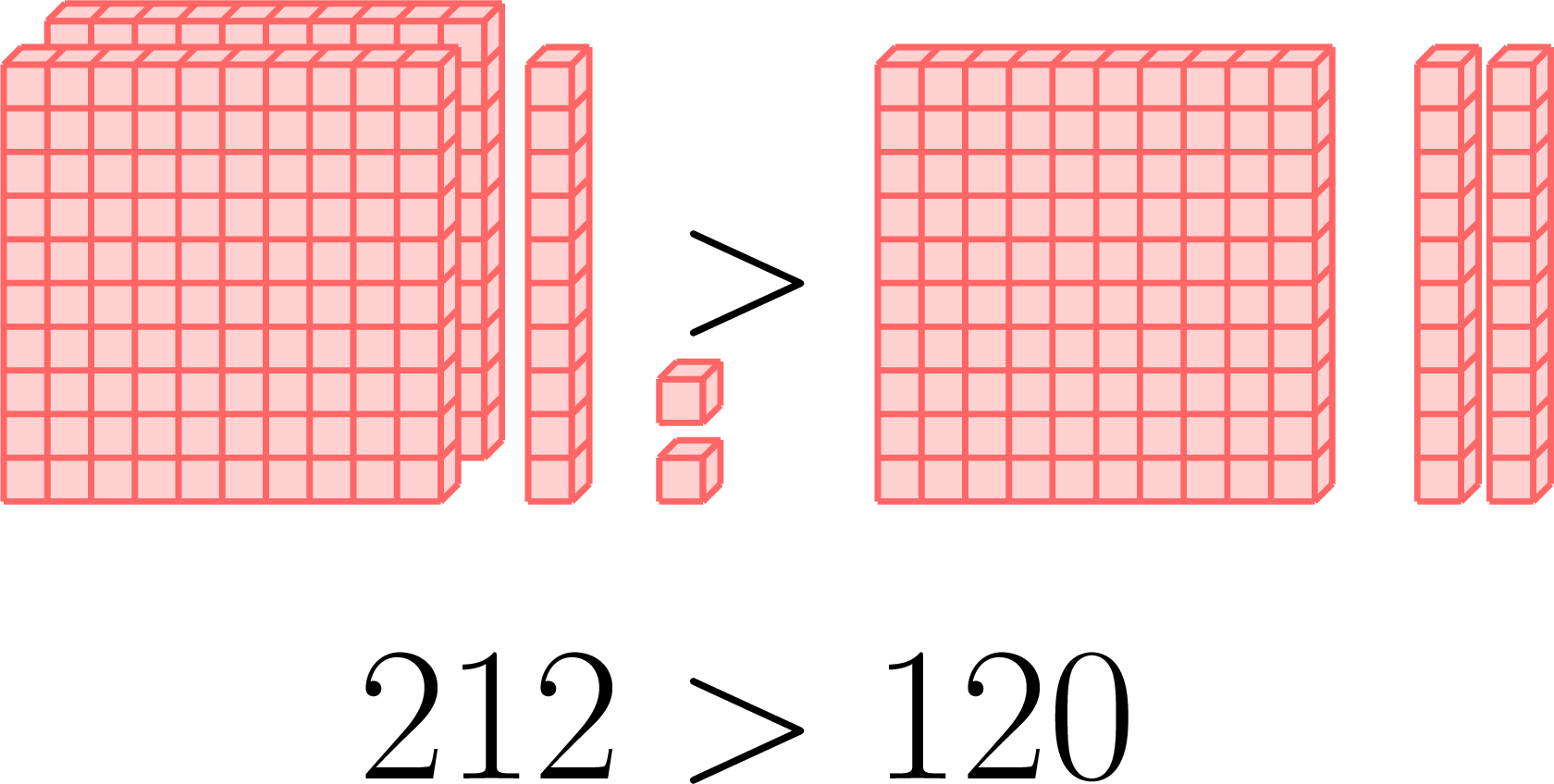
Comparing and Ordering Numbers to 1000
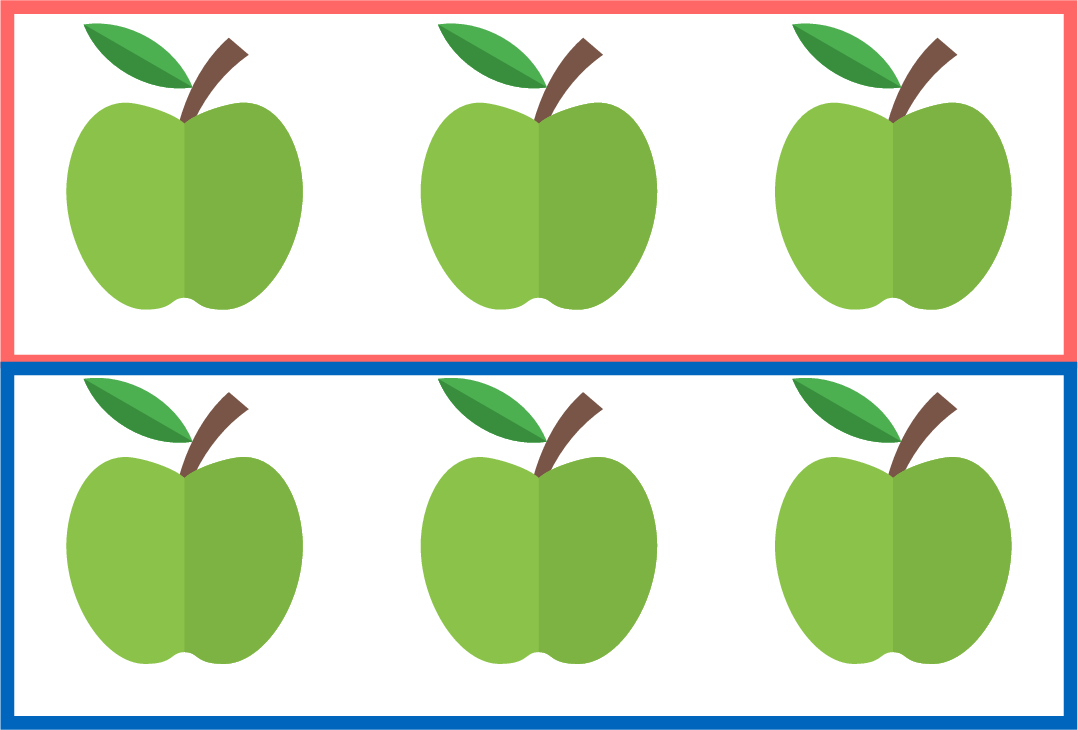
Odd and Even Numbers
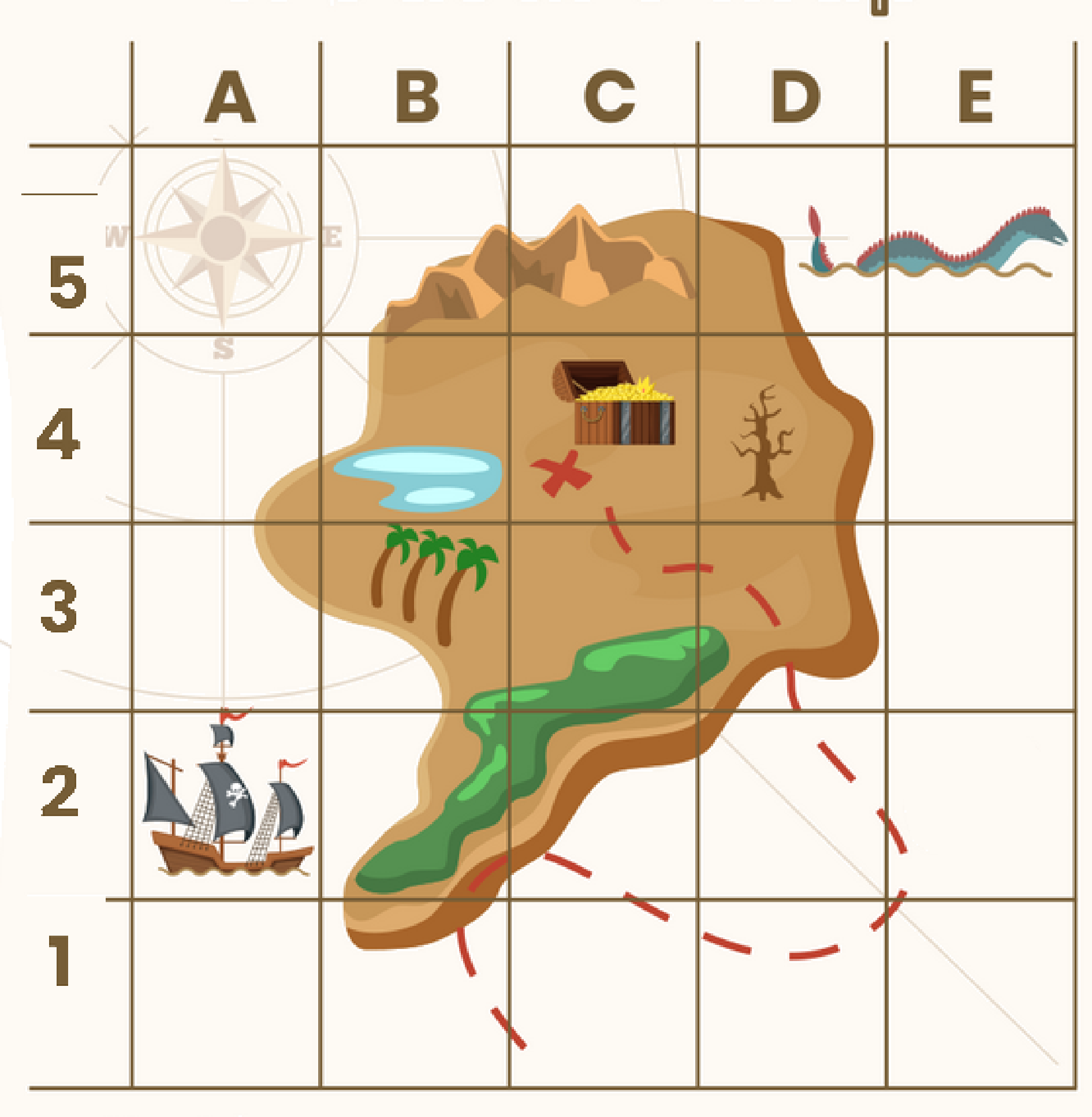
Maps, Grids and Directions
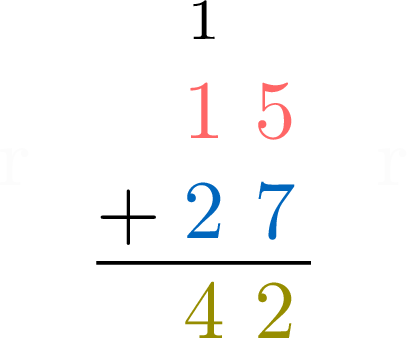
Addition to 100 and beyond
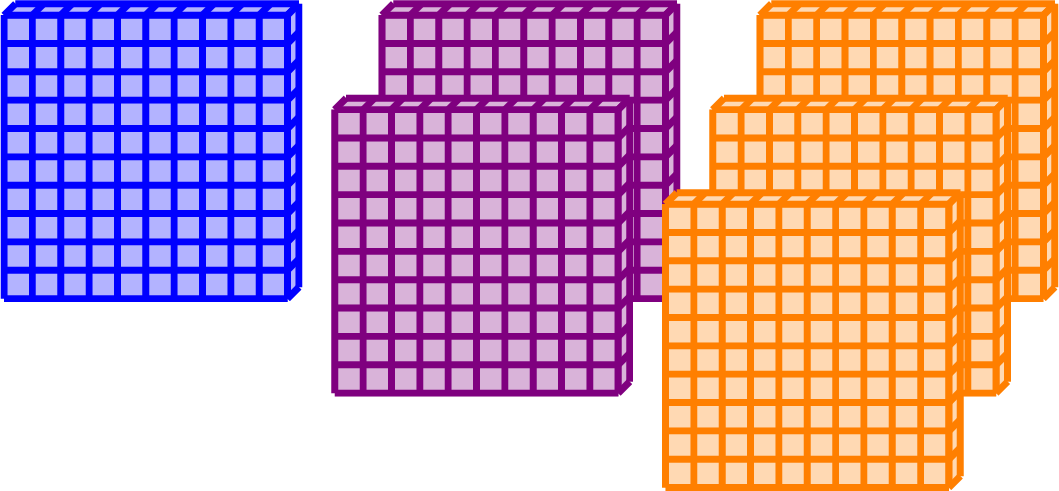
Patterns and Sequences
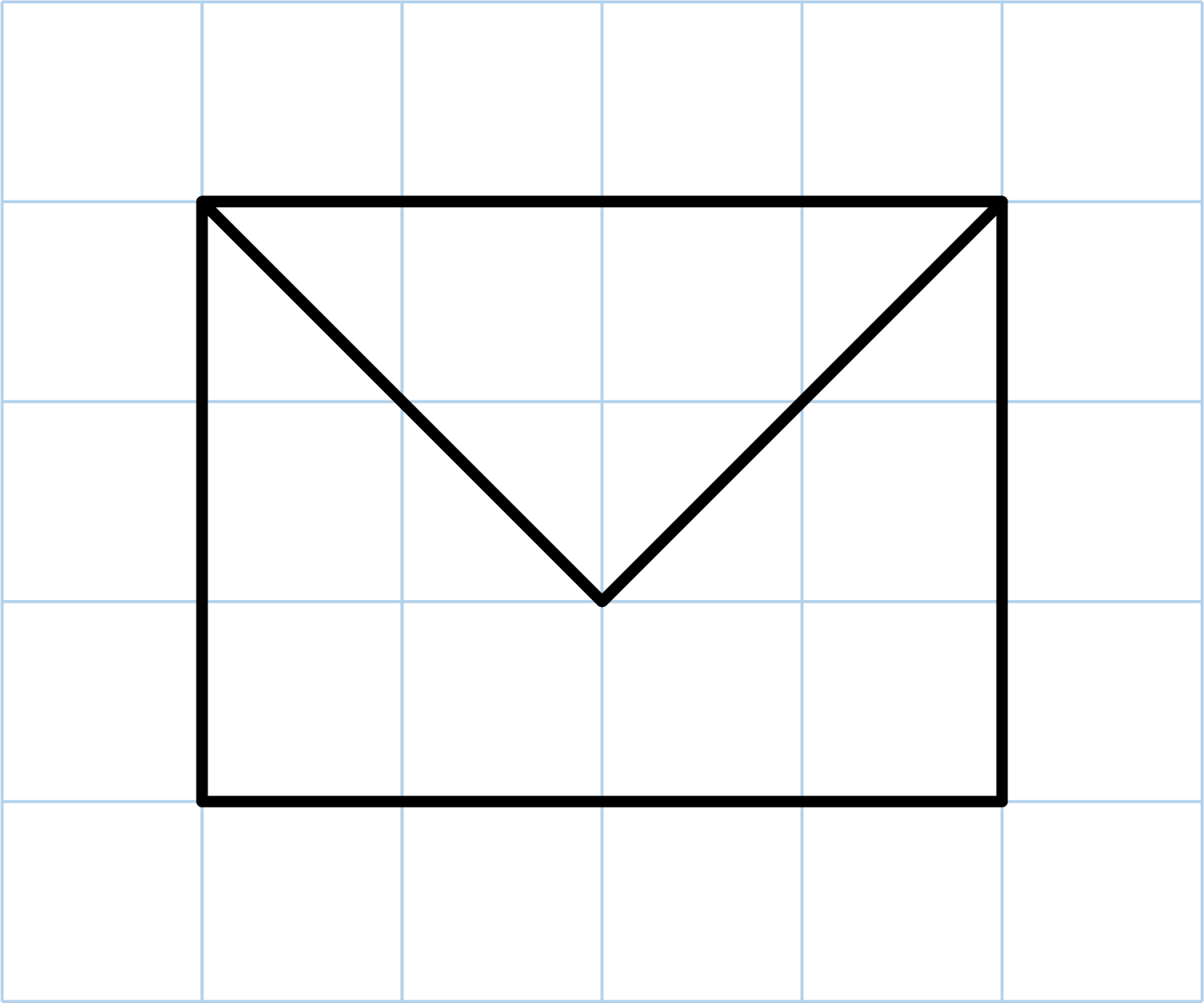
2D Shapes
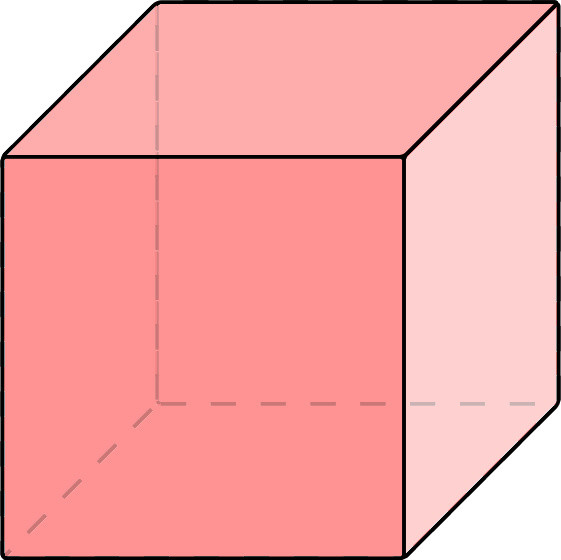
3D Shapes
Symmetry, Slides, Flips and Turns
Subtraction to 100 and beyond

Length
Mass and Capacity

Multiplication
Times Tables 2, 5 and 10
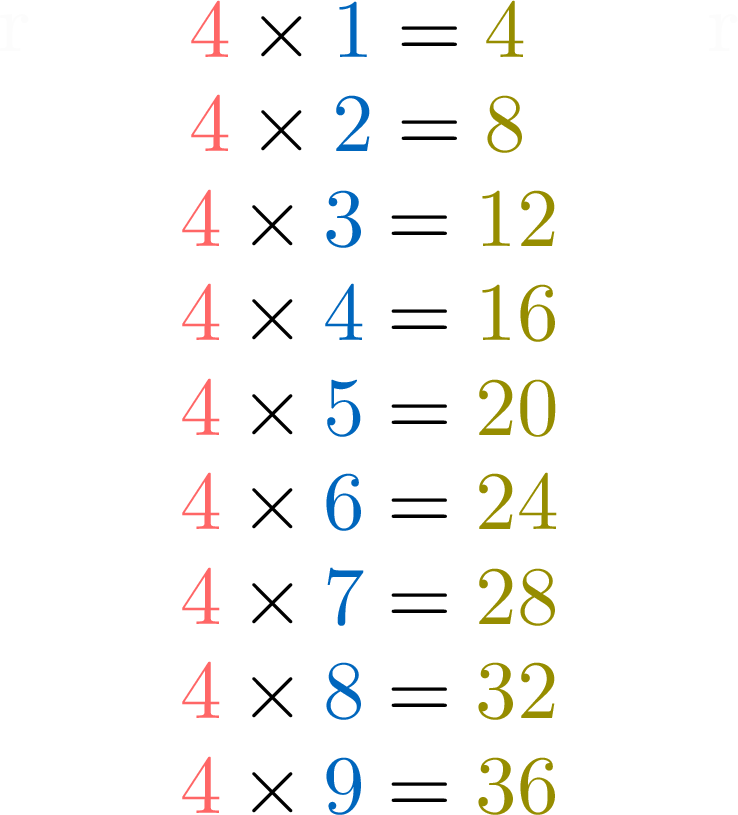
Times Tables 3 and 4
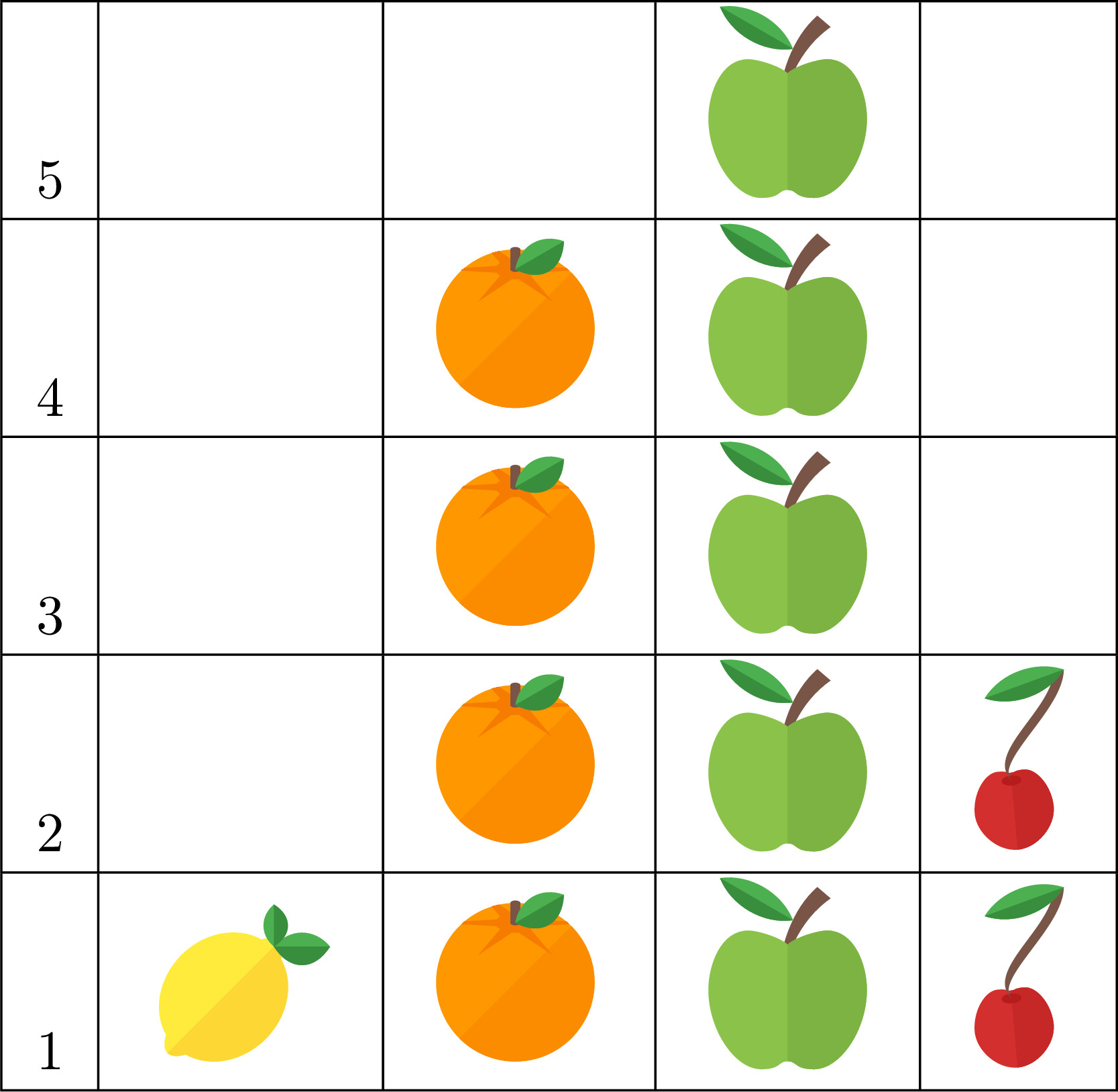
Data Handling

Division
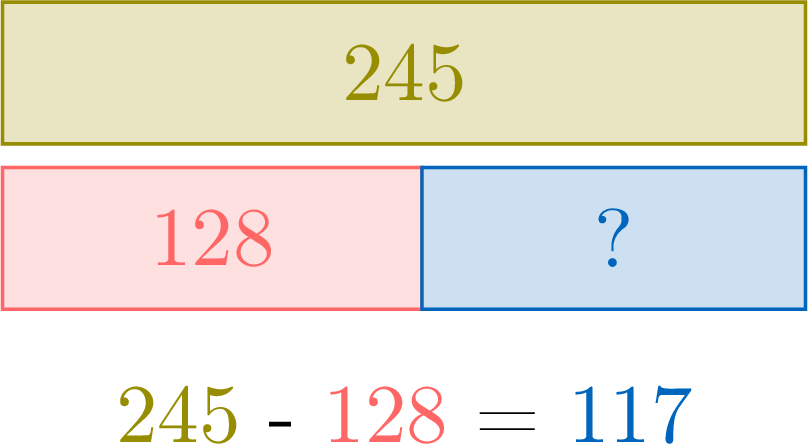
Word problems

Fractions
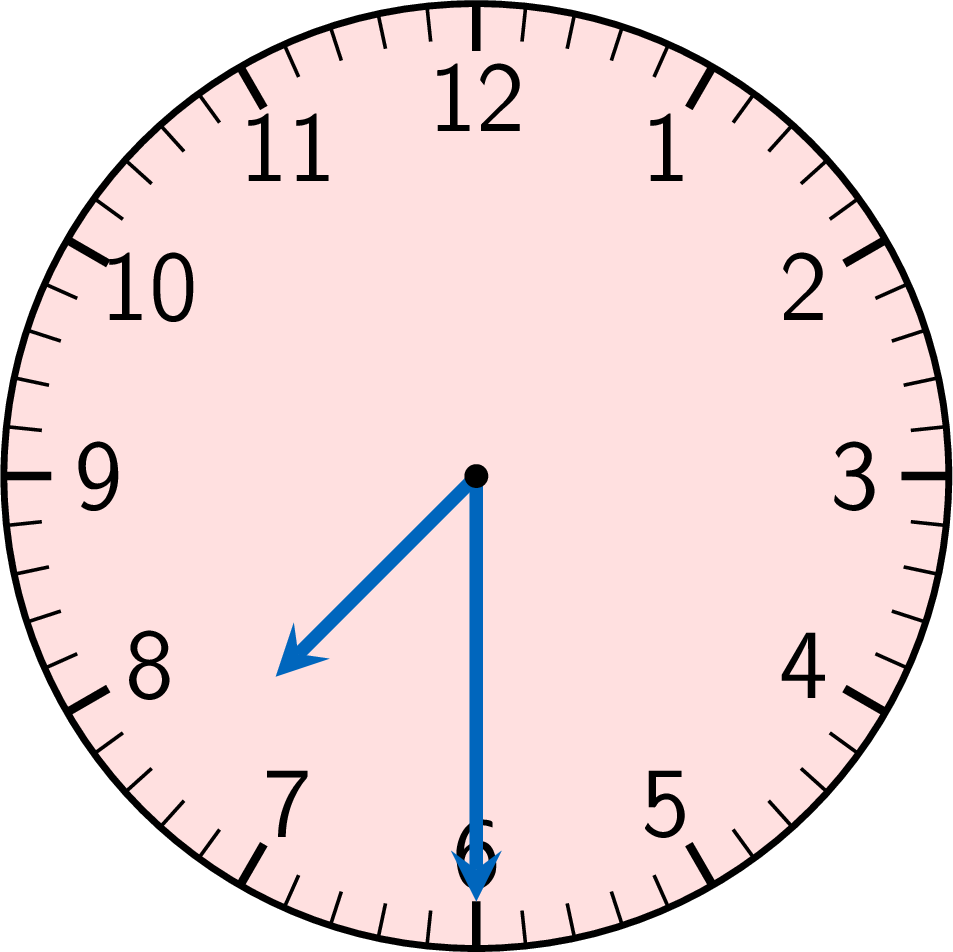
Time

Money
Chance
The programme
- Numbers to 1000 — A complete module on 3-digit numbers and place value. Teaches building numbers using hundreds, tens, and ones with base-10 blocks. Includes exercises on standard and expanded forms, identifying digits, regrouping values (e.g., 10 tens = 1 hundred), and finding numbers on a number line.
- Comparing and Ordering Numbers to 1000 — Learn to compare and order 3-digit numbers using place value logic (Hundreds, Tens, Ones). This module introduces symbols (<, >, =) through visual aids like base-10 blocks and real-world scenarios to master number relationships up to 999.
- Odd and Even Numbers — Learn to identify even and odd numbers through the concept of pairing and sharing equally. This module uses visual aids like marbles, fruits, and shapes to demonstrate that even numbers can be split into two equal groups, while odd numbers always have one left over.
- Maps, Grids and Directions — Introduction to coordinate geometry through spatial directions and movements. Learn to navigate grids using alphanumeric references (e.g., C2) and relative positions like above, below, left, and right. Includes interactive map reading and car movement exercises.
- Addition to 100 and beyond — Learn to add numbers up to 100 with a focus on regrouping and column addition. This module breaks down addition into steps: adding ones, then adding tens, and introduces carrying when the sum exceeds 9. It includes visual aids like cubes and part-whole models.
- Patterns and Sequences — An introduction to sequences and patterns. Learn to identify repeating periodic cycles (shapes, colors, seasons) and numerical sequences following simple arithmetic rules like adding or subtracting constants. Ideal for developing foundational pattern recognition skills.
- 2D Shapes — Learn the fundamentals of 2D shapes, including circles, triangles, squares, and rectangles. This module covers side and vertex identification, shape classification, and practical methods for reproducing geometric figures and composite shapes on graph paper grids.
- 3D Shapes — Explore the world of 3D shapes. This module covers solid geometry basics, defining faces, edges, and vertices. Learn to classify cubes, cylinders, spheres, and pyramids by counting their geometric properties and distinguishing between flat 2D and solid 3D figures.
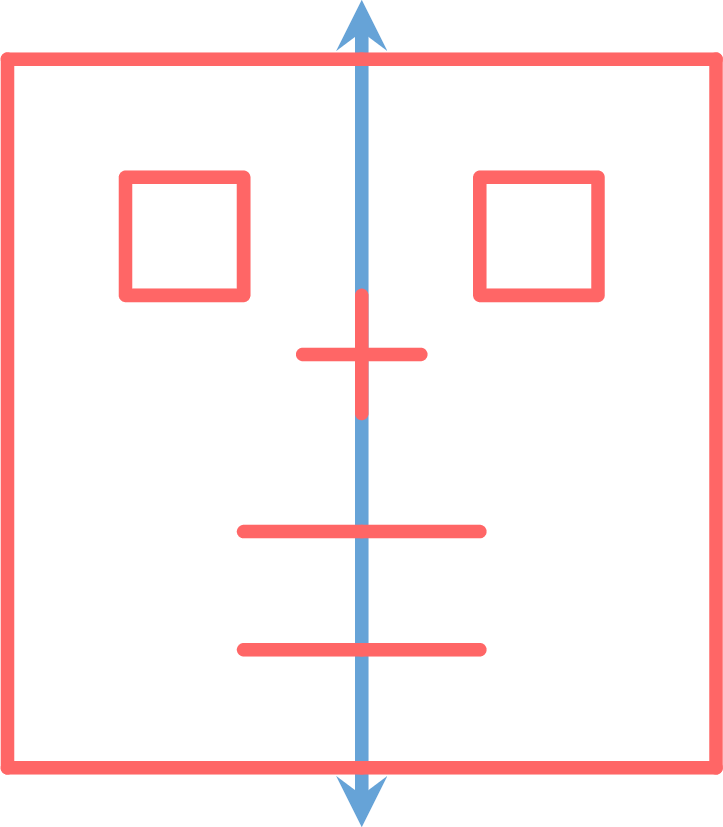
- Symmetry, Slides, Flips and Turns — Explore axial symmetry by identifying and drawing mirror images on graph paper. Learn how to locate the axis of symmetry (vertical or horizontal) and use the step-by-step method of counting squares to plot mirror vertices and complete geometric figures.
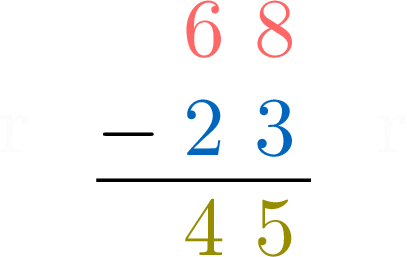
- Subtraction to 100 and beyond — Learn subtraction within 100 using strategies like counting back, regrouping (borrowing), and column subtraction. This module includes visual aids like cubes, part-whole models, and the number line to build conceptual understanding and procedural fluency.
- Length — Master length measurement by comparing heights and using units. Learn non-standard measuring with blocks and erasers before moving to standard units: centimeters (cm) and meters (m). Understand the 1m = 100cm rule and practice choosing the right unit for real-world objects.
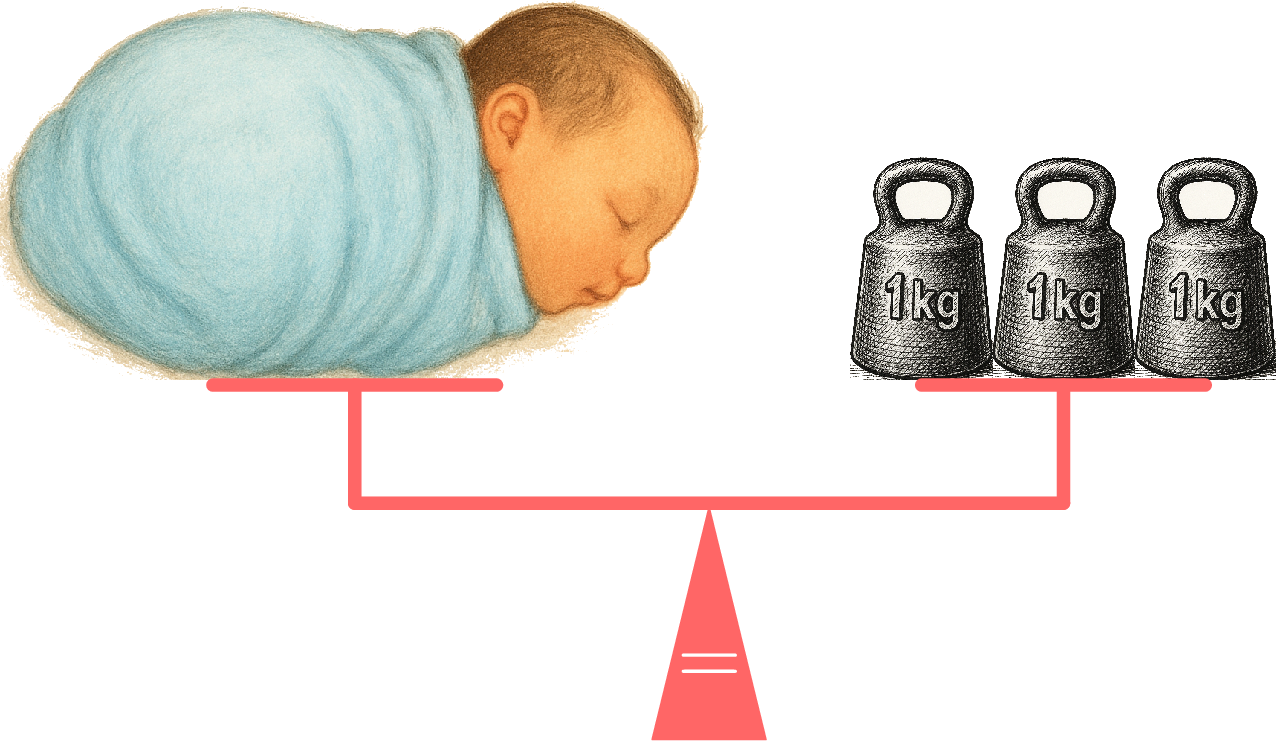
- Mass and Capacity — Introduction to weight and measurement. Learn to compare objects using heavier and lighter concepts and use a balance scale. Understand standard units like grams (g) and kilograms (kg). Includes practical scale reading and unit selection exercises.
- Multiplication — Learn multiplication as repeated addition. This module uses visual aids like arrays of cubes, groups of fruits, and the number line to explain the concept. It also introduces the commutative property (e.g., 2×5 = 5×2) and how to apply multiplication in word problems.
- Times Tables 2, 5 and 10 — Learn the multiplication times tables for 2, 3, 4, 5, and 10 using visual aids like number lines, groups of objects, and cubes. This module helps students master multiplication facts and understand the concept of repeated addition.
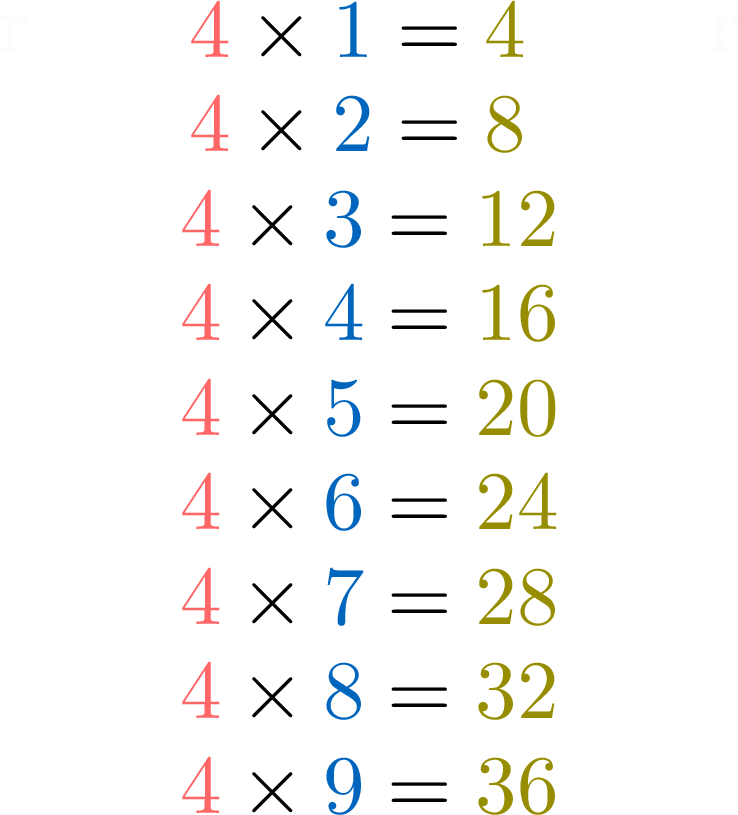
- Times Tables 3 and 4 — Learn the multiplication times tables for 2, 3, 4, 5, and 10 using visual aids like number lines, groups of objects, and cubes. This module helps students master multiplication facts and understand the concept of repeated addition.
- Data Handling — Introduction to statistics for beginners. Learn to collect data using tally marks and represent findings with picture graphs (pictographs). Practice interpreting charts to find totals and identify the most or least popular items in categories like pets, fruits, and colors.
- Division — A comprehensive module on division through equal sharing. Teaches finding the number of items per group and the number of groups using visual aids like apples, marbles, and part-whole models. Includes exercises for identifying the correct operation in word problems.
- Word problems — Solve word problems up to 1000 with bar models: part-whole problems with three unknowns, comparison problems with two separate bars, two-step problems, and mixed problems combining a multiplication with an addition or a subtraction.
- Fractions — Learn the basics of fractions! This module covers defining numerators and denominators, identifying equal parts, and interpreting fractions through visual diagrams and word problems. Perfect for building a strong foundational understanding of parts and wholes.
- Time — An introduction to time: the 24-hour cycle, days of the week, and the 12 months. Covers month lengths (the knuckle trick), calendar usage, and telling time to the hour and half-hour on analog clocks through practical visual exercises.
- Money — Explore the basics of money with a focus on dollars, euros, and cents. Students learn to identify currency, add totals, check if they have enough money for purchases, and calculate change. Includes practical arithmetic using bills and coins in real-world scenarios.
- Chance — Learn to estimate the likelihood of events using a probability scale from impossible to certain. Students explore concepts like 'even chance' and 'unlikely' through engaging examples with coins, dice, and everyday scenarios. Perfect for developing early predictive reasoning skills.