PYP 1 mathematics
17 chapters, in the order of the programme: lessons, videos and worked exercises, free to start.
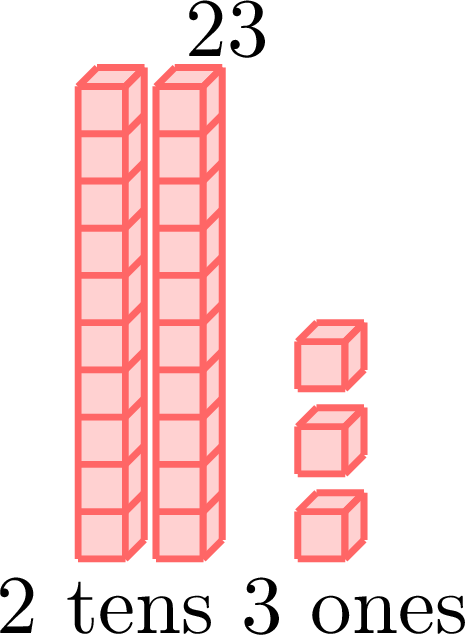
Numbers to 100
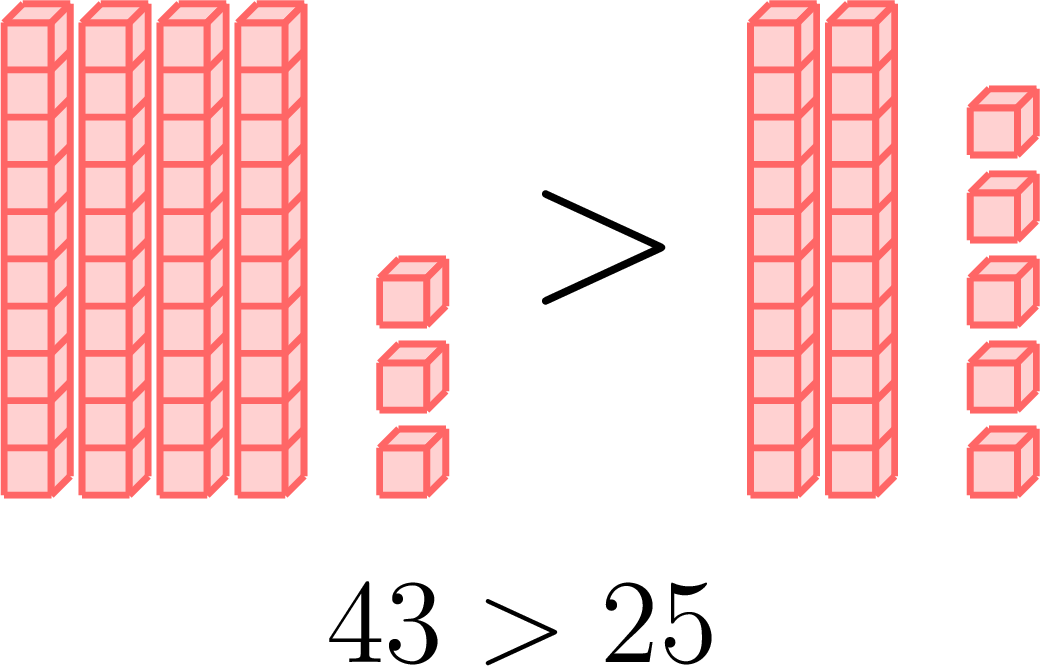
Comparing and Ordering Numbers
Ordinal Numbers and Patterns
Position and Direction
Number Bonds to 10 and Doubles

Addition Within 20
2D and 3D Shapes

Subtraction Within 20
Adding and Subtracting to 100
Measuring Length, Mass and Capacity
Multiplication: Equal Groups
Data Handling
Division: Equal Sharing
Halves and Quarters
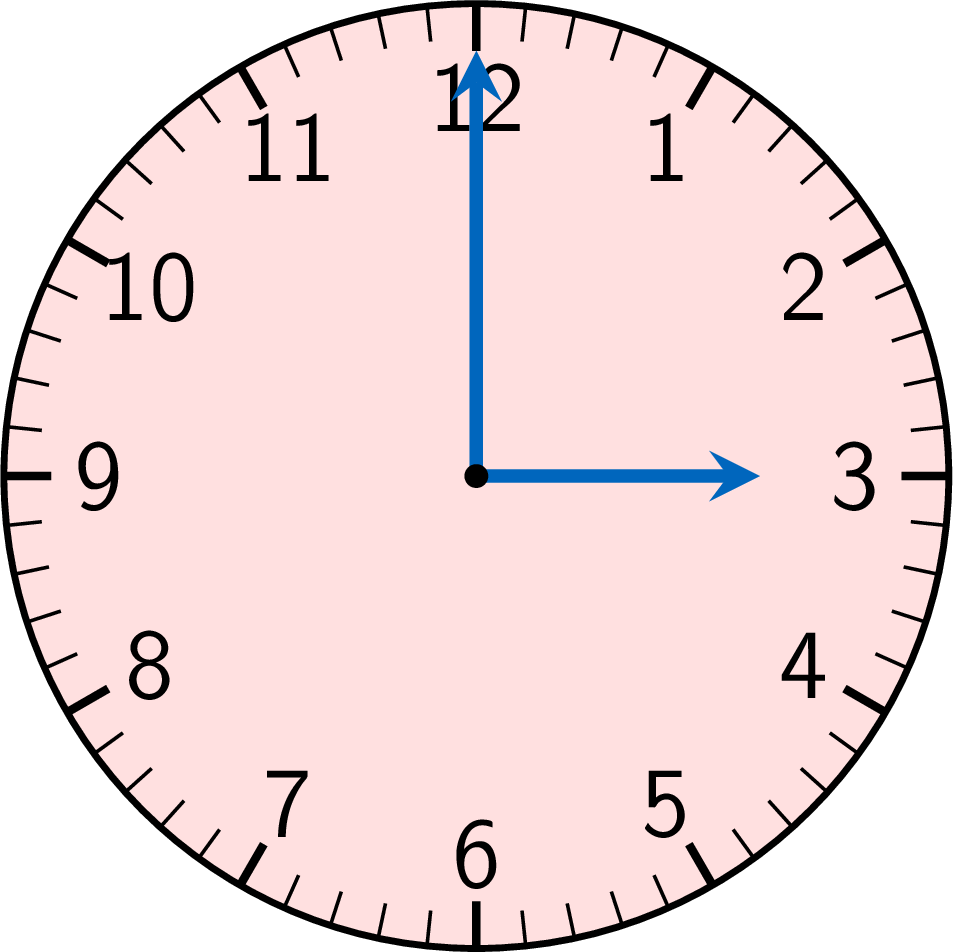
Time

Money
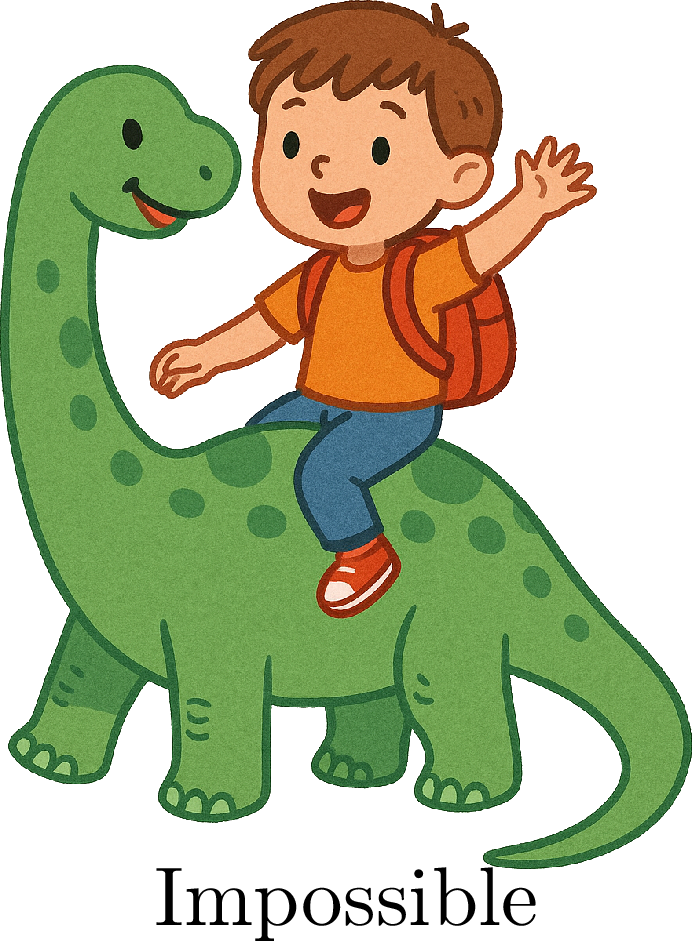
Chance
The programme
- Numbers to 100 — Learn to understand two-digit numbers through place value. This module covers grouping by tens, identifying digits, and using visual models like base-10 blocks and ten-frames. It includes exercises on counting by tens, number words, and decomposing numbers on the number line.
- Comparing and Ordering Numbers — Learn to compare and order two-digit numbers using symbols (<, >, =). The module teaches a step-by-step method: comparing the tens digit first, then the ones. Includes visual exercises with cubes and ten-frames, plus real-world problems to master greater than, less than, and equal relationships.
- Ordinal Numbers and Patterns — Explore periodic and numerical sequences through patterns and rules. This module covers repeating cycles of shapes or colors and lists of numbers following arithmetic logic. A foundational step for pattern recognition and predicting the next term in a series.
- Position and Direction — Introduction to spatial positioning for young learners. Covers vocabulary (on, in, under), directions (left, right, above, below), and movements (forward, backward, turning). Features grid exercises and scene analysis to build foundational coordinate geometry skills.
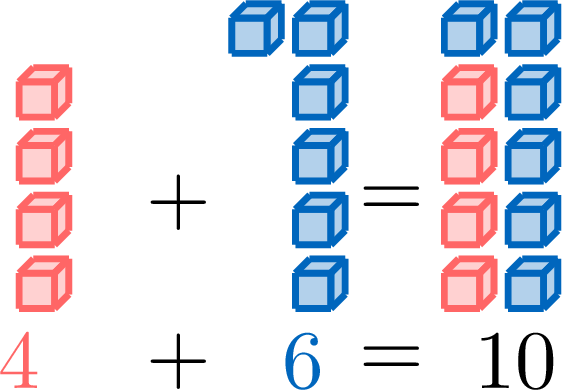
- Number Bonds to 10 and Doubles — Master the 10's complement with visual aids like ten-frames, cubes, and fingers. This module focuses on identifying number pairs that sum to 10 (e.g., 7+3, 4+6), a crucial foundational skill for mental math and understanding the base-10 system.
- Addition Within 20 — Master addition within 20 using strategies like "Counting On," the Number Line, and "Making a Ten." This module employs visual aids such as cubes, fingers, and ten-frames to help students understand sums and navigate crossing the ten boundary.
- 2D and 3D Shapes — An introduction to plane geometry focusing on flat shapes like circles, triangles, squares, and rectangles. Learn to identify and classify shapes by counting their sides and vertices. Includes practical exercises for recognizing geometric properties in simple drawings.
- Subtraction Within 20 — Master subtraction within 20 using strategies like "Counting Back," the Number Line, and "Making a Ten." This module employs visual aids such as cubes, fingers, and part-whole models to help students understand the difference and navigate crossing the ten boundary.
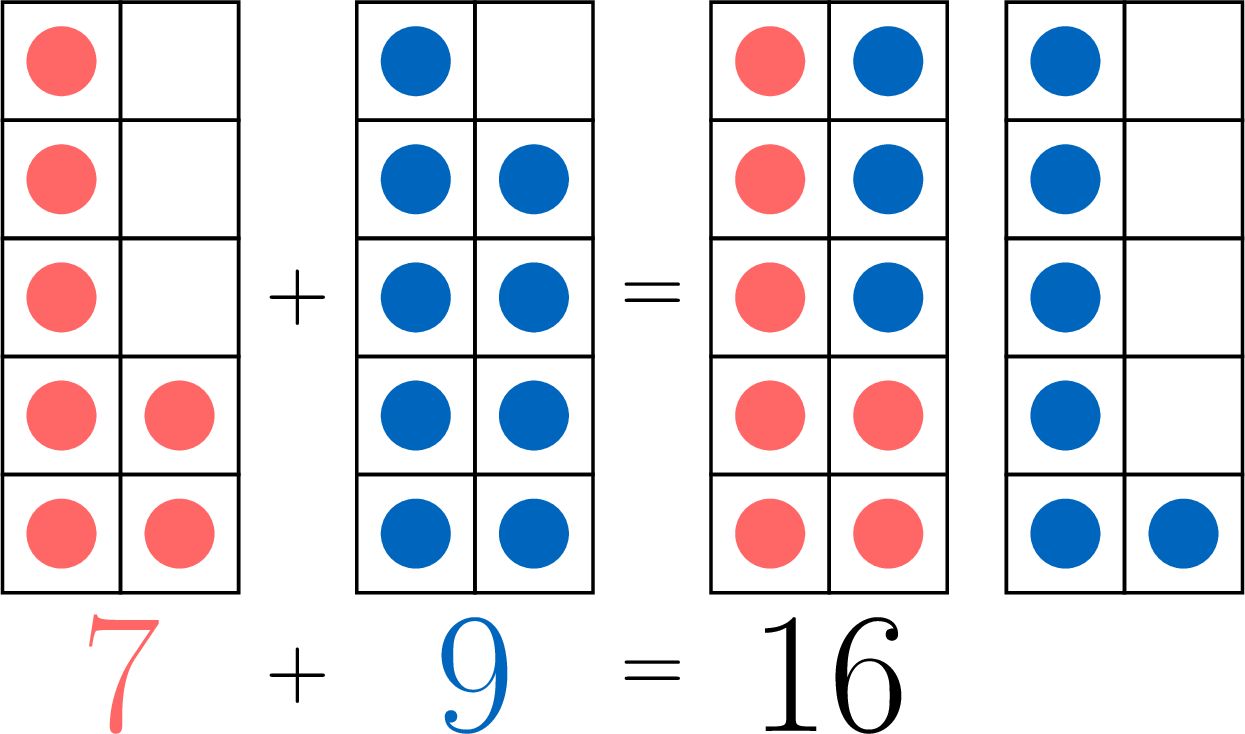
- Adding and Subtracting to 100 — Learn the doubles and halves by heart: doubles from 1 to 10 and whole tens, halves of even numbers, with ten-frames, fair sharing and fill-in equalities. The number facts that power mental calculation.
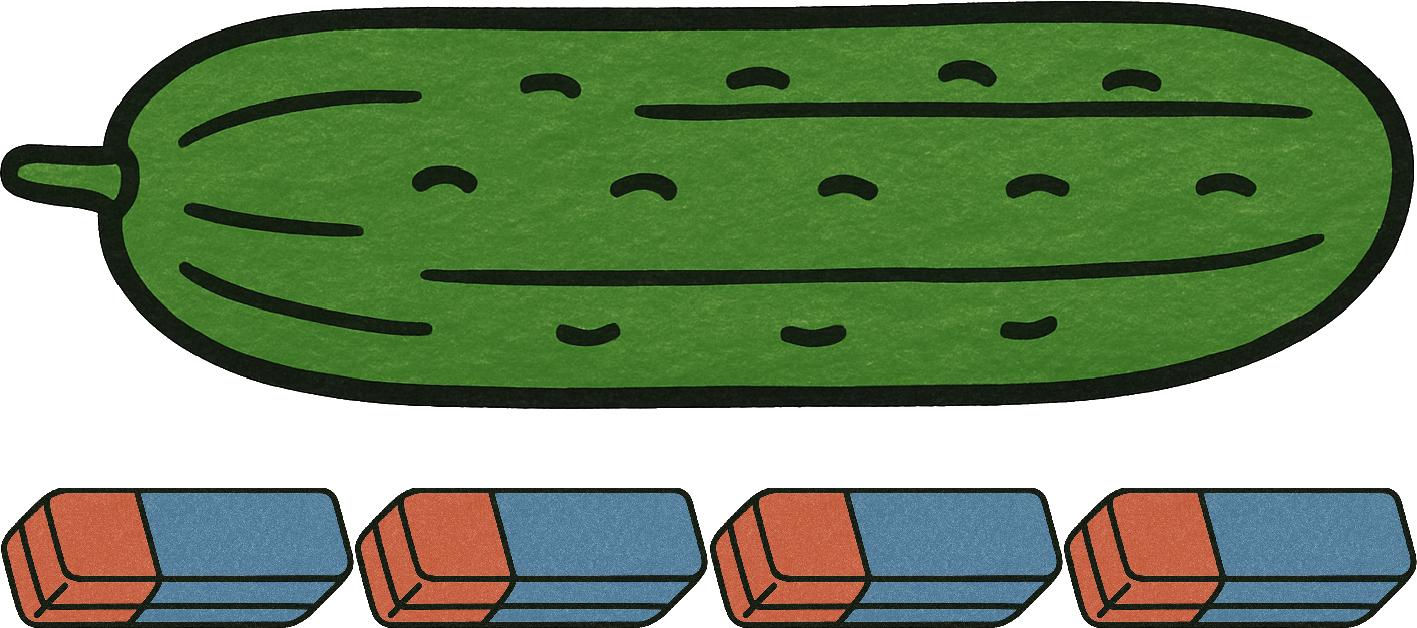
- Measuring Length, Mass and Capacity
- Multiplication: Equal Groups — Introduces multiplication via skip counting. Students learn to count by 2s, 5s, and 10s using visual aids like cubes and grids. Includes exercises on number patterns and money calculations to build arithmetic foundations.
- Data Handling — Introduction to pictographs for early learners. Learn to sort data, create picture graphs where one symbol equals one unit, and interpret results to identify the most and least common items. Features engaging exercises with animals, fruits, and vegetables.
- Division: Equal Sharing — Introduces division through the concept of equal sharing. Uses visual aids like distributing apples, flowers, and marbles to friends or containers to help students understand how to divide a total quantity into equal groups (fair sharing).
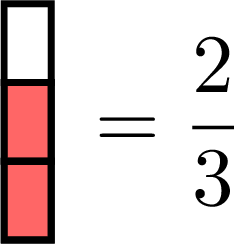
- Halves and Quarters — Master the basics of fractions by identifying equal parts and shaded areas in visual models. This module uses interactive diagrams—including bars, circles, and real-world sharing scenarios—to teach the fundamental relationship between parts and the whole.
- Time — An introduction to time concepts: the cycle of day and night, parts of the day (morning, noon, afternoon, evening), and the seven days of the week. Students learn to sequence daily activities and read 'o'clock' times on an analog clock by identifying the hour and minute hands.
- Money — An introductory module on money using US Dollars and Euros. Students practice identifying bills, adding currency to find totals, comparing budgets to prices, and calculating change from a transaction. Covers basic addition and subtraction in real-world contexts.
- Chance — An introduction to probability for young learners. Learn to describe the chance of an event happening using terms like certain, possible, and impossible. Includes engaging exercises with daily scenarios and simple random experiments like drawing colored candies from a bag.