MYP 2 mathematics
19 chapters, in the order of the programme: lessons, videos and worked exercises, free to start.
Whole Numbers, Rounding and Estimation
Lines, Angles and Constructions
Number Properties
Integers and Signed Numbers

Fractions
Decimals
Ratios, Rates and Percentages
Algebraic Expressions
Formulae
Linear Equations
Triangles and Quadrilaterals
Perimeter and Area
Solids
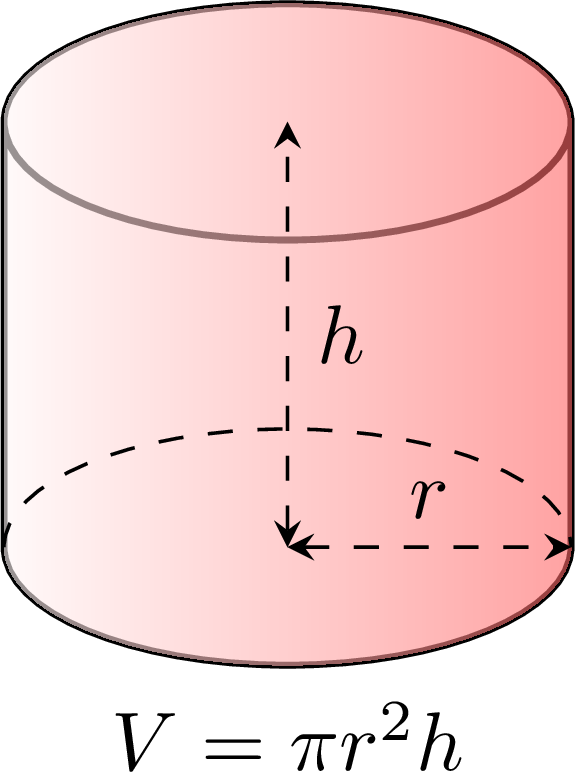
Volume, Capacity and Mass
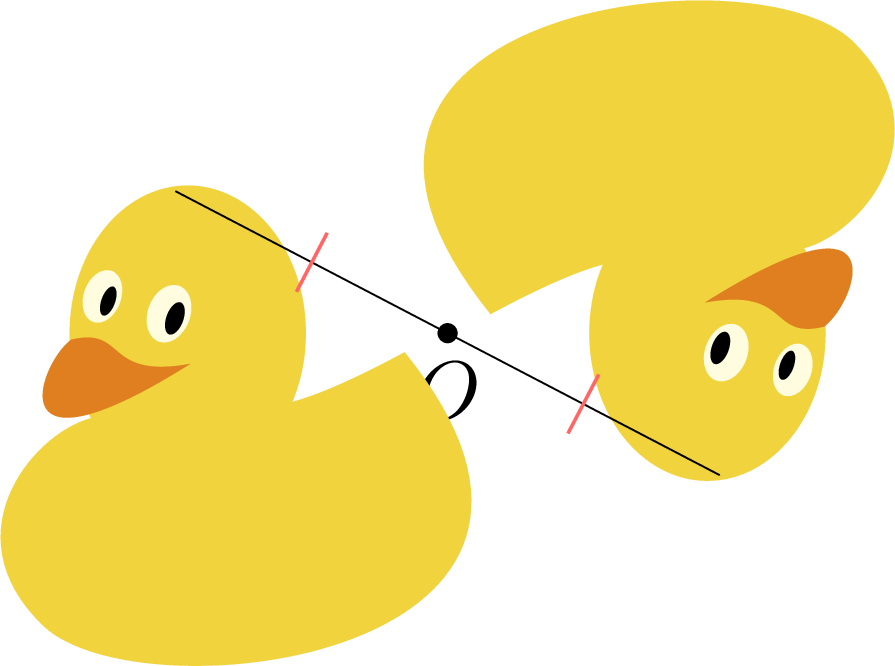
Transformations and Symmetry
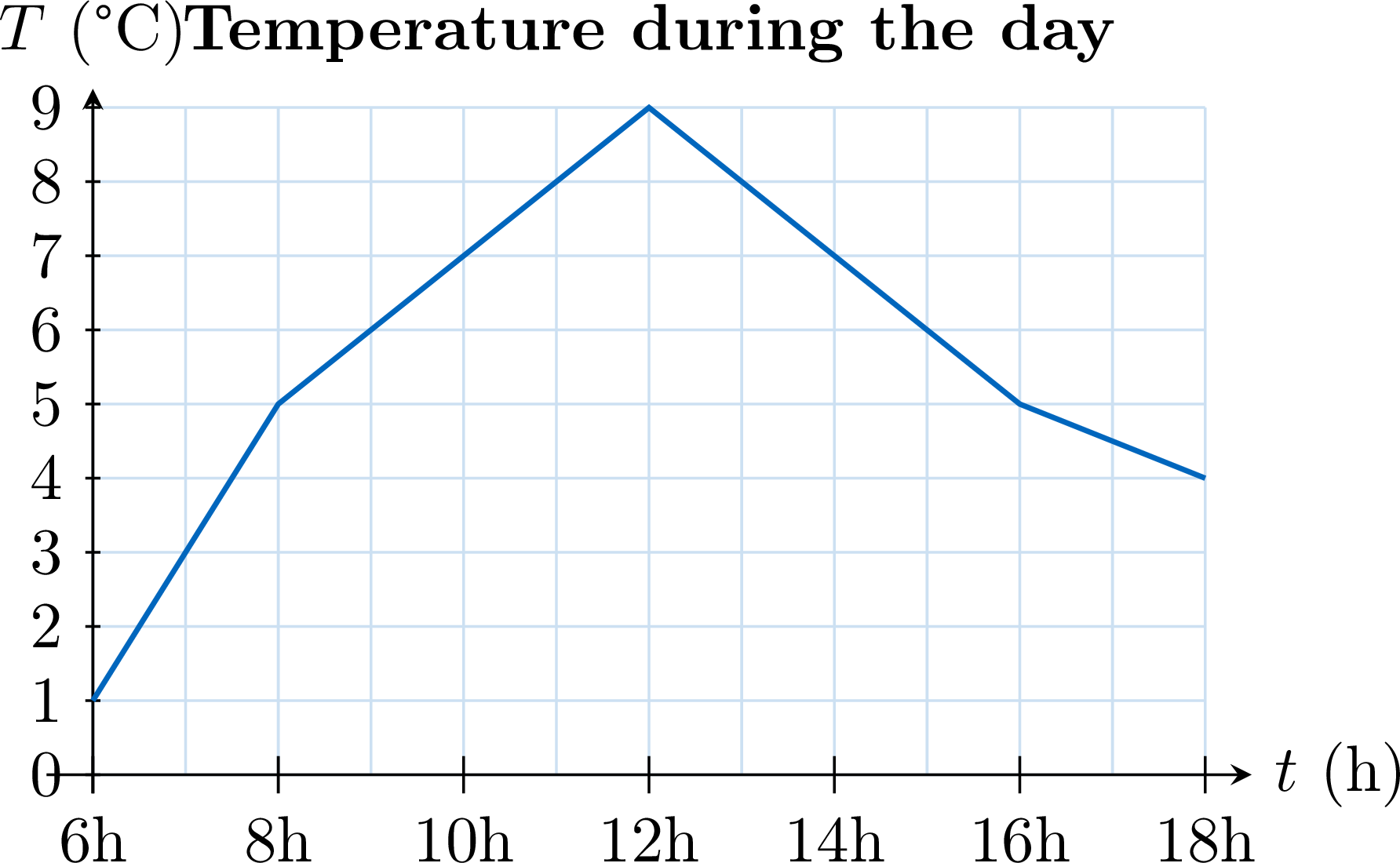
Coordinates and Straight-Line Graphs
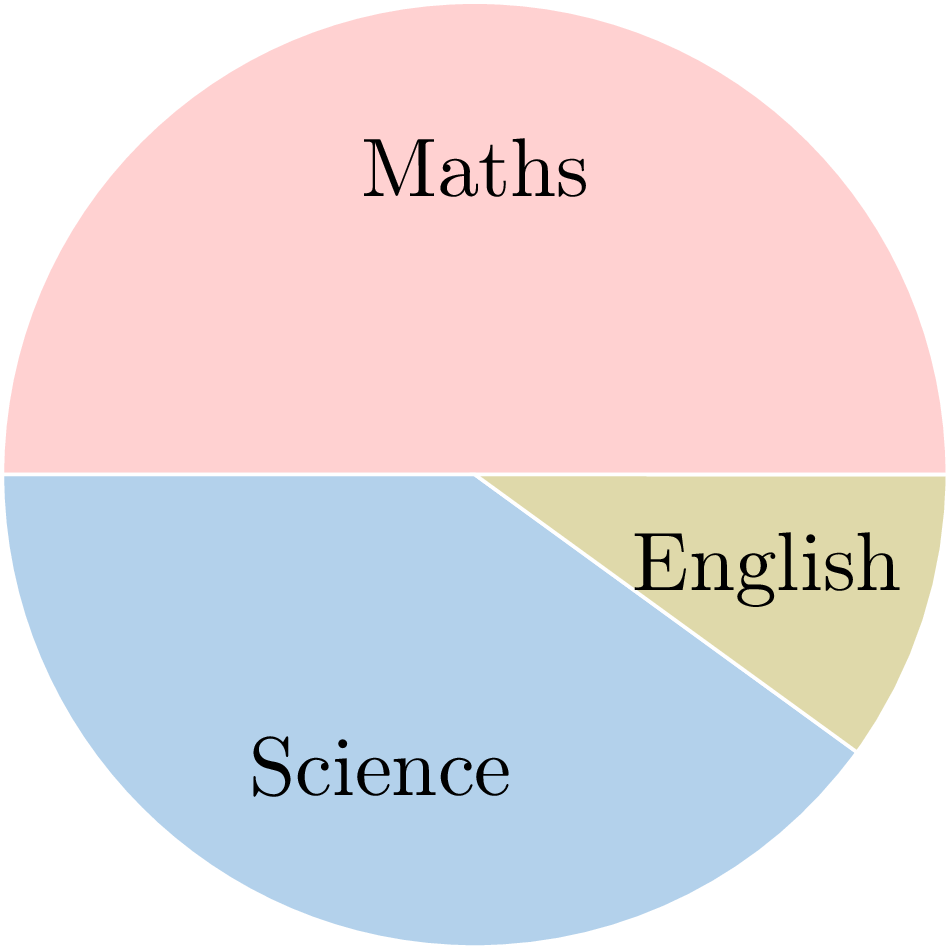
Statistics

Probability
Algorithms and Flowcharts
The programme
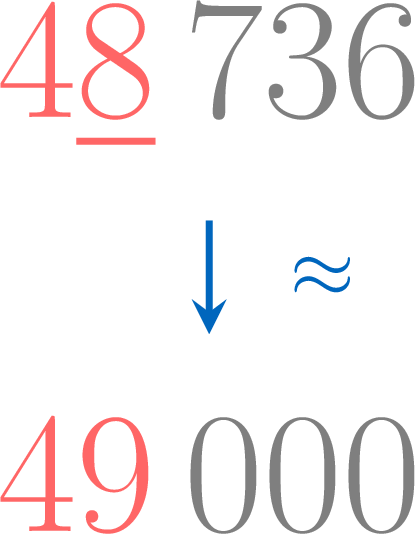
- Whole Numbers, Rounding and Estimation — Count the significant figures of a whole number or a decimal, telling significant zeros from place holders. Round to 1, 2 or 3 significant figures, carries included, and compare with rounding to decimal places. Make one-figure estimates to check a calculator result, and give answers to three significant figures, rounding only the final answer.
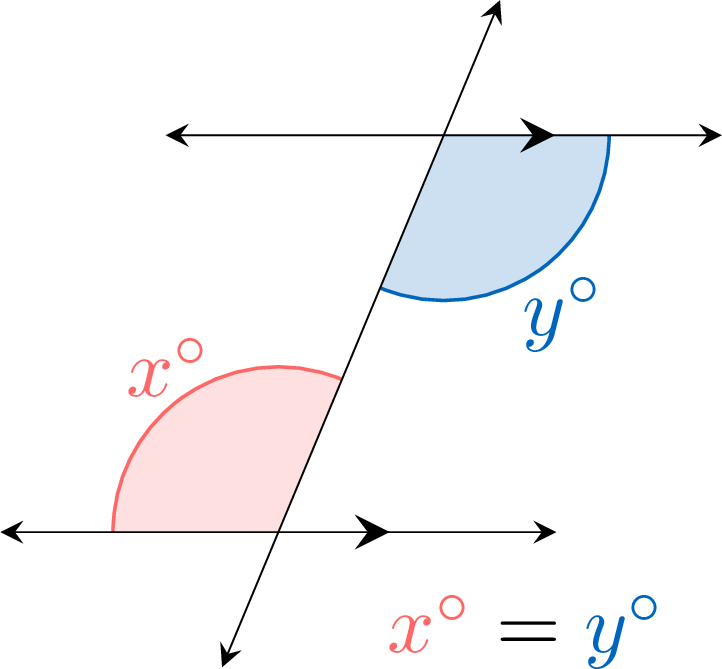
- Lines, Angles and Constructions — Explore geometric angle relationships. This module covers complementary, supplementary, and vertically opposite angles. Learn the properties of parallel lines intersected by a transversal, including corresponding, alternate, and co-interior angle calculations.
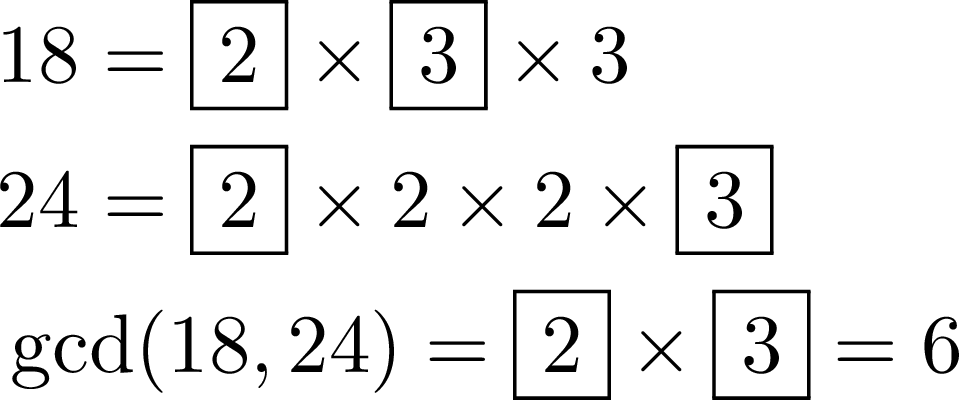
- Number Properties — A comprehensive guide to integer properties: covering Euclidean division, divisibility criteria (2-9), primes, and factorization. Master GCD and LCM via factor trees to solve real-world synchronization and distribution problems.
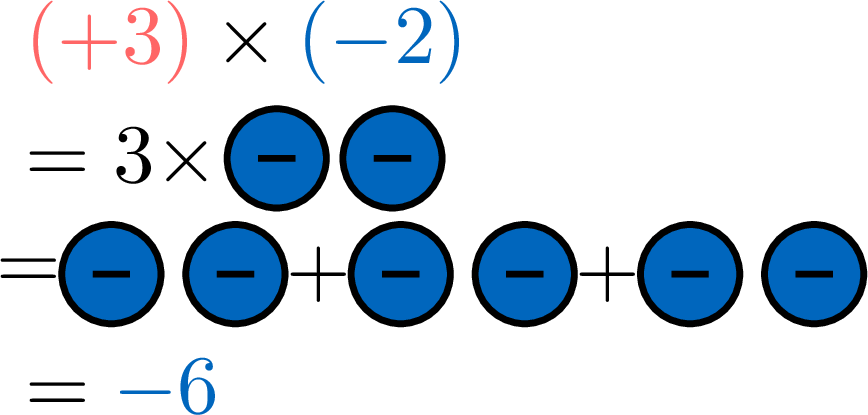
- Integers and Signed Numbers — Learn the fundamentals of integers, including positive and negative numbers, absolute value, and opposites. This module covers addition, subtraction, multiplication, and division rules using tribe models and number lines to solve real-world problems like temperature and finance.
- Fractions — A comprehensive guide to rational numbers. Master definitions, visual models, and operations. Covers equivalent fractions, simplification, cross-multiplication, and mixed numbers. Includes real-world applications and multi-step order of operations with signed fractions.
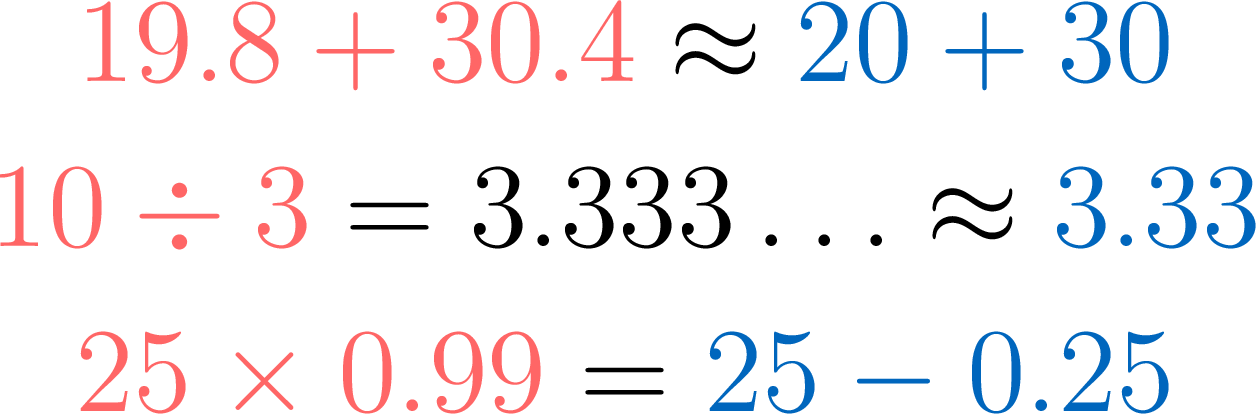
- Decimals — Consolidate decimal numbers to thousandths and learn to calculate with reason. Master orders of magnitude to estimate and check results, use the properties of operations for mental calculation, multiply and divide with decimals, and give approximate values of never-ending quotients, by default and by excess.
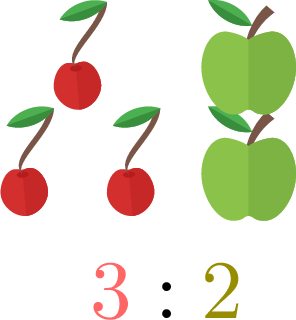
- Ratios, Rates and Percentages — Explore ratios and proportions through visual models. Learn to identify part-part and part-whole relationships, simplify equivalent ratios, and solve practical problems using the unitary method and cross-multiplication equation.
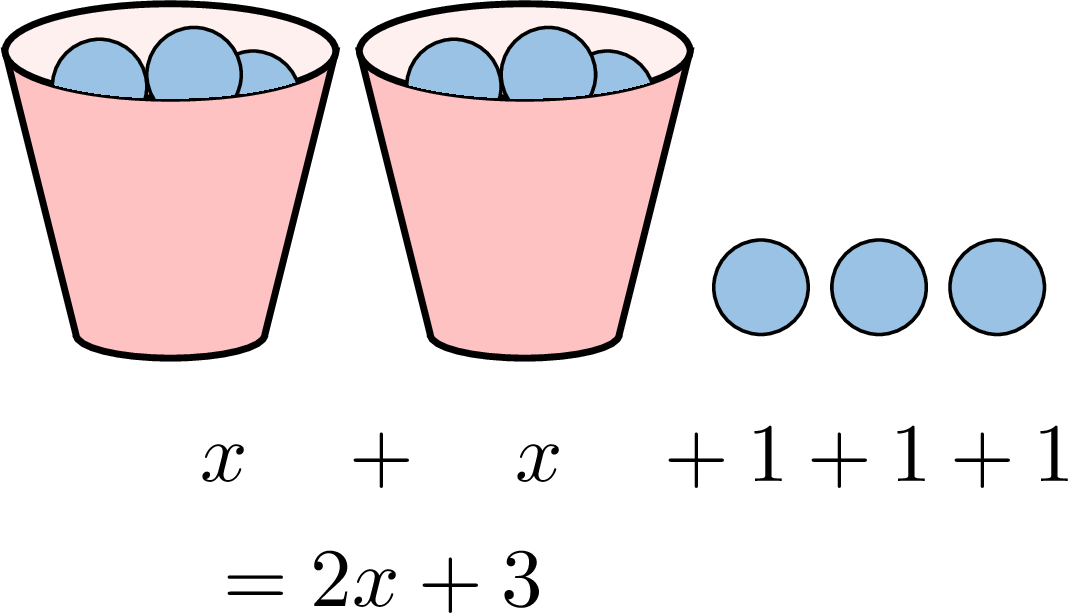
- Algebraic Expressions — A foundational algebra module defining constants, variables, expressions, and equations. Covers notation rules, repeated addition/multiplication, and algebraic identities. Includes practical exercises on combining like terms and evaluating expressions and geometric formulas via substitution.
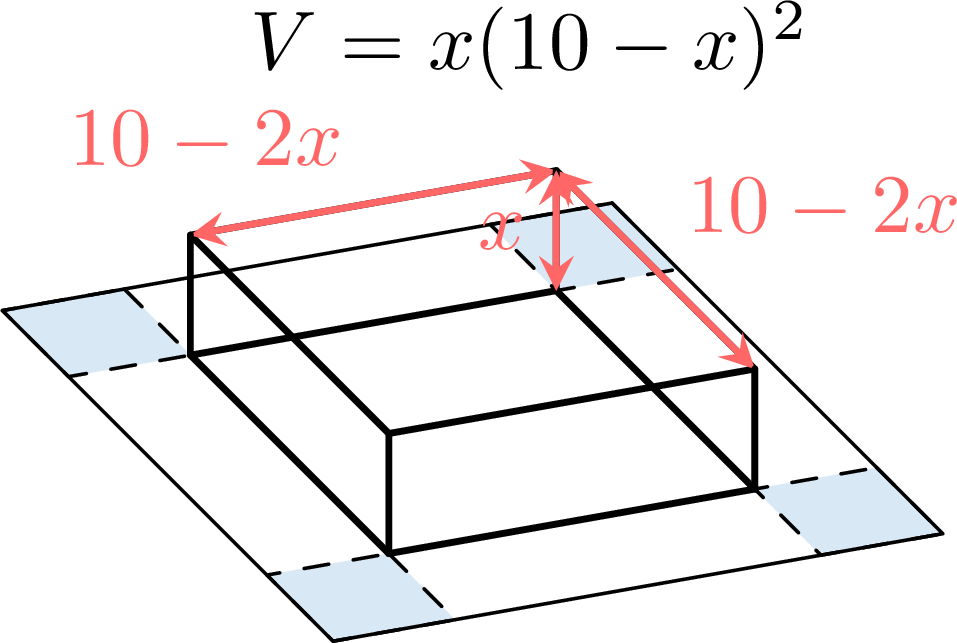
- Formulae — Learn to work with formulas: identify the subject, substitute values, and rearrange equations using inverse operations. Master constructing algebraic rules from real-world scenarios, geometric areas, and matchstick patterns to predict the n-th term of a sequence.
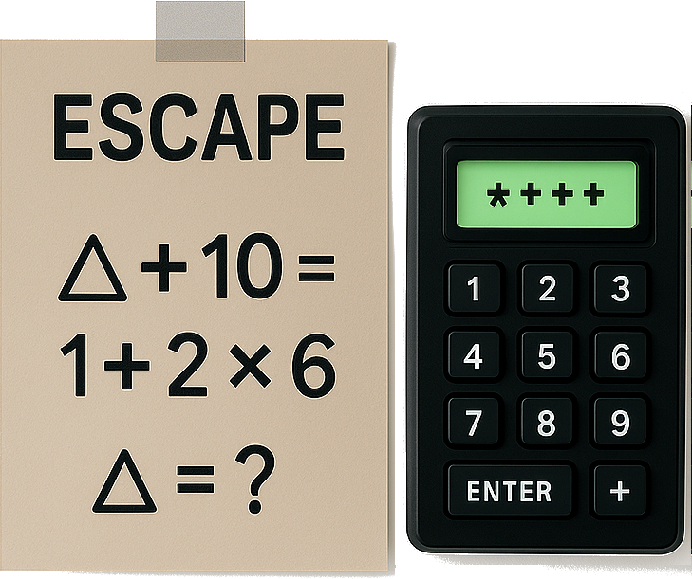
- Linear Equations — Discover the fundamentals of equations with a Math Escape Room theme. This module covers variables and solutions, teaching solving methods like inspection and trial-and-error. Practice by testing values in linear and simple quadratic equations to find the hidden code.
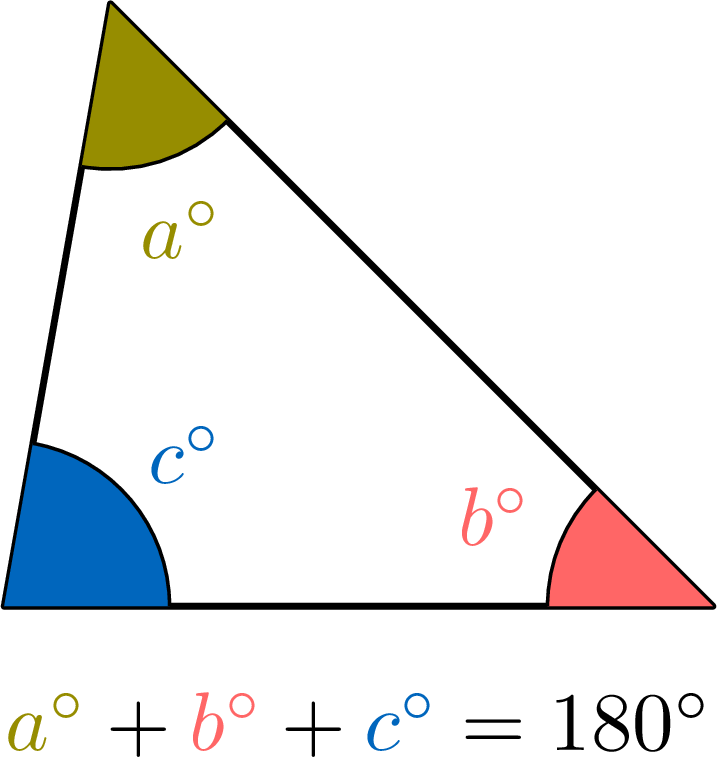
- Triangles and Quadrilaterals — Explore triangle properties: classification (isosceles, equilateral, scalene, right-angled), the 180° angle sum theorem, and the triangle inequality. Learn to calculate missing angles and determine if specific side lengths can form a valid triangle using geometric logic.
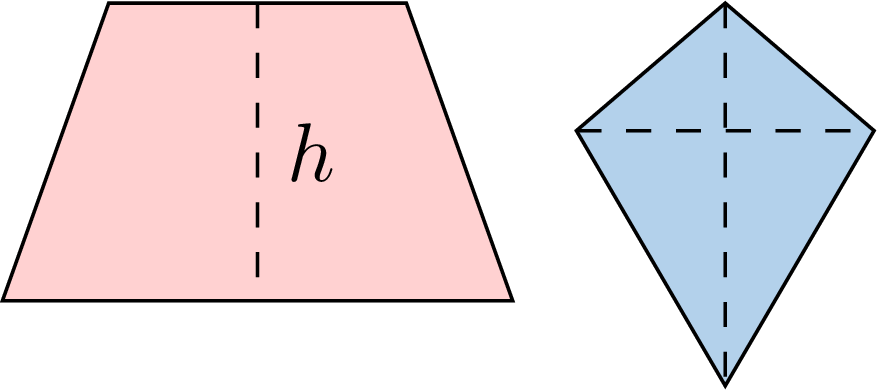
- Perimeter and Area — Find the area of a trapezium and of a kite. Discover the trapezium formula from two copies forming a parallelogram, prove it by cutting along a diagonal, and use it forwards and backwards; find the area of a kite or a rhombus as half the product of its diagonals; solve problems on composite shapes and real contexts, and investigate why the formulas work.
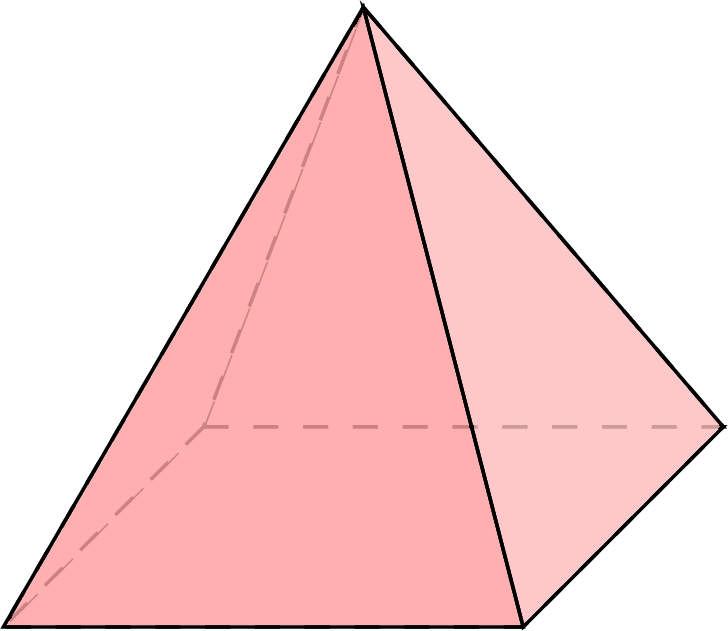
- Solids — Discover pyramids and cones of revolution. Learn to recognise and describe them (base, apex, height, faces, edges, vertices), to generate a cone by rotating a right triangle, to draw these solids in perspective with dashed hidden edges, and to identify their nets: a polygon with triangles for the pyramid, a disc and a circular sector for the cone.
- Volume, Capacity and Mass — Master volume and capacity using units (mm³, cm³, m³) and liquid measures (L, cL, mL). Learn formulas for rectangular cuboids, triangles, cylinders, and arc lengths. Practice unit conversions and solve real-world capacity problems with step-by-step methods.
- Transformations and Symmetry — A module on Point Reflection (central symmetry) covering midpoints, 180-degree rotations, and centers of symmetry. Learn to find coordinate images, draw reflected figures on graph paper, and identify symmetry in common geometric shapes like parallelograms and circles.
- Coordinates and Straight-Line Graphs — Introductory module on mathematical relations. Learn to identify variables, organize data in tables, and represent connections visually using line graphs in the coordinate plane. Includes exercises on reading and plotting real-world data like height and temperature.
- Statistics — Learn the 5-step statistical investigation process. Covers population identification, qualitative vs. quantitative variables, and data collection via census or survey. Master descriptive statistics like mean and mode, and represent data using frequency tables, bar charts, and pie charts.
- Probability — Introduction to probability: outcomes, sample spaces, and events. Explores the 0 to 1 scale using qualitative terms and quantitative measures (fractions, decimals, percentages). Covers the complement rule, equally likely outcomes, and estimating experimental probability through practical trials.
- Algorithms and Flowcharts