MYP 3 mathematics
19 chapters, in the order of the programme: lessons, videos and worked exercises, free to start.
Rational Numbers

Exponents
Square and Cube Roots
Algebraic Expressions and Fractions
Expansion and Factorisation
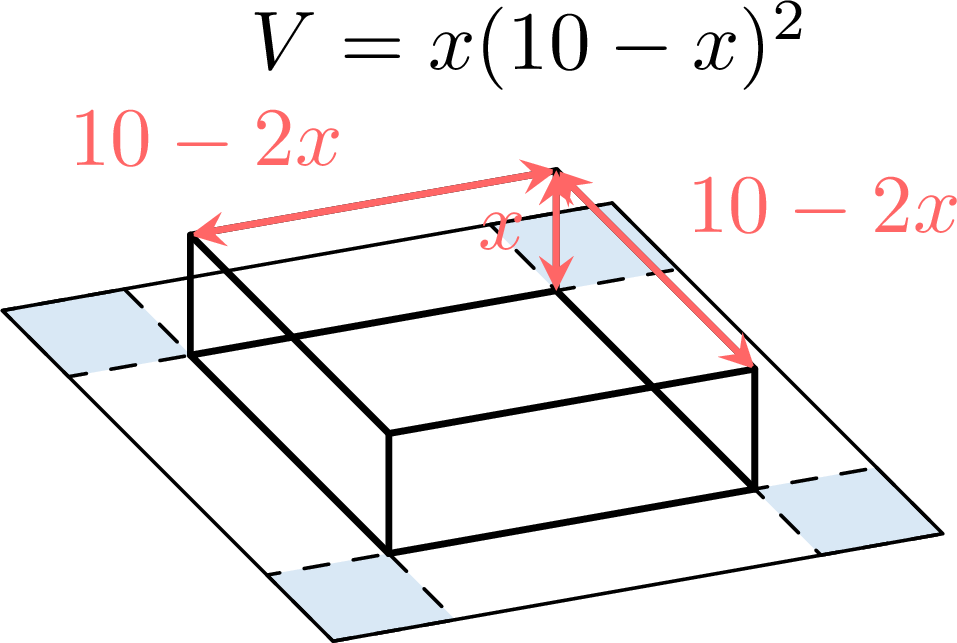
Formulae and Patterns
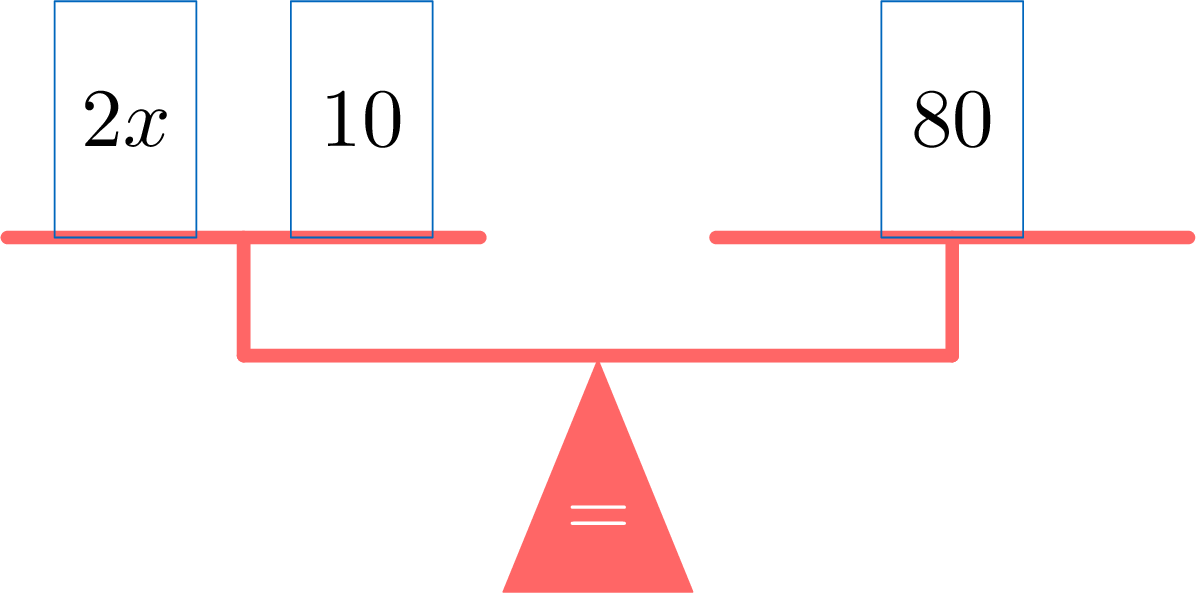
Linear Equations
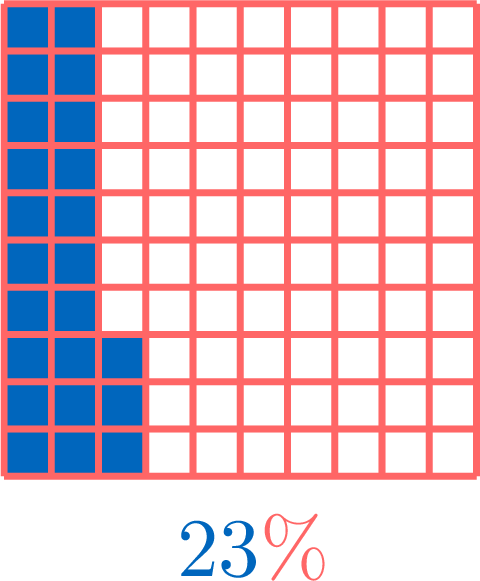
Percentages and Money
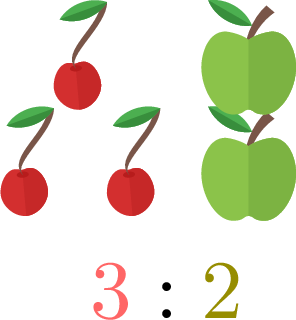
Ratio, Rates and Speed
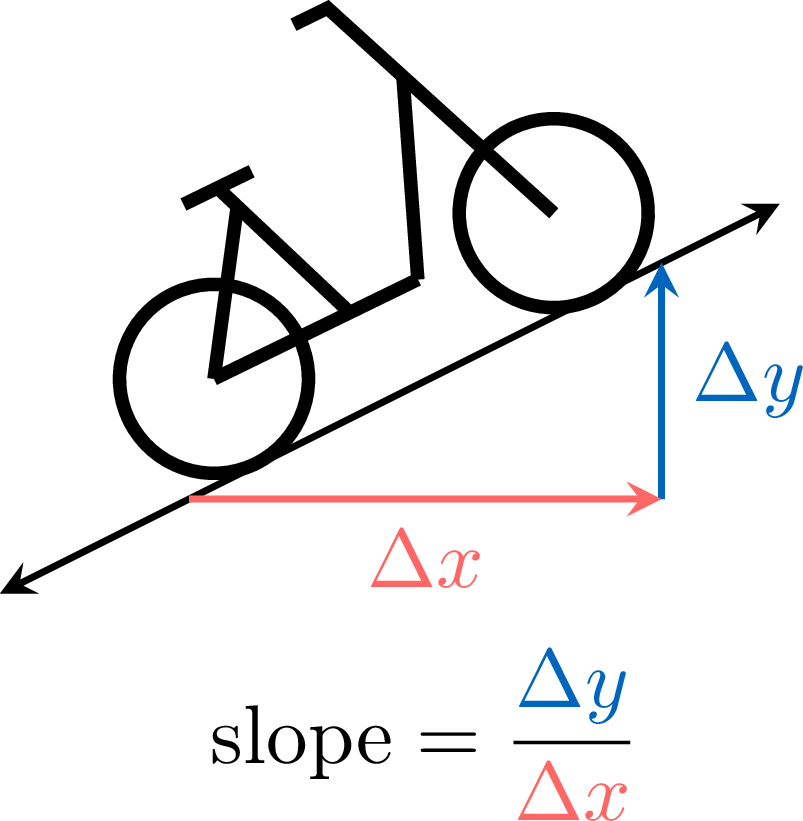
Straight-Line Graphs
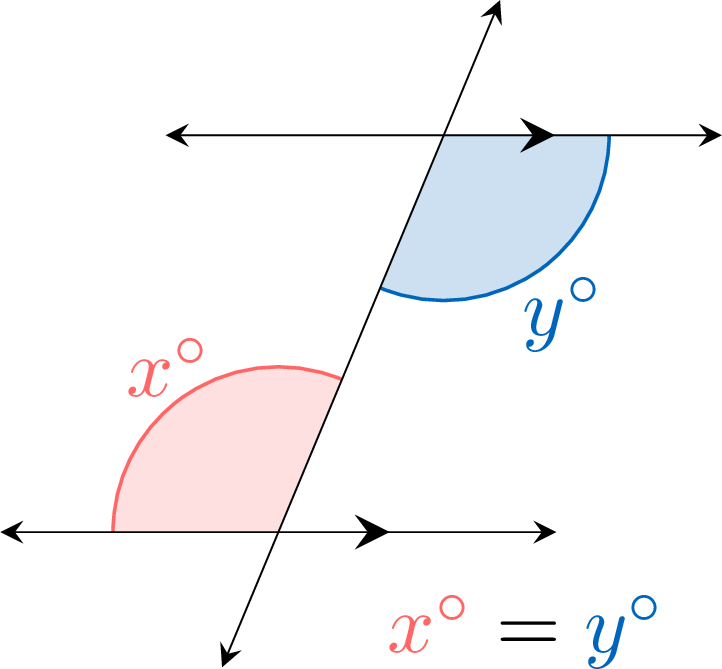
Angles and Polygons
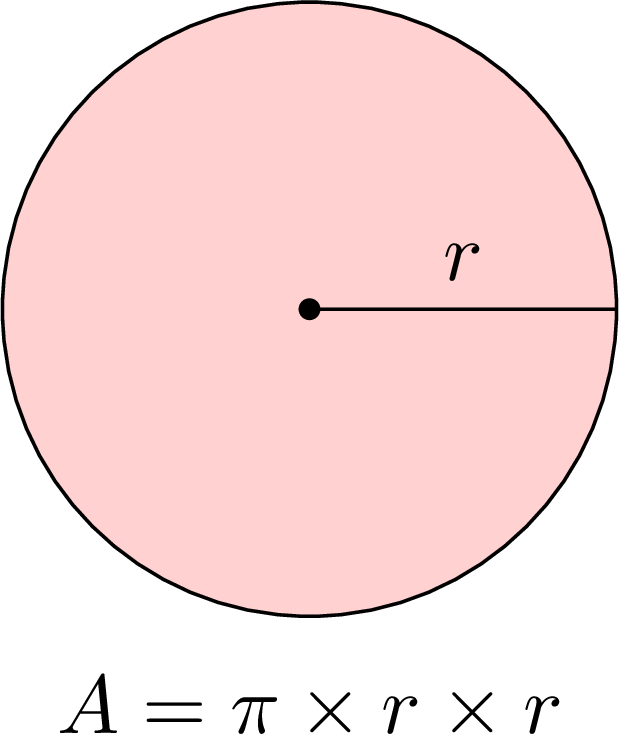
Circles, Perimeter and Area
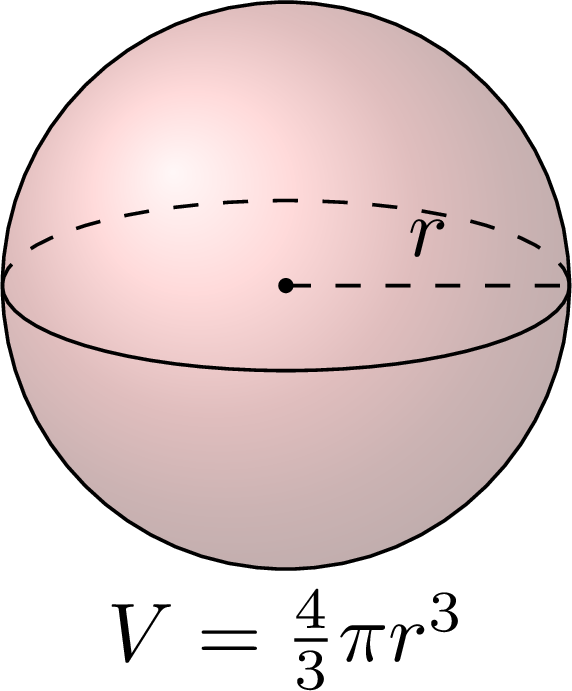
Surface Area and Volume
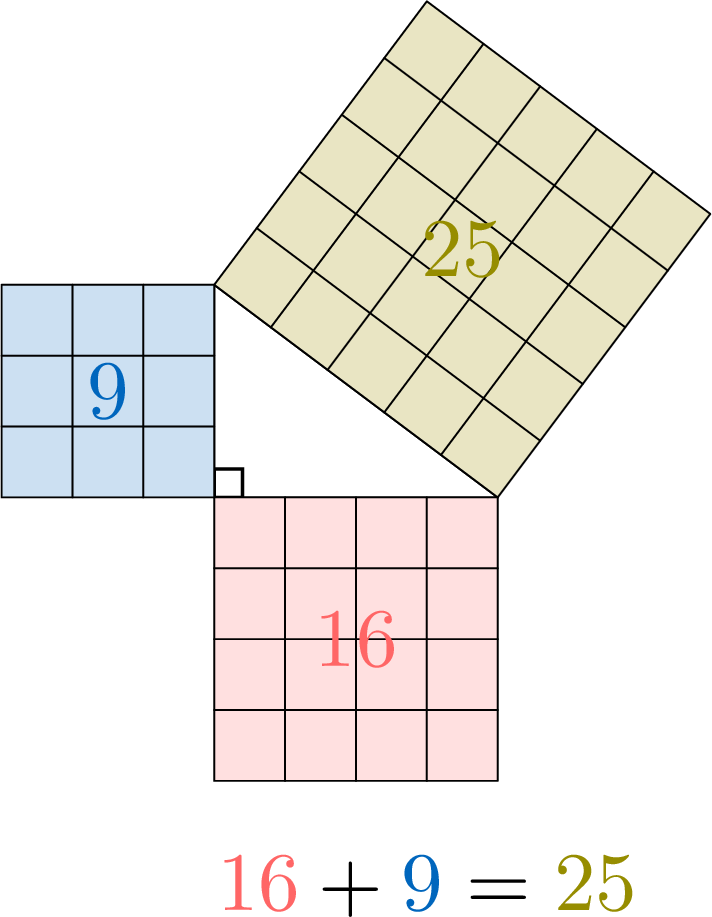
Pythagoras' Theorem
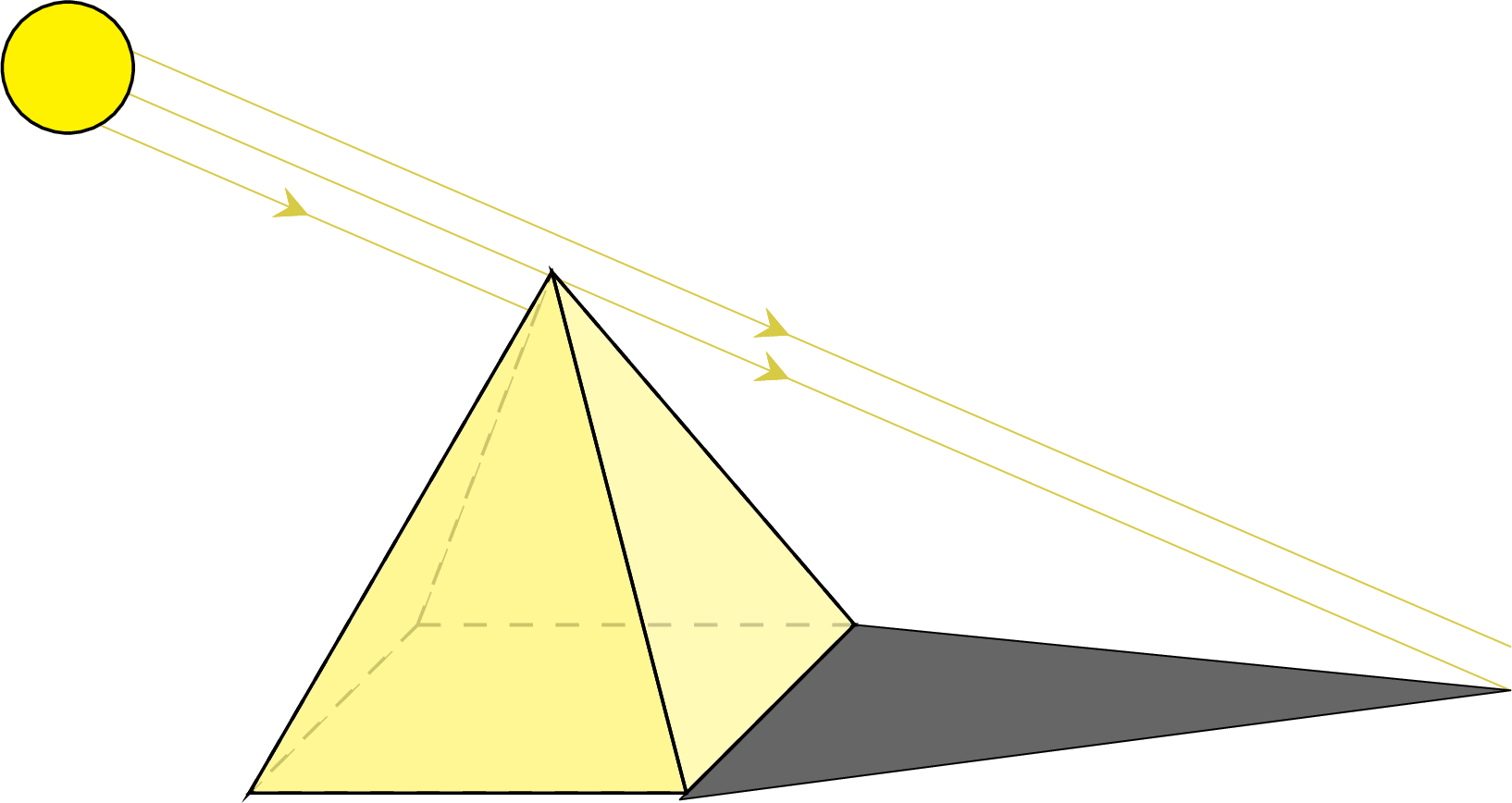
Similarity
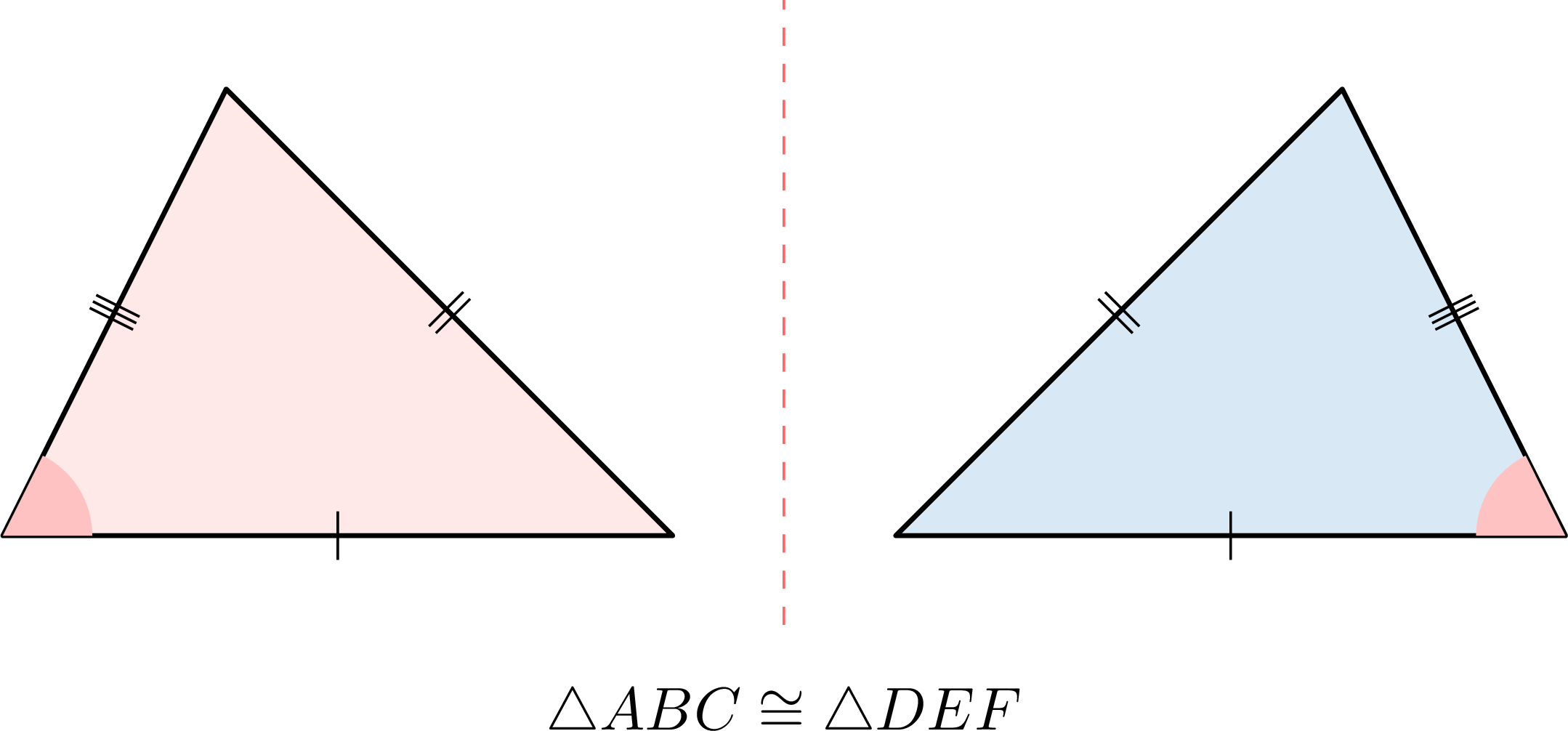
Congruence
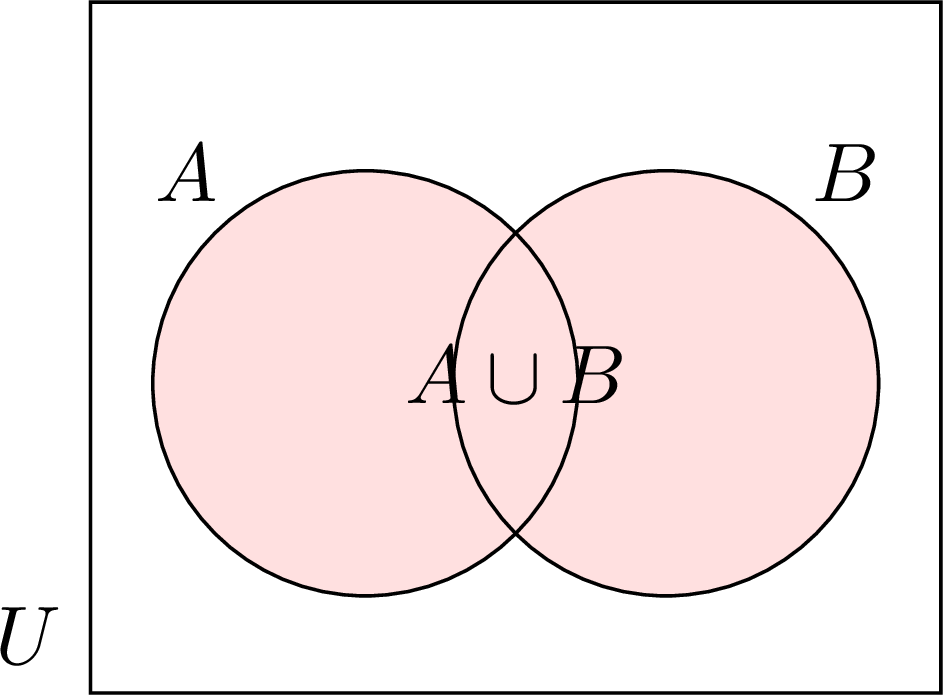
Sets and Venn Diagrams
Statistics

Probability
The programme
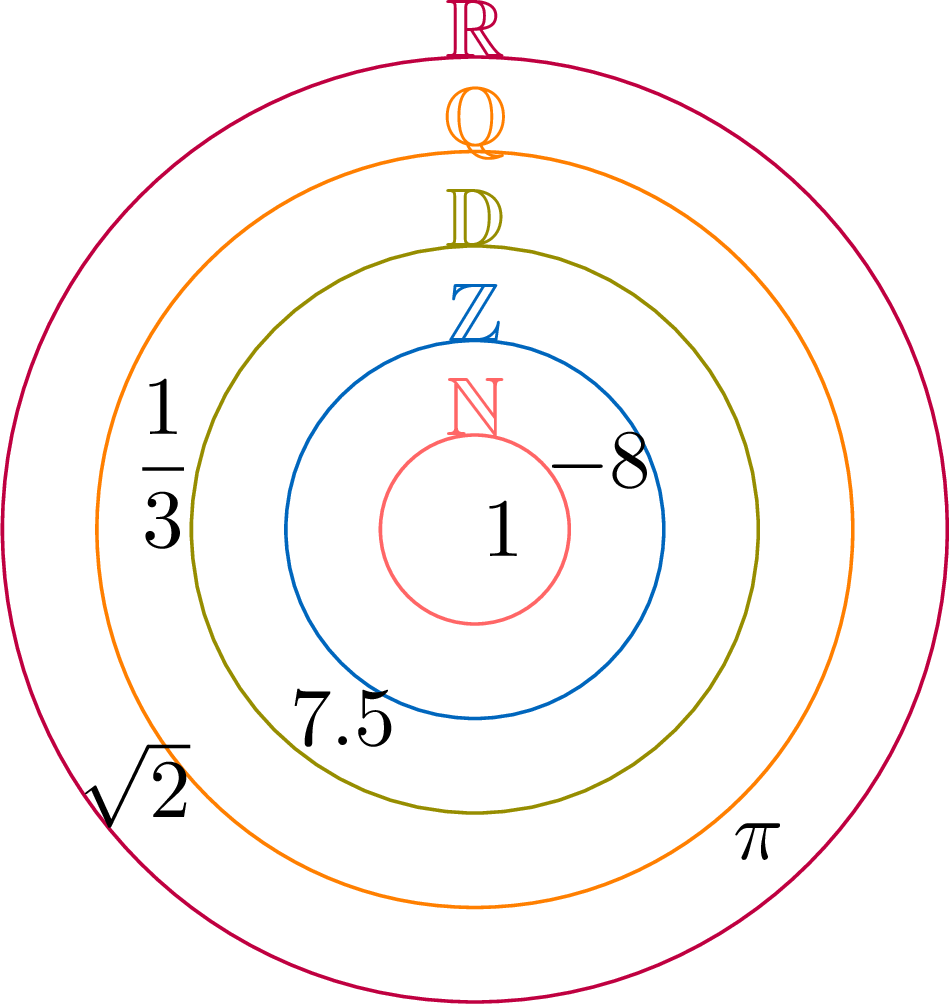
- Rational Numbers — Master number sets (N, Z, D, Q, R), interval notation, and absolute value. Covers set nesting, union/intersection, solving linear inequalities, and calculating distances on a number line through pedagogical lessons and structured exercises.
- Exponents — Master exponents through repeated multiplication, negative powers, and the five fundamental exponent laws. This module covers simplifying algebraic expressions and applying the order of operations (PEMDAS) to solve multi-step problems. Perfect for building a solid algebra foundation.
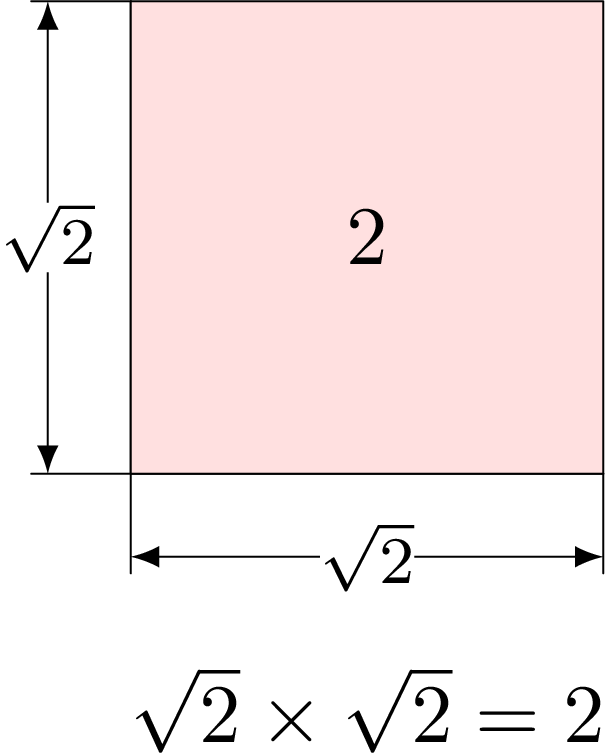
- Square and Cube Roots — Master the basics of square roots as the inverse of squaring. This module covers geometric area-to-side length conversion, perfect squares, square roots of fractions, and calculator estimation. Includes practical exercises for rounding and real-world geometry.
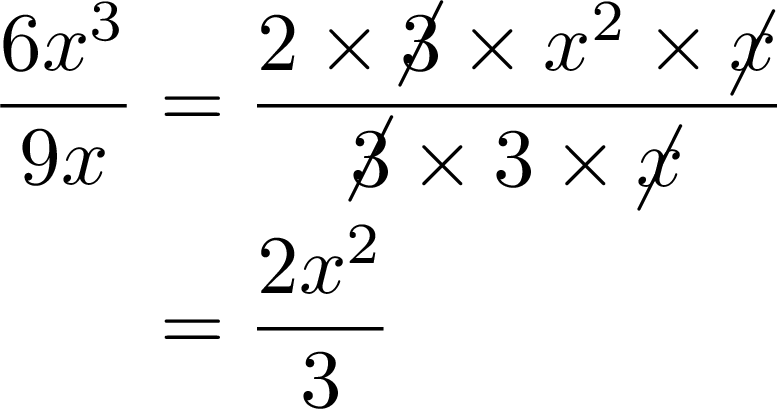
- Algebraic Expressions and Fractions — Explore rational numbers through algebraic fractions. Master simplification, cross-multiplication, and arithmetic operations involving variables (x, x^2). Covers reciprocals, sign rules, and the fraction bar as a grouping symbol for evaluating complex algebraic expressions.
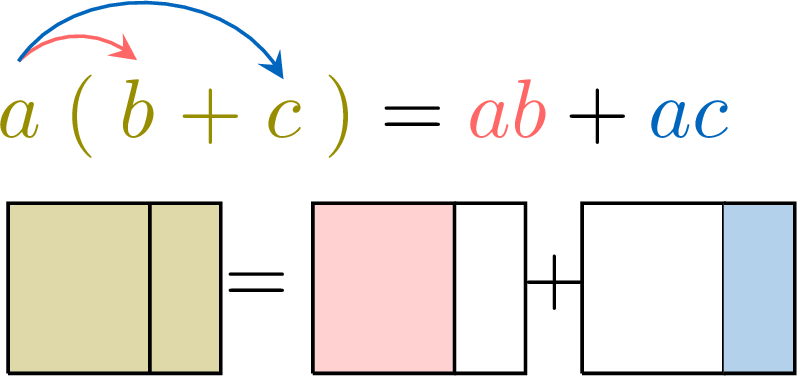
- Expansion and Factorisation — Introduction to algebraic foundations: variables, expressions, and equations. Master notation rules, simplify by collecting like terms, and apply the distributive law. Practice evaluating expressions and writing geometric formulas through visual models and real-world examples.
- Formulae and Patterns — Learn to work with formulas: identify the subject, substitute values, and rearrange equations using inverse operations. Master constructing algebraic rules from real-world scenarios, geometric areas, and matchstick patterns to predict the n-th term of a sequence.
- Linear Equations — Master equation solving with the balance scale principle and inverse operations. Learn to isolate unknowns, build and undo expressions, and use trial-and-error methods. Practice through interactive step-by-step exercises and a Math Escape Room challenge.
- Percentages and Money — Master percentages through definitions, visual models, and conversions. Learn to calculate parts and wholes, compare ratios, and solve real-world problems involving percentage increases and decreases. Includes step-by-step methods for fractions and decimals.
- Ratio, Rates and Speed
- Straight-Line Graphs — Master Line Equations by understanding Slope (Gradient) and the y-Intercept. This module covers the Slope Formula, the Slope-Intercept Form (y=mx+c), and methods for graphing lines using tables of values or geometric properties. Includes exercises on calculating slopes and verifying points.
- Angles and Polygons — Explore geometric angle relationships. This module covers complementary, supplementary, and vertically opposite angles. Learn the properties of parallel lines intersected by a transversal, including corresponding, alternate, and co-interior angle calculations.
- Circles, Perimeter and Area — Master area formulas for rectangles, squares, triangles, parallelograms, and circles. Learn to calculate the area of composite figures by adding or subtracting simple shapes. Practice metric conversions and solve real-world problems involving costs for tiling, painting, and gardening.
- Surface Area and Volume — Comprehensive guide to volume, capacity, and surface area. Learn formulas for prisms, cones, and spheres, perform metric conversions, and solve density problems. Covers practical applications like liquid capacity, pool volume, and mass calculations using the Pythagorean theorem.
- Pythagoras' Theorem — Master the Pythagorean Theorem: identify right-angled triangles, calculate unknown lengths (hypotenuse/legs), and use the converse and contrapositive for verification. Includes algebraic/geometric proofs and applications to shapes like squares and rhombuses.
- Similarity — Covers similar triangles via the Angle-Angle (AA) criterion and Thales’s Theorem. Includes historical applications like measuring pyramids and practical stool modeling. Teaches length calculation using side ratios and how to structure formal geometric proofs.
- Congruence — Recognise congruent figures as images of one another by an isometry and write a congruence with the vertices in corresponding order. Prove two new congruence tests, two angles and a corresponding side (AAS) and right angle, hypotenuse and side (RHS), learn the names SSS, SAS, ASA, AAS and RHS, lay out a congruence proof, and use it to prove the converse of Pythagoras' theorem, the bisector and chord properties, and real-life measurements.
- Sets and Venn Diagrams — Master the fundamentals of Set Theory: elements, subsets, and cardinality. Learn key operations like union, intersection, and complements, and explore ordered pairs. Includes practical problem-solving using Venn diagrams across arithmetic and geometric contexts.
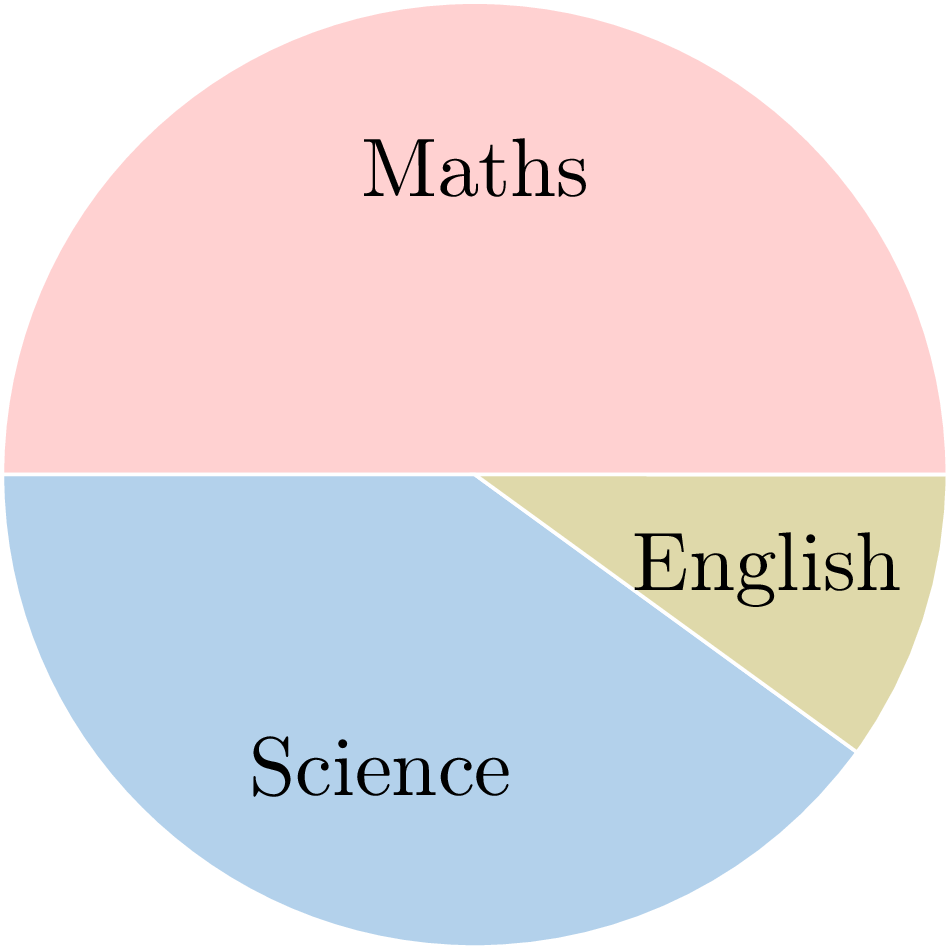
- Statistics — An introductory module on statistics covering the investigation process. Includes qualitative/quantitative variables, data collection (census vs. survey), central tendency (mean, median, mode), and spread (range, IQR). Features bar charts and pie chart construction.
- Probability — Discover the essentials of probability: sample spaces, events, and the complement rule. Learn to represent multi-step experiments using tree diagrams and tables. Covers theoretical calculations for equally likely outcomes and estimates based on experimental trials.