MYP 4 mathematics
22 chapters, in the order of the programme: lessons, videos and worked exercises, free to start.
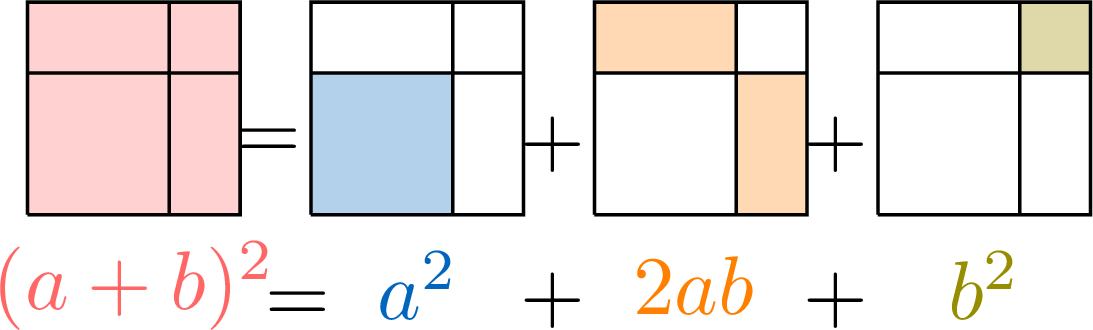
Algebraic Expansion
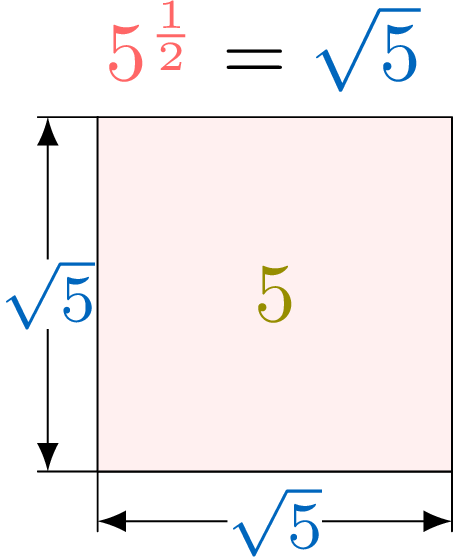
Exponents and Standard Form
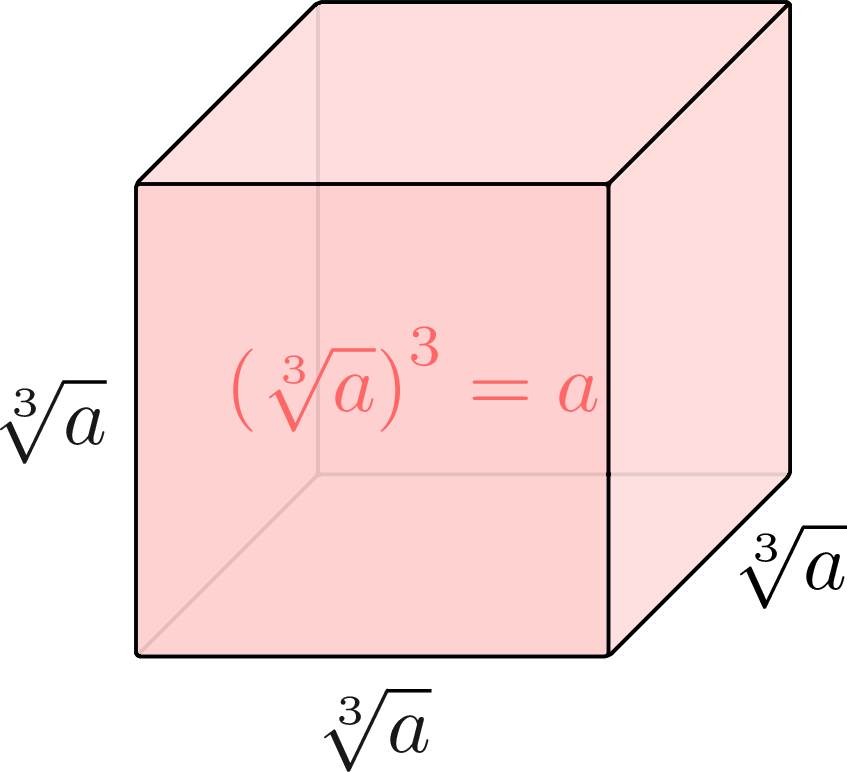
Radicals and Surds
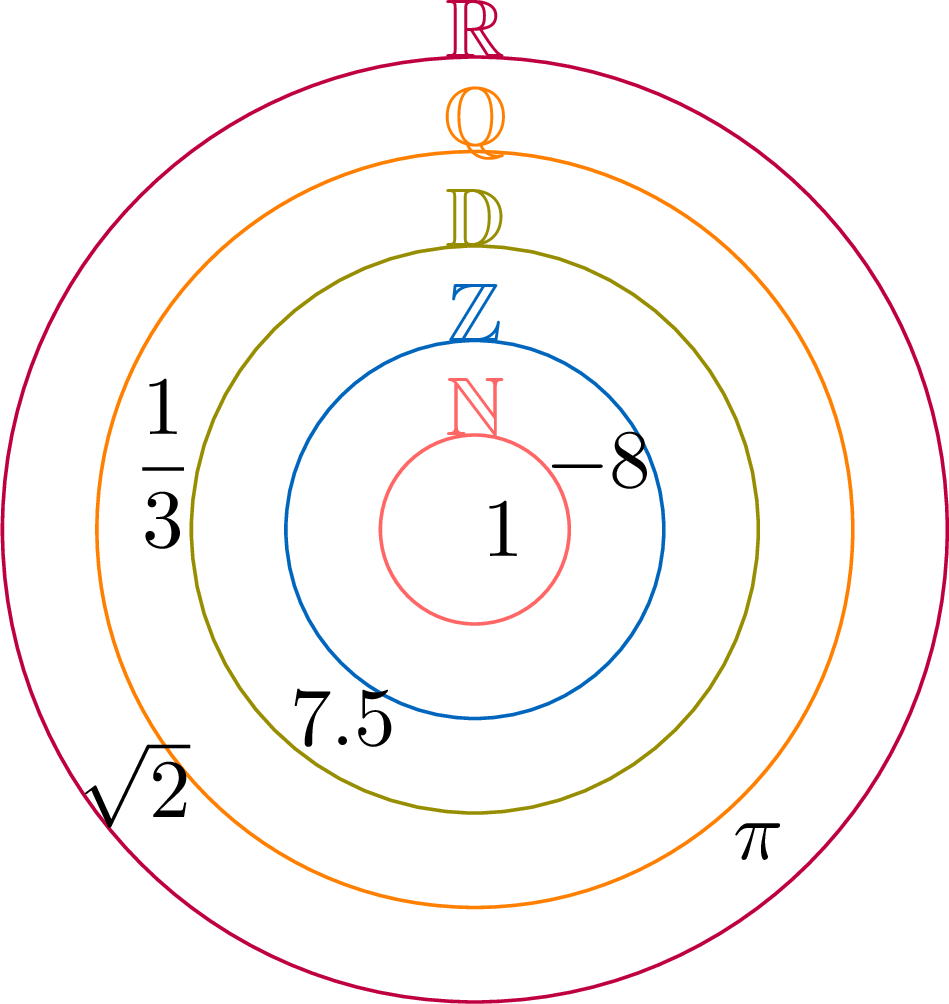
Sets, Number Sets and Intervals
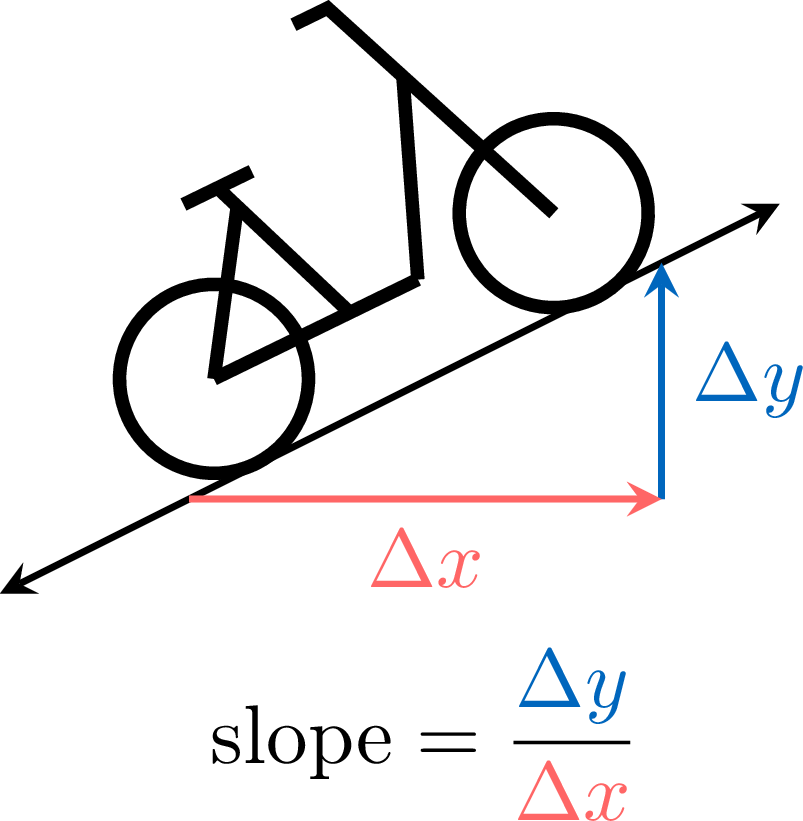
Coordinate Geometry and Straight Lines

Factorisation

Algebraic Fractions

Linear Equations, Inequalities and Formulae
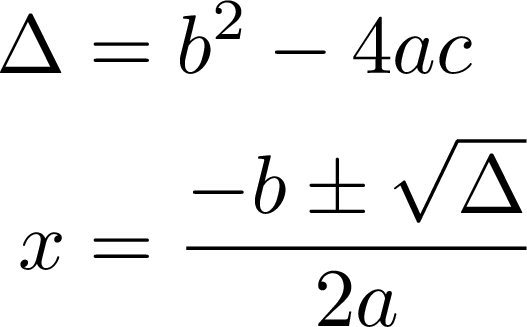
Quadratic Equations
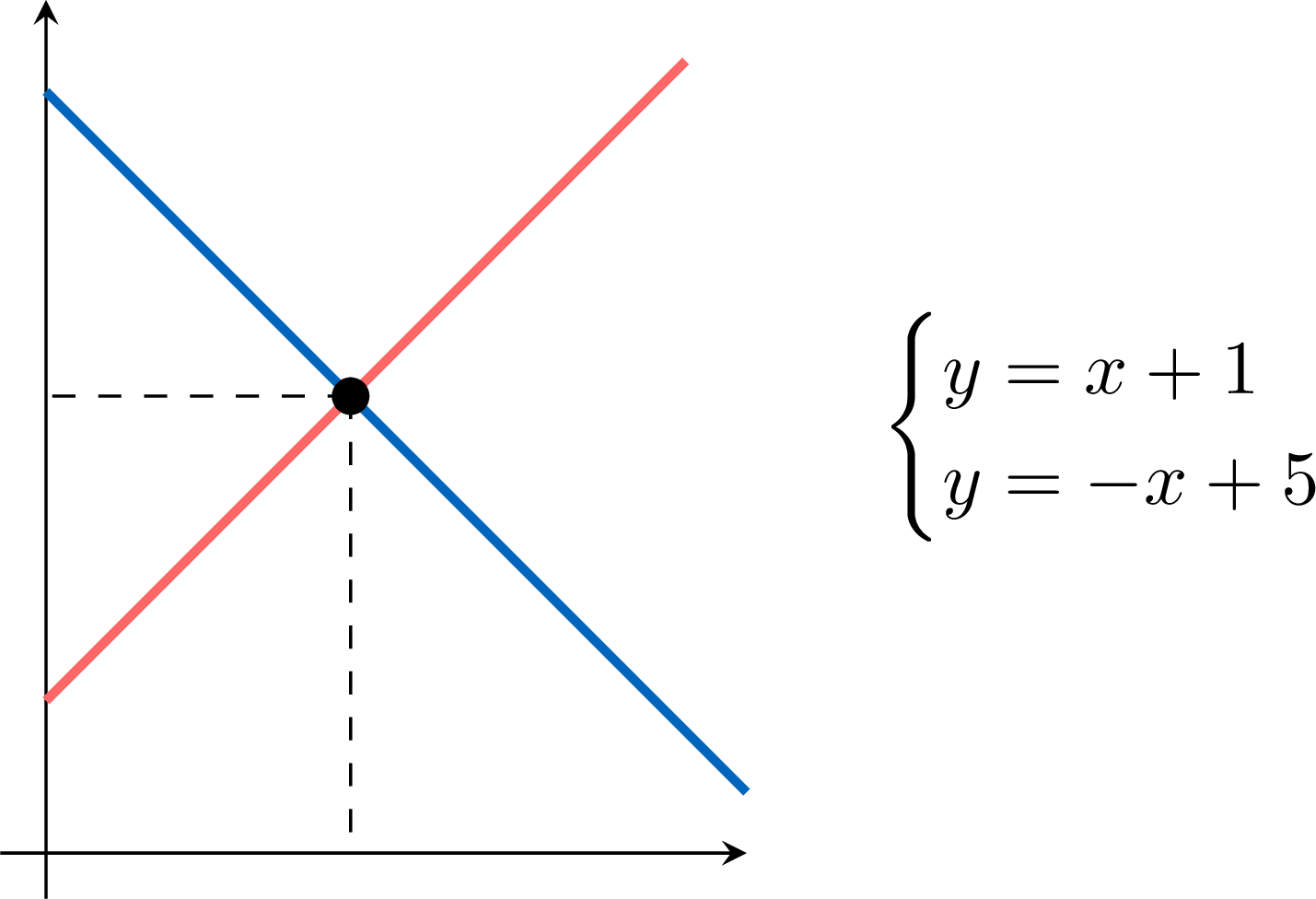
Simultaneous Equations

Quadratic Functions
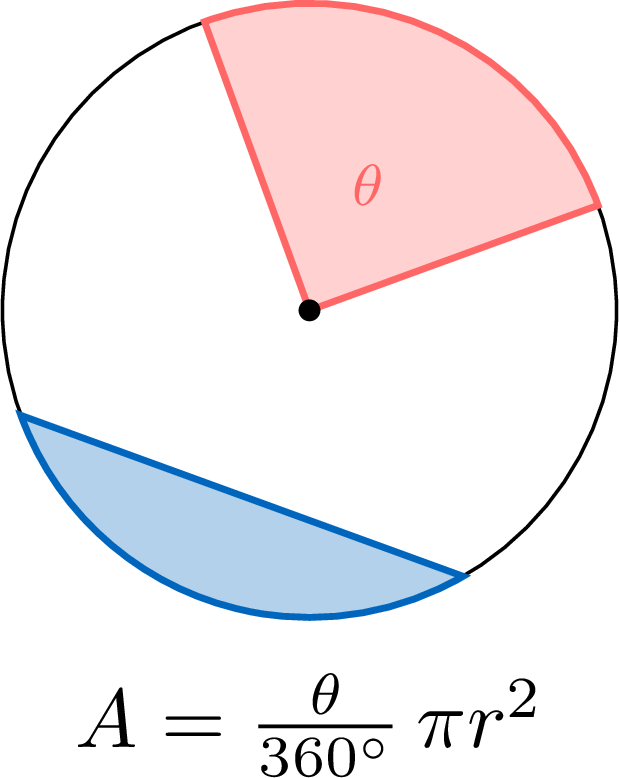
Mensuration
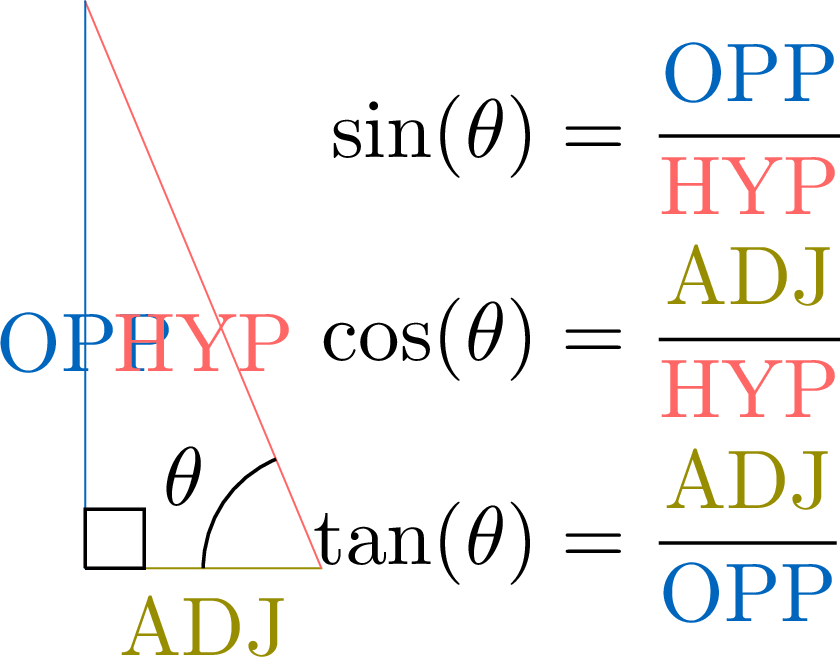
Pythagoras and Right-Angled Trigonometry

Transformations
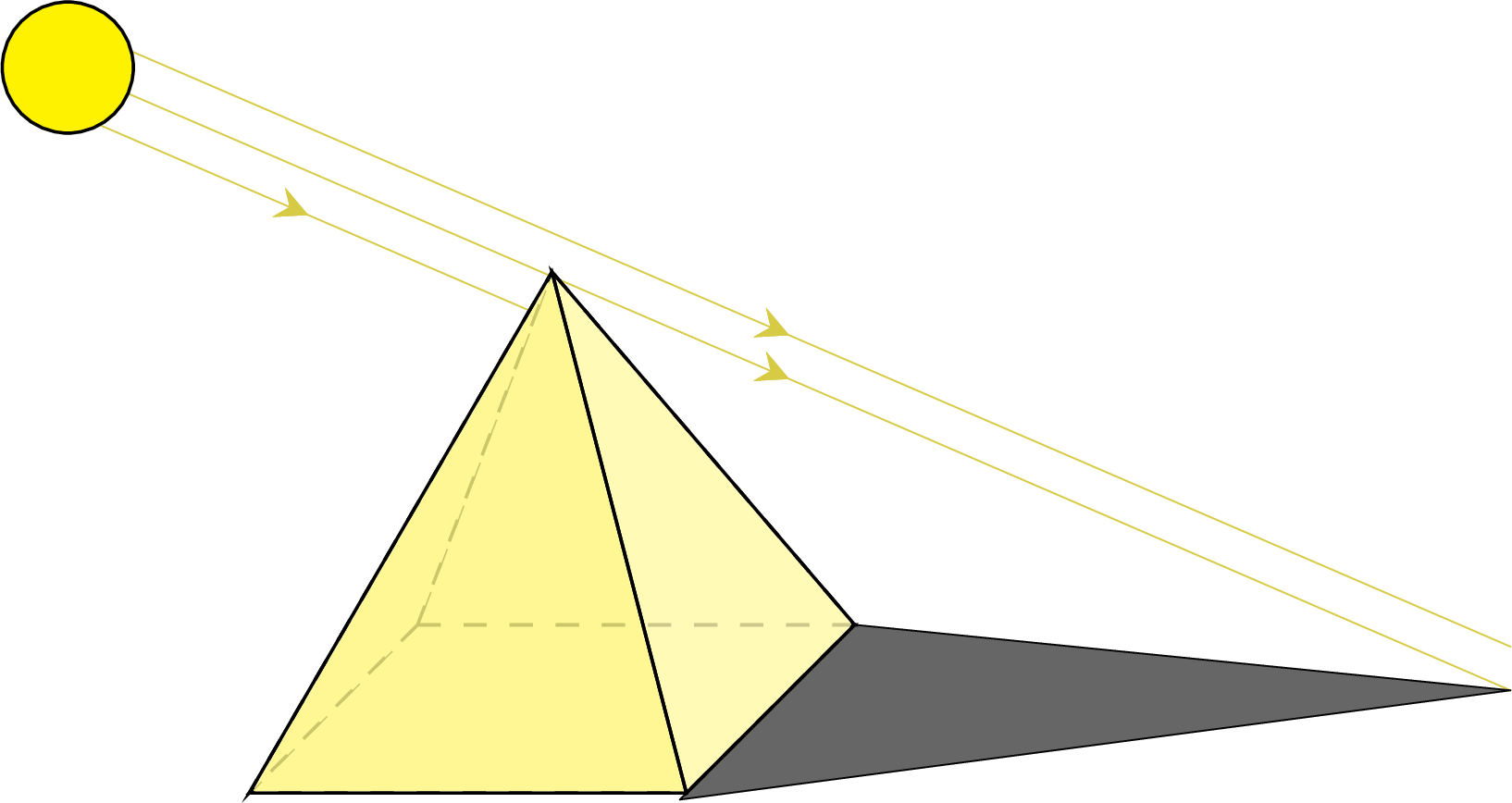
Similarity and Congruence
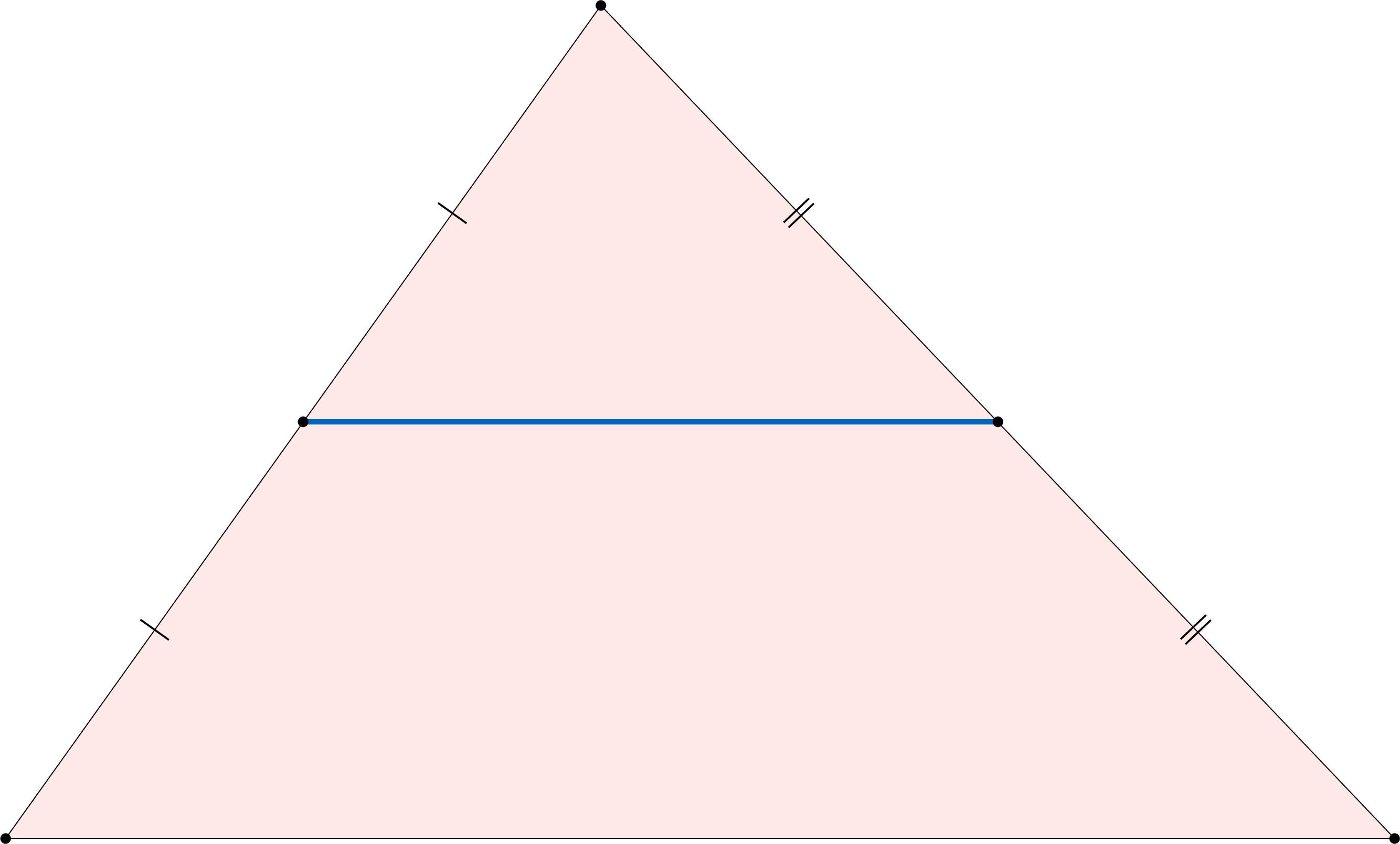
Deductive Geometry and Circle Theorems

Financial Mathematics
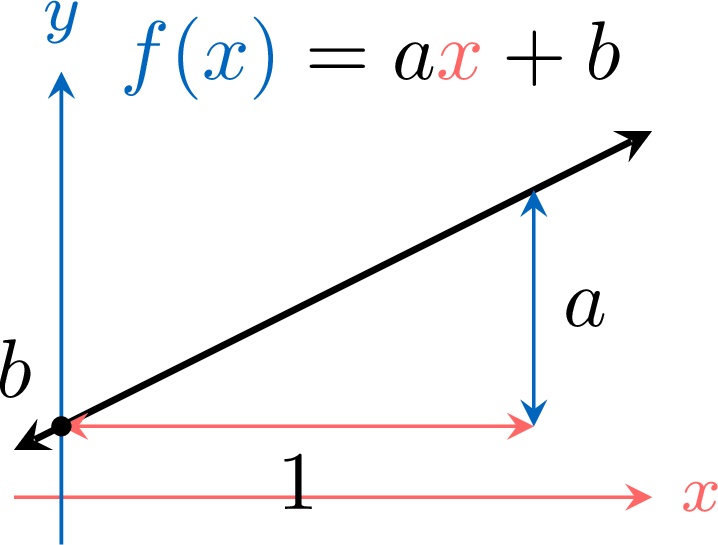
Direct and Inverse Proportion
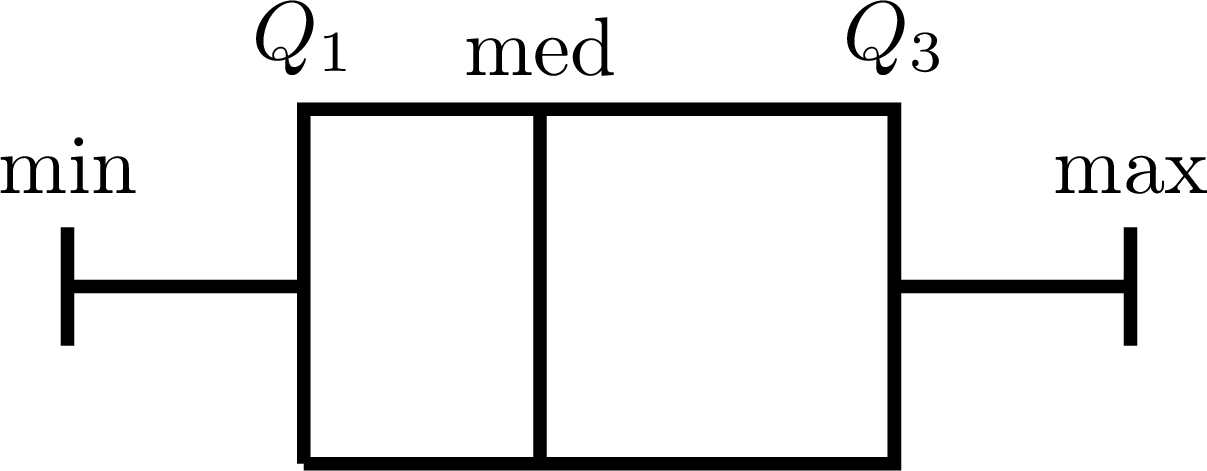
Statistics: Sampling, Spread and Cumulative Frequency
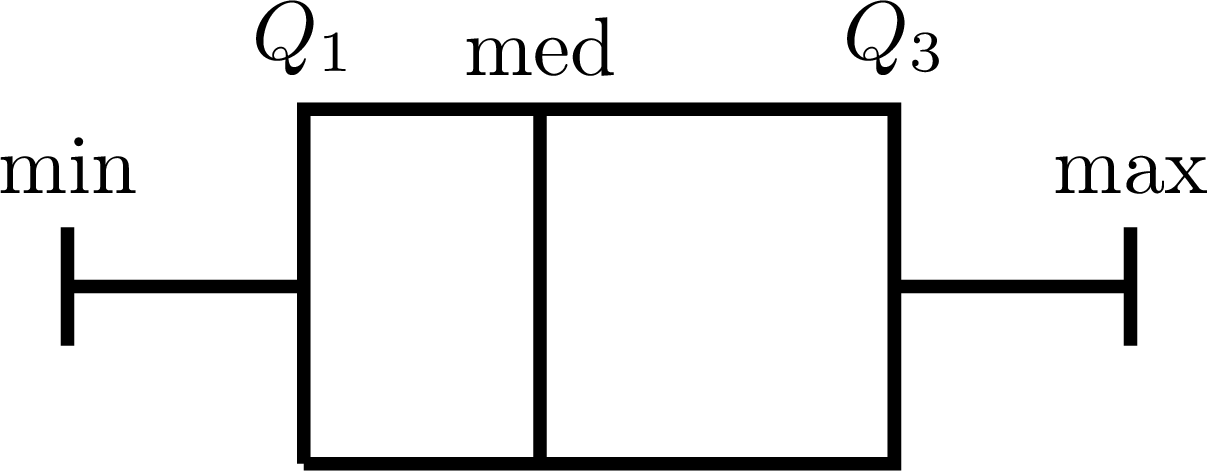
Box Plots and Comparing Data Sets

Probability
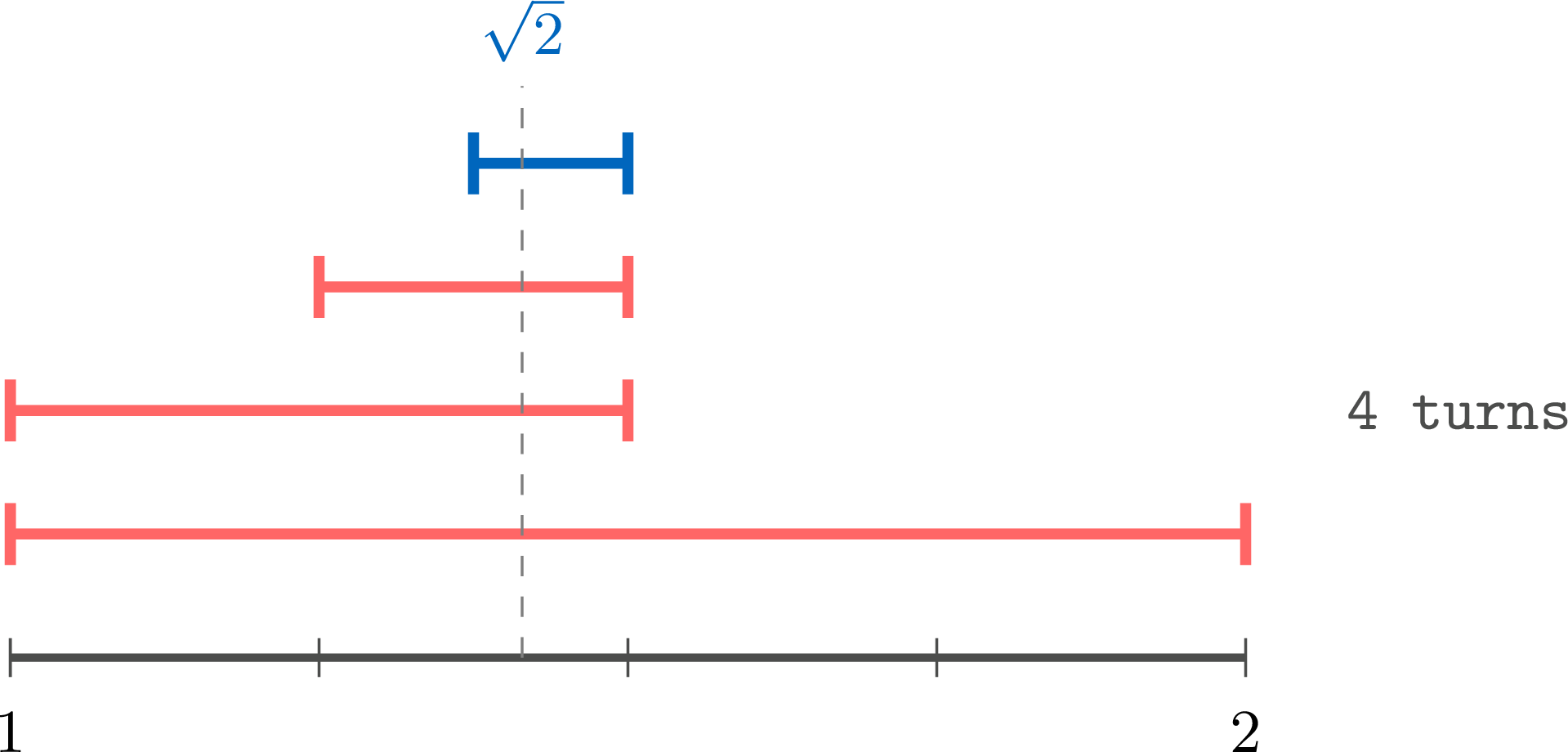
Algorithms
The programme
- Algebraic Expansion — Master the expansion of algebraic expressions. This module covers single and double distributive laws, the difference of two squares, and perfect square identities. Learn to transform factored forms into simplified sums using visual area models and step-by-step exercises.
- Exponents and Standard Form — Master exponents through positive, negative, and rational powers. Learn the six fundamental laws, simplify algebraic expressions, and apply the order of operations (PEMDAS). Includes scientific notation and real-world applications for a solid algebraic foundation.
- Radicals and Surds — Explore square and cube roots as inverse operations. This module covers perfect squares and cubes, radical laws (multiplication and division), and simplification techniques. Learn to calculate roots, use scientific rounding, and perform algebraic operations with like radicals.
- Sets, Number Sets and Intervals — Master number sets (N, Z, D, Q, R), interval notation, and absolute value. Covers set nesting, union/intersection, solving linear inequalities, and calculating distances on a number line through pedagogical lessons and structured exercises.
- Coordinate Geometry and Straight Lines — A comprehensive module on Line Equations, covering Slope (Gradient), the Slope Formula, and the y-Intercept. Explores Slope-Intercept (y=mx+c) and General Forms, graphing techniques, and relationships like Parallel and Perpendicular lines. Includes Perpendicular Bisectors, Intersections, and Angle of Inclination.
- Factorisation — Learn to reverse algebraic expansion through factorization. Master identifying common factors, applying the difference of squares identity, and recognizing perfect square trinomials. A crucial skill for simplifying expressions and solving equations using real numbers.
- Algebraic Fractions — Explore rational numbers through algebraic fractions. Master simplification, cross-multiplication, and arithmetic operations involving variables (x, x^2). Covers reciprocals, sign rules, and the fraction bar as a grouping symbol for evaluating complex algebraic expressions.
- Linear Equations, Inequalities and Formulae — Meet inequalities through an everyday question: from how many films onwards is the loyalty card the cheaper option? Learn to test whether a number is a solution, to represent the solutions on a number line with a full or a hollow circle and a half-line, to solve an inequality with the same operations as an equation, reversing the symbol when multiplying or dividing by a negative number, and to solve graphically by comparing two lines.
- Quadratic Equations — Master quadratic equations in standard form. This module covers coefficient identification, root verification, and solving methods: factoring, completing the square, and the quadratic formula. Learn to use the discriminant to determine the nature of roots through step-by-step exercises.
- Simultaneous Equations — Meet systems of two equations through a question with two unknowns: how many bicycles and how many tricycles are parked? Learn to check whether a pair is a solution, to read the solution as the intersection point of two lines, to solve by substitution and by elimination (and see that the bar model was already an elimination), to choose a method, to predict one solution, none or infinitely many from the slopes, and to set up and solve a system from a situation.
- Quadratic Functions — A comprehensive guide to quadratic functions (f(x)=ax^2+bx+c). Covers parabola features (vertex, axis of symmetry, intercepts), concavity, and the discriminant. Includes exercises on algebraic solving, graphical reading, and modeling real-world projectile motion and profits.
- Mensuration — Measure the parts of a circle. Find the length of an arc and the perimeter and area of a sector from its angle in degrees, work back to an angle or a radius, find the area of a segment cut off by a chord, and solve problems on composite figures made of sectors, segments and polygons.
- Pythagoras and Right-Angled Trigonometry — Learn right-triangle trigonometry through sine, cosine, and tangent ratios (SOH-CAH-TOA). This module covers side identification, calculating lengths and angles using inverse functions, and solving practical problems like roof trusses and lighthouse distances using a scientific calculator.
- Transformations — Comprehensive guide to geometric transformations: translation, reflection, rotation, and homothety. Learn coordinate mapping rules, vector use, and scaling factors. Includes exercises on finding image points, original objects, and transforming linear equations in the Cartesian plane.
- Similarity and Congruence — Covers similar triangles via the Angle-Angle (AA) criterion and Thales’s Theorem. Includes historical applications like measuring pyramids and practical stool modeling. Teaches length calculation using side ratios and how to structure formal geometric proofs.
- Deductive Geometry and Circle Theorems — Discover the midpoint theorem and its converse. Learn that the segment joining the midpoints of two sides of a triangle is parallel to the third side and half as long, prove it with parallelograms, use the converse to find midpoints without measuring, and reason with converse and contrapositive statements. Includes Varignon's parallelogram.
- Financial Mathematics — Learn the fundamentals of simple and compound interest. This module covers essential definitions like principal and rate, explains formulas for annual growth, and provides practical exercises to compare investment strategies and calculate total repayment amounts.
- Direct and Inverse Proportion — Master linear functions (f(x)=ax+b) and constant rates of change. Learn to identify the slope and y-intercept, model real-life scenarios like taxi fares, calculate images and preimages, and represent functions graphically using the slope-intercept method.
- Statistics: Sampling, Spread and Cumulative Frequency — Covers the statistical investigation process: posing questions, data collection (sampling, bias), analysis (mean, median, mode, standard deviation), and representation (bar, pie, box plots). Includes critical evaluation of claims and comparing distributions through five-number summaries.
- Box Plots and Comparing Data Sets — Covers the statistical investigation process: posing questions, data collection (sampling, bias), analysis (mean, median, mode, standard deviation), and representation (bar, pie, box plots). Includes critical evaluation of claims and comparing distributions through five-number summaries.
- Probability — Explore basic probability: outcomes, sample spaces, and Venn diagrams. Learn core axioms, addition and complement rules, and the multiplication rule for independent events. Includes practical exercises using tree diagrams, tables, and real-world experimental probability data.
- Algorithms — The classic algorithms of mathematics, studied as algorithms: bracketing a number by sweeping and by halving, and the first contrast of costs between the two; counting the divisors of a whole number and deciding whether it is prime by stopping at the square root; Euclid's algorithm for the greatest common divisor, with its ending and its rightness; deciding alignment and solving a two by two system without any loop; simulating a random experiment and reading a frequency. Traces, terminations and turns counted, for each of them.