PYP 0 mathematics
14 chapters, in the order of the programme: lessons, videos and worked exercises, free to start.


The programme
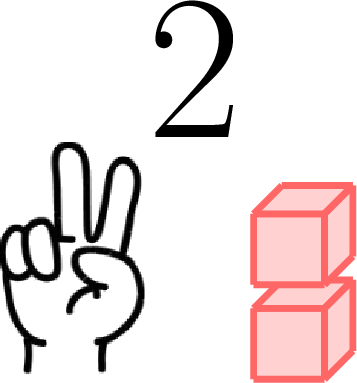
- Numbers to 5 — A foundational module on counting from 1 to 5. Introduces numbers using fingers, cubes, and ten-frames. Teaches the one-to-one correspondence method for counting objects and includes visual exercises to practice determining the cardinality of various sets.
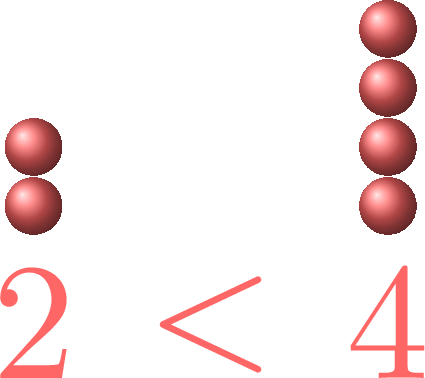
- Comparing Quantities — Learn to compare and order numbers using visual aids like cubes and ten-frames. Introduces the concepts of greater than, less than, and equal to, along with the symbols (<, >, =) and the "Alligator Mouth" mnemonic.
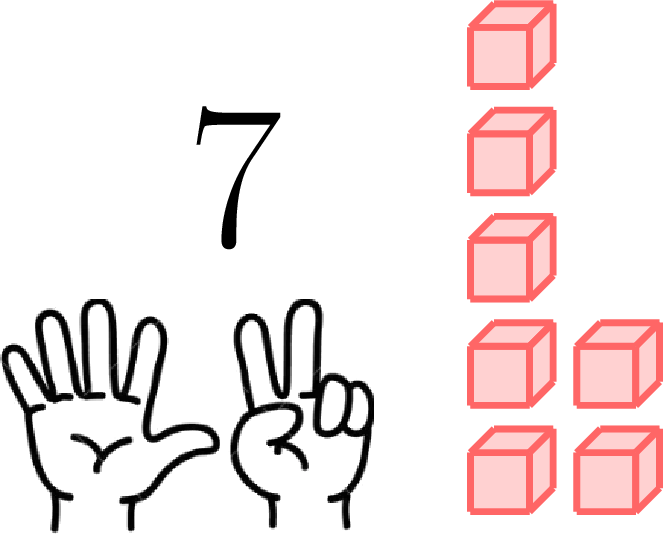
- Numbers to 10 — A comprehensive module on counting from 0 to 10. Introduces the concept of zero and uses visual aids like fingers, ten-frames, and blocks. Covers the number line, counting principles, and exercises for identifying quantities and converting number words.
- Order and Position — A comprehensive module on counting from 0 to 10. Introduces the concept of zero and uses visual aids like fingers, ten-frames, and blocks. Covers the number line, counting principles, and exercises for identifying quantities and converting number words.
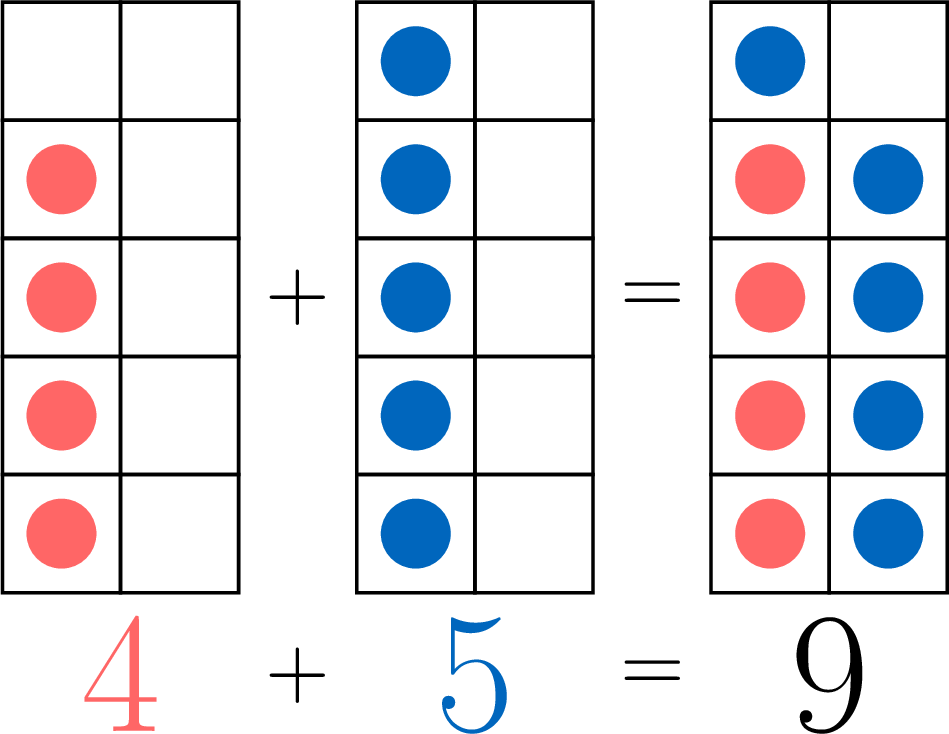
- Adding Within 10 — A complete module on addition within 10. Teaches strategies like "Counting All," "Counting On," and using the number line. Includes varied visual exercises with ten-frames, cubes, fingers, and fruits to reinforce the concept of sum and mathematical symbols.
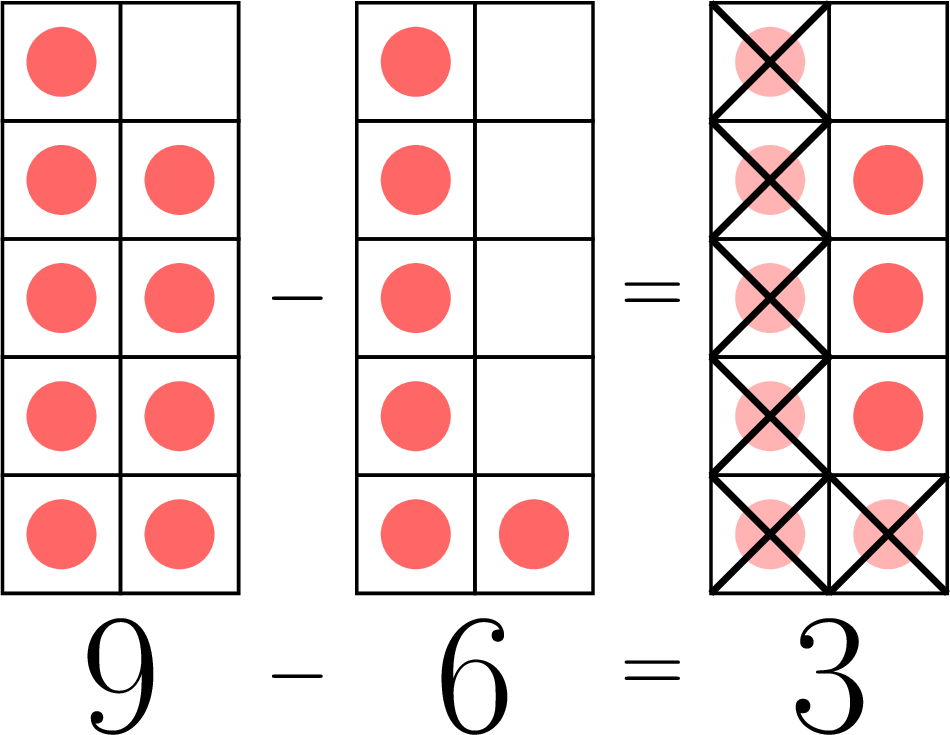
- Subtracting Within 10 — A complete module on subtraction within 10. Introduces the concept of "taking away" using visual aids like fingers, cubes, and ten-frames. Teaches strategies like crossing out items and jumping backward on the number line to find the difference.
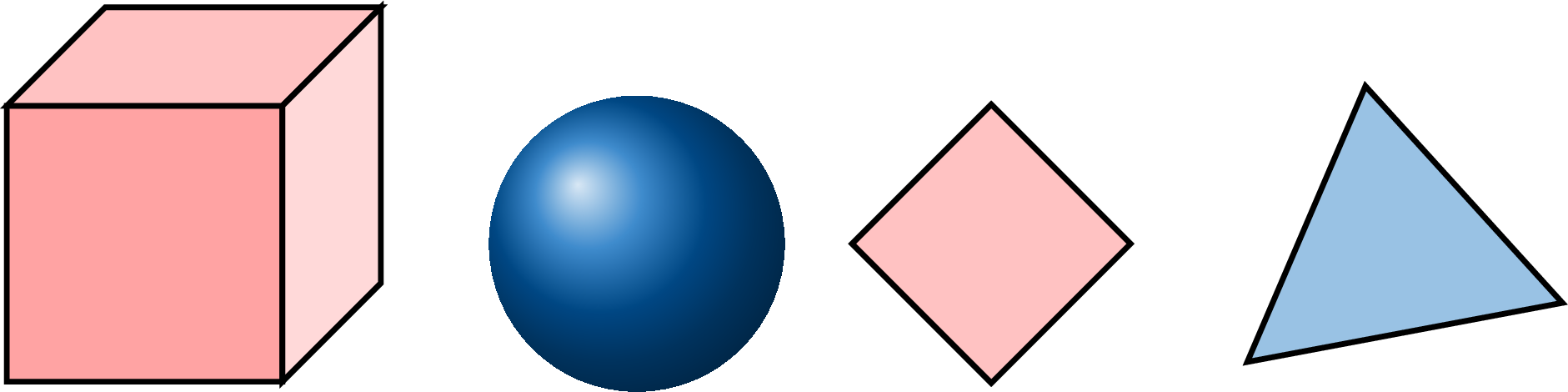
- Shapes and Solids — A first encounter with geometry for kindergarten: sorting objects by their shape, recognising the six solids (cube, box, ball, pyramid, cylinder, cone), naming the four plane shapes (square, rectangle, triangle, disc) in any orientation, and discovering footprints, where a flat face stamps a plane shape. Picture-based exercises with no reading required.
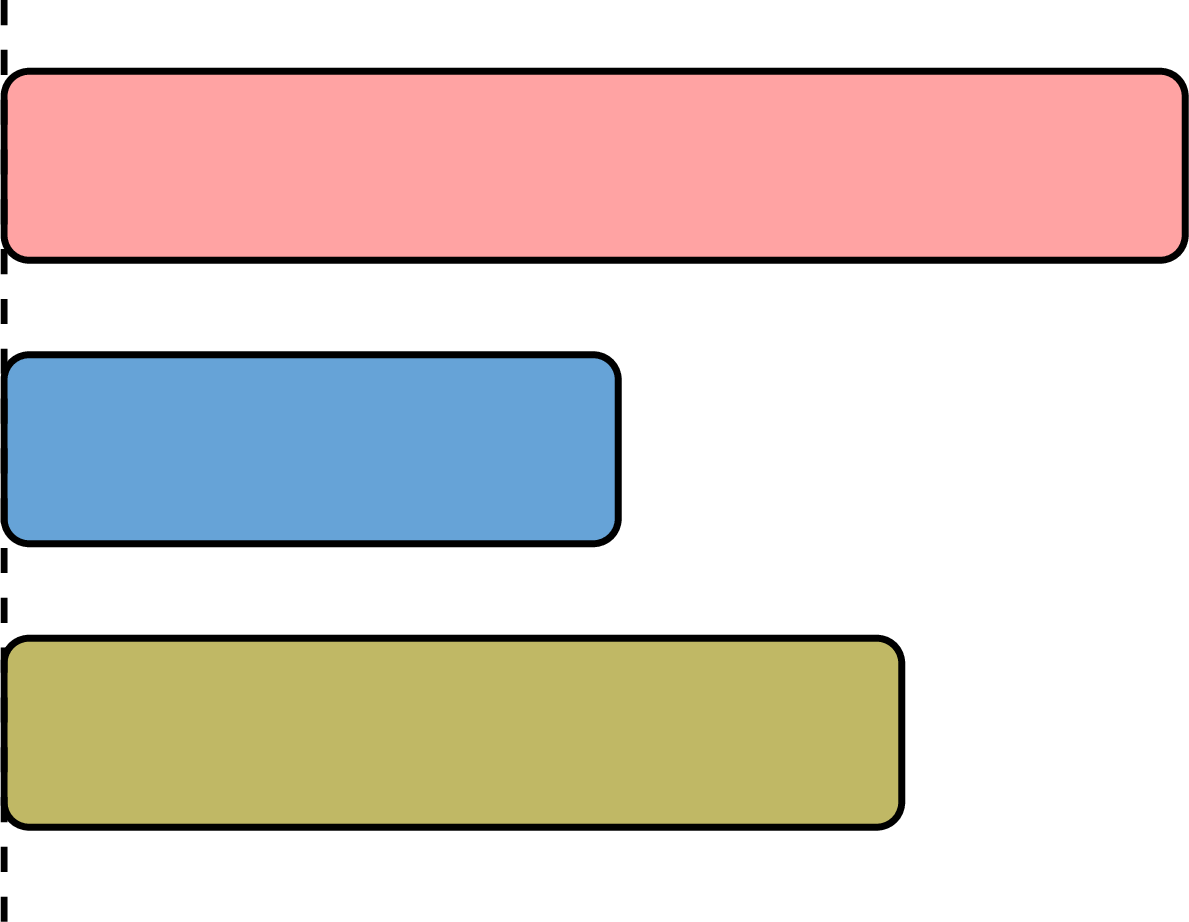
- Comparing Lengths — A first encounter with length for kindergarten: comparing two ribbons by lining up their beginnings (and spotting the offset-origin trap), the words longer, shorter and the same length, ordering up to five lengths like stairs, and comparing two objects that cannot be moved with a paper strip. Picture-based exercises with no reading required.
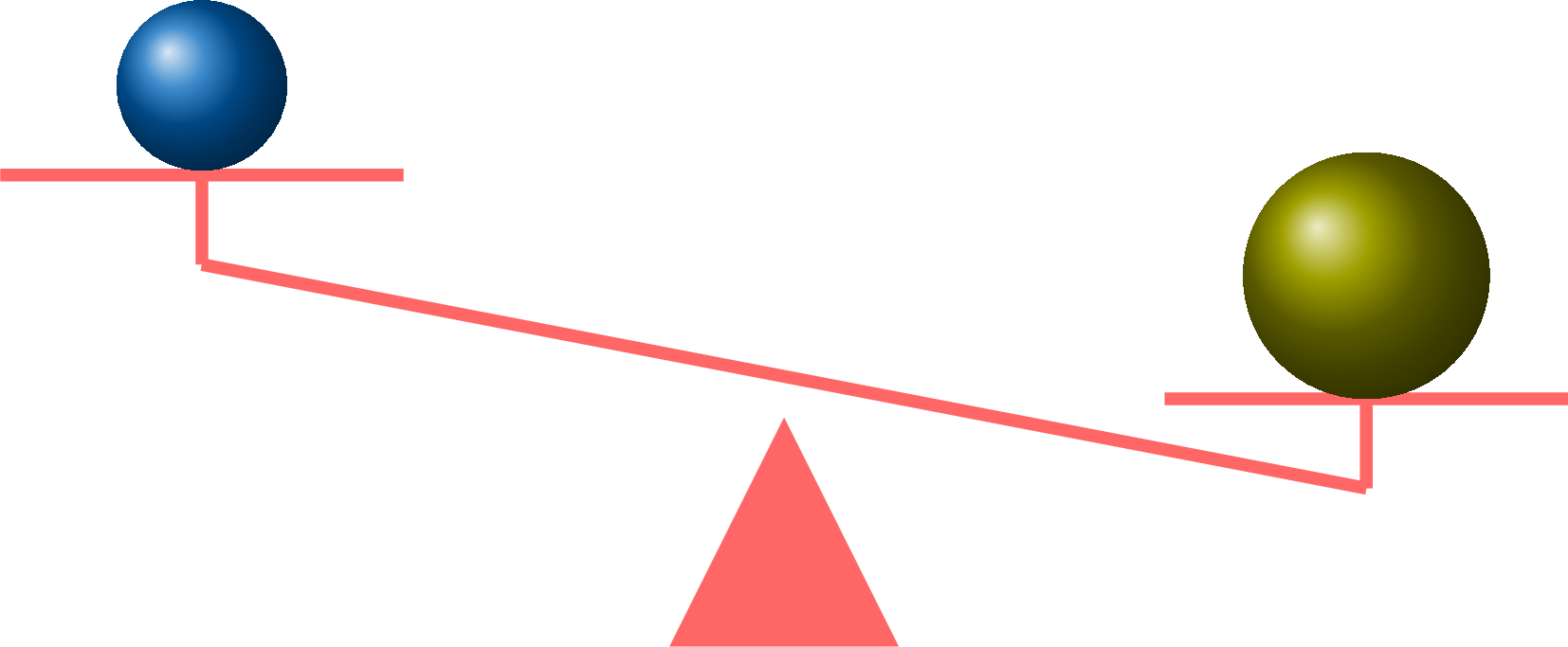
- Comparing Masses — A first encounter with mass for kindergarten: feeling which object is heavier, reading the balance (the pan that goes down holds the heavier object), ordering three masses with two weighings and the first deductive reasoning (heavier than, without weighing them together), and discovering that the bigger one is not always the heavier one. Picture-based exercises with no reading required.
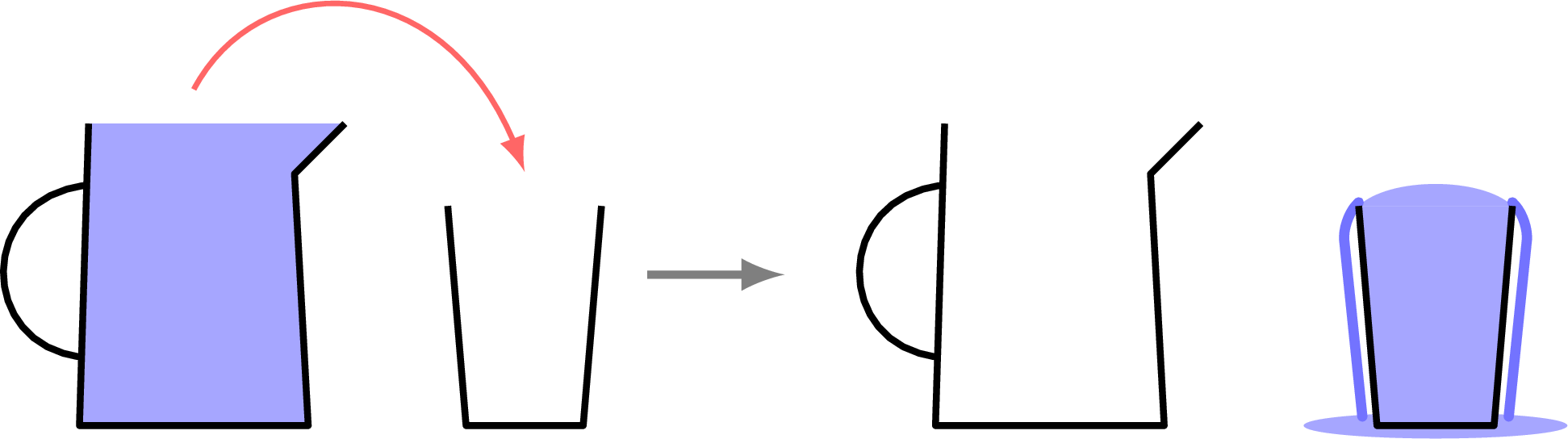
- Comparing Capacities; Hotter or Colder — A first encounter with how much a container holds: full, empty and overflowing; comparing two containers by filling the first to the brim and pouring all of it into the second, empty one (it overflows, it is not full, it is just full); ordering three containers with two pourings and a first deduction; and discovering that the taller container does not always hold more. No unit and no counting: picture-based exercises with no reading required.
- Patterns — A first encounter with patterns for kindergarten: reading a repeating pattern like a little song, continuing it, completing a hidden piece, spotting the intruder, and from age five discovering that the same pattern can wear different clothes (the same song with fruits or with shapes) and that some patterns grow. Picture-based exercises with no reading required.
- Time and Daily Routines — An introductory module on time for beginners. It covers the cycle of day and night, parts of the day (morning, noon, afternoon, evening), and the sequence of the seven days of the week. Includes visual exercises to identify daily activities and time periods.
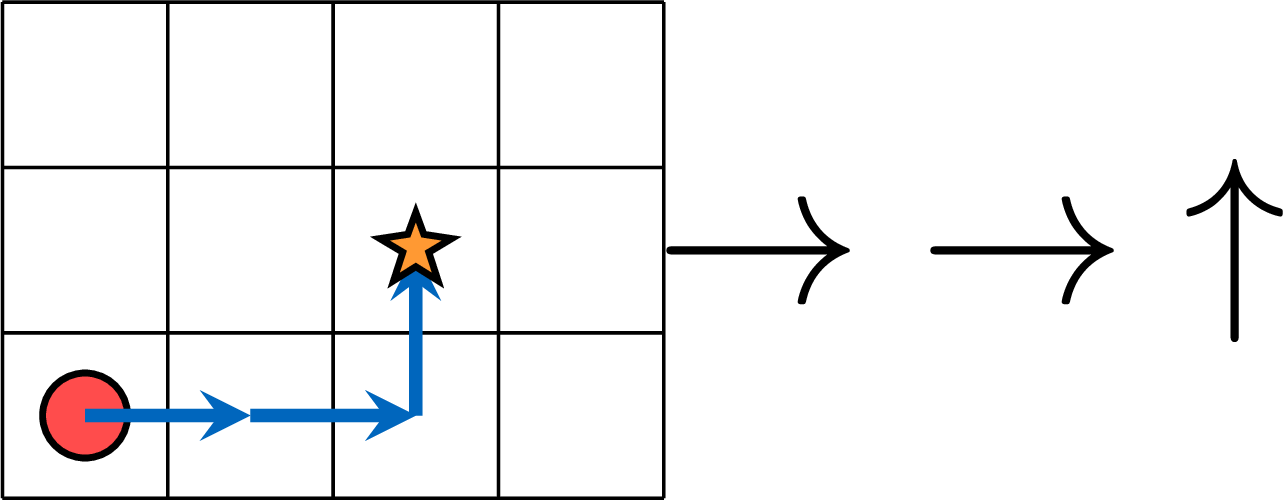
- Position and Paths — A first encounter with space for kindergarten: the position words (in front, behind, between, in the middle, inside, outside), your own left and your own right (and the mirror surprise when a friend faces you), the plan of a room seen from above like a little bird, and coding a path on a grid with arrows. Picture-based exercises with no reading required.
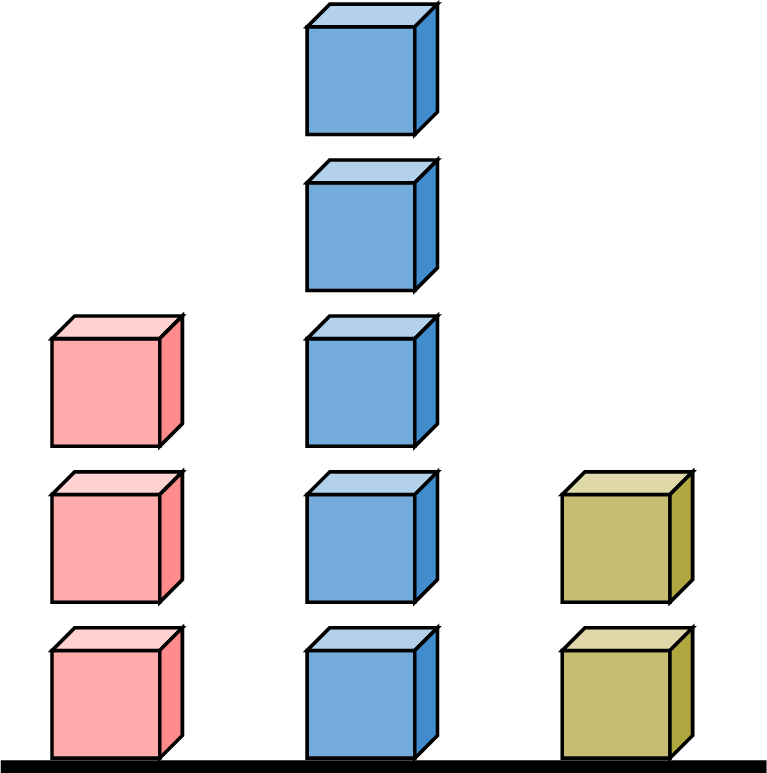
- Sorting, Picture Graphs and Chance — Sorting objects by one rule — the same colour, the same size or the same shape — with a label card for each group, and finding the odd one out; then first graphs of real objects: a living graph of the children themselves, one object, cube or picture for each thing counted, all columns starting on the same line, the tallest column has the most, and how many more by matching. Picture-based exercises with no reading required.