DP 2: Applications and Interpretation HL mathematics
23 chapters, in the order of the programme: lessons, videos and worked exercises, free to start.

Vectors
Vector Applications
Complex Numbers

Matrices

Eigenvalues and Eigenvectors

Markov Chains

Affine Transformations

Graph Theory

Voronoi Diagrams
Introduction to Differential Calculus
Rules of Differentiation
Properties of Curves
Applications of Differentiation
Integration
Areas and Volumes

Kinematics
Differential Equations

Coupled Differential Equations

Discrete Random Variables
The Normal Distribution
Estimation and Confidence Intervals

Hypothesis Testing
Chi-squared Tests
The programme
- Vectors — A comprehensive module on Vector Algebra bridging geometry and algebra. Covers components in 2D/3D, operations (addition, scalar multiplication), Chasles' relation, and magnitude. Includes exercises on translations, parallelogram properties, and collinearity tests using determinants.
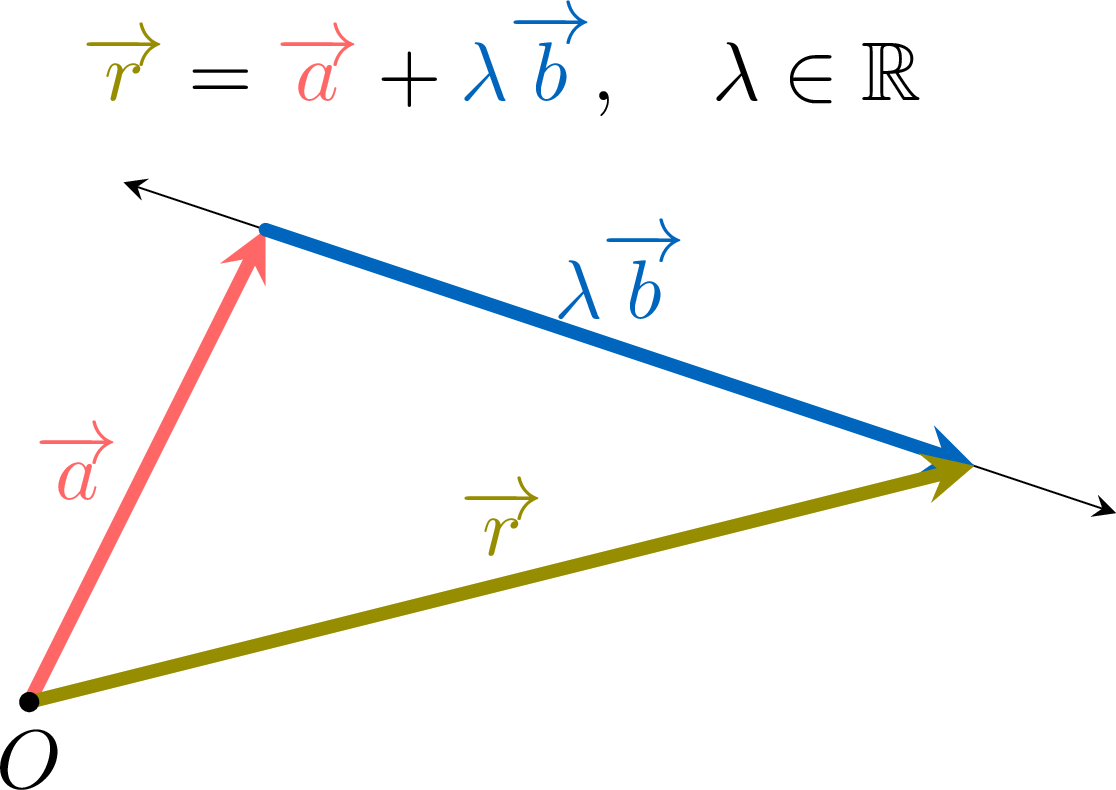
- Vector Applications — A comprehensive module on vector equations of lines in 2D and 3D. Covers the relationship between vector, parametric, and Cartesian forms, finding points on lines, and plotting them. Includes methods for calculating the shortest distance from a point to a line using dot and cross products.
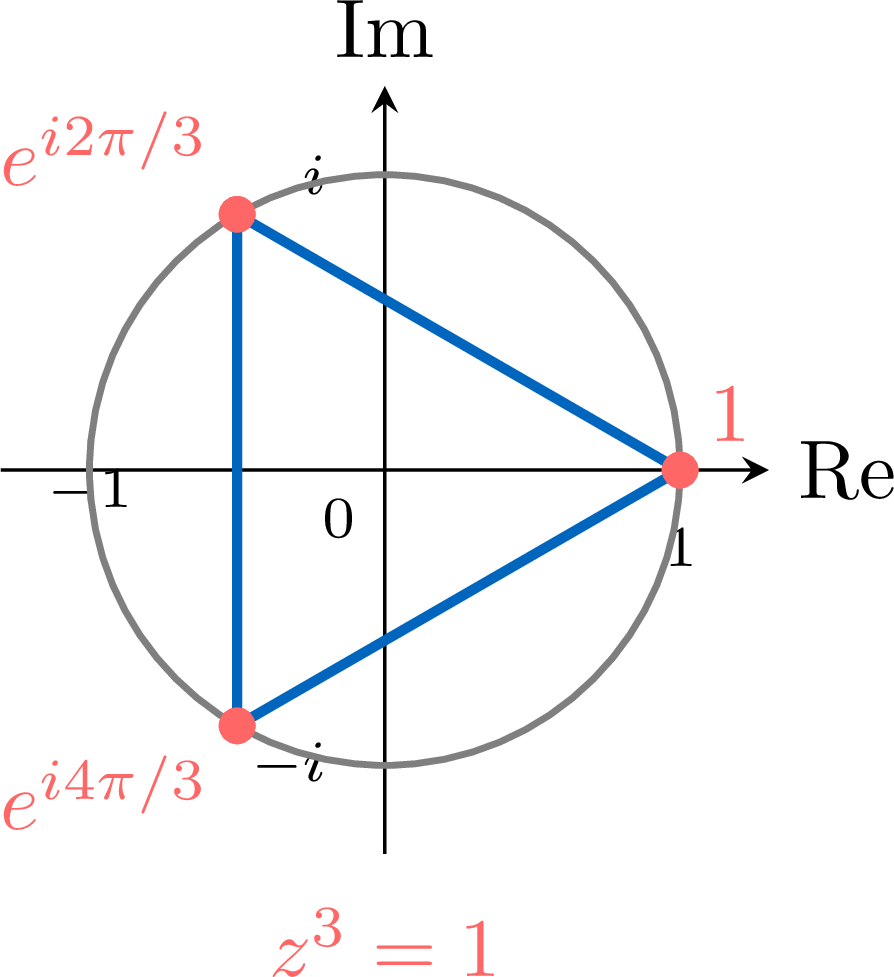
- Complex Numbers — Explore complex numbers geometrically in the complex plane. Master modulus, argument, and Euler's form. Learn De Moivre's theorem for powers and roots. Visualize transformations like rotations and identify geometric loci such as circles and perpendicular bisectors.
- Matrices — Introduction to matrix algebra: structure, special matrices (identity, zero), and operations (addition, multiplication). Covers determinant-based inversion for 2x2 matrices and solving linear systems using the inverse matrix method (Ax=B).
- Eigenvalues and Eigenvectors — Learn to simplify matrix operations through diagonalisation. This module covers finding eigenvalues and eigenvectors, solving the characteristic equation, and efficiently computing high powers of 2x2 matrices using the A = PDP⁻¹ decomposition.
- Markov Chains — Comprehensive module on Markov Chains covering stochastic modeling, transition diagrams, and matrix representation. Learn to calculate future probabilities ($s_n=T^n s_0$) and find steady states using algebraic methods. Ideal for understanding long-term system stability and trends.
- Affine Transformations — A deep dive into 2D geometric transformations using matrices. Covers linear mappings (rotation, reflection, scaling), translations, and affine combinations. Learn to compute composite transformations and use the determinant as an area scale factor through step-by-step exercises.
- Graph Theory — Comprehensive guide to Graph Theory covering connectivity, adjacency matrices, and trees. Learn to solve optimization problems using Prim's, Kruskal's, and Nearest Neighbour algorithms. Includes real-world applications like the Chinese Postman and Travelling Salesman problems.
- Voronoi Diagrams — Explore Voronoi diagrams: sites, regions, and vertices. Learn construction using perpendicular bisectors and the incremental algorithm. Covers applications like nearest neighbor interpolation and the Toxic Dump Problem to find the center of the largest empty circle.
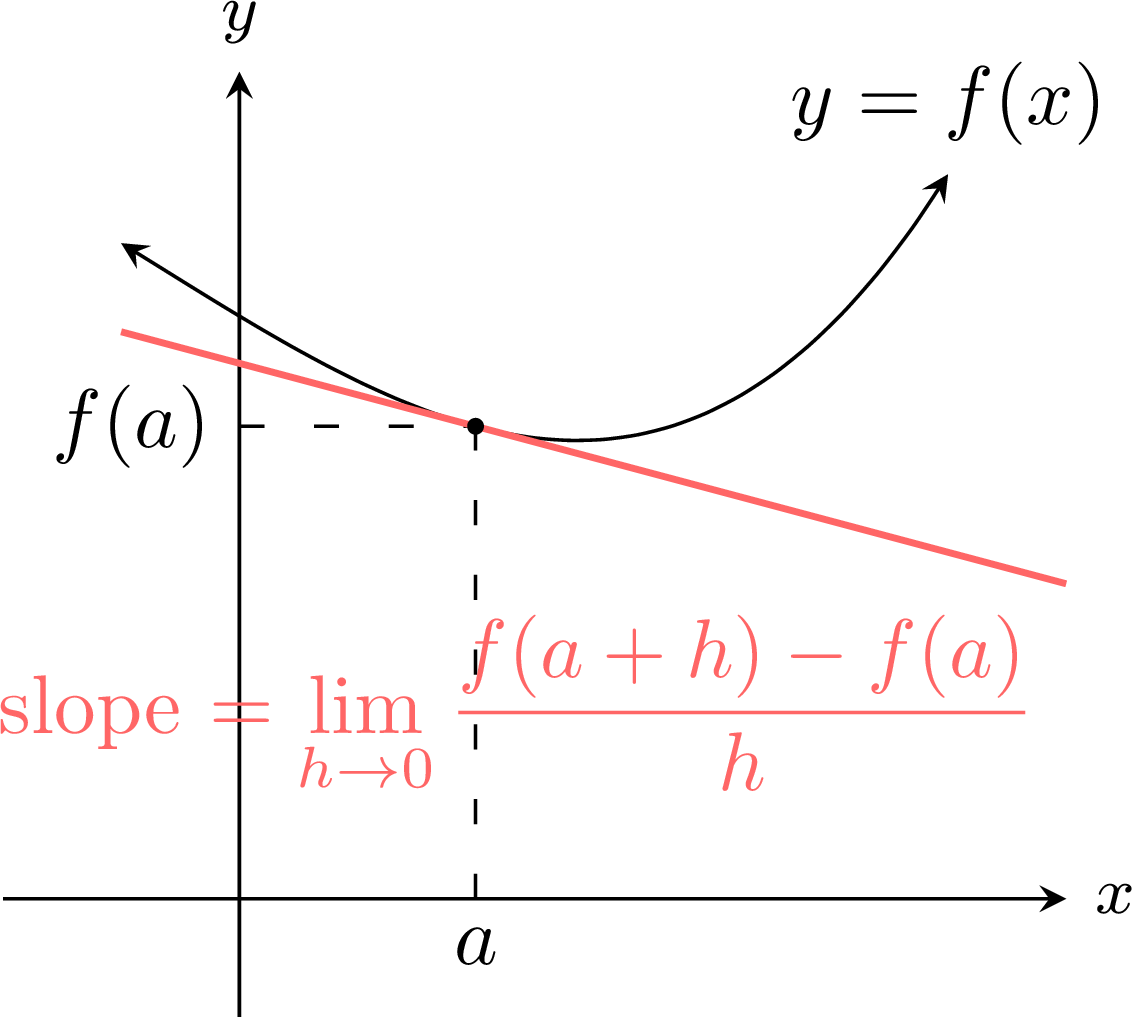
- Introduction to Differential Calculus — A comprehensive module on Differential Calculus. Covers the definition of the derivative via limits and rates of change, differentiation rules (Power, Sum, Chain, Product, Quotient), and finding derivatives from first principles.
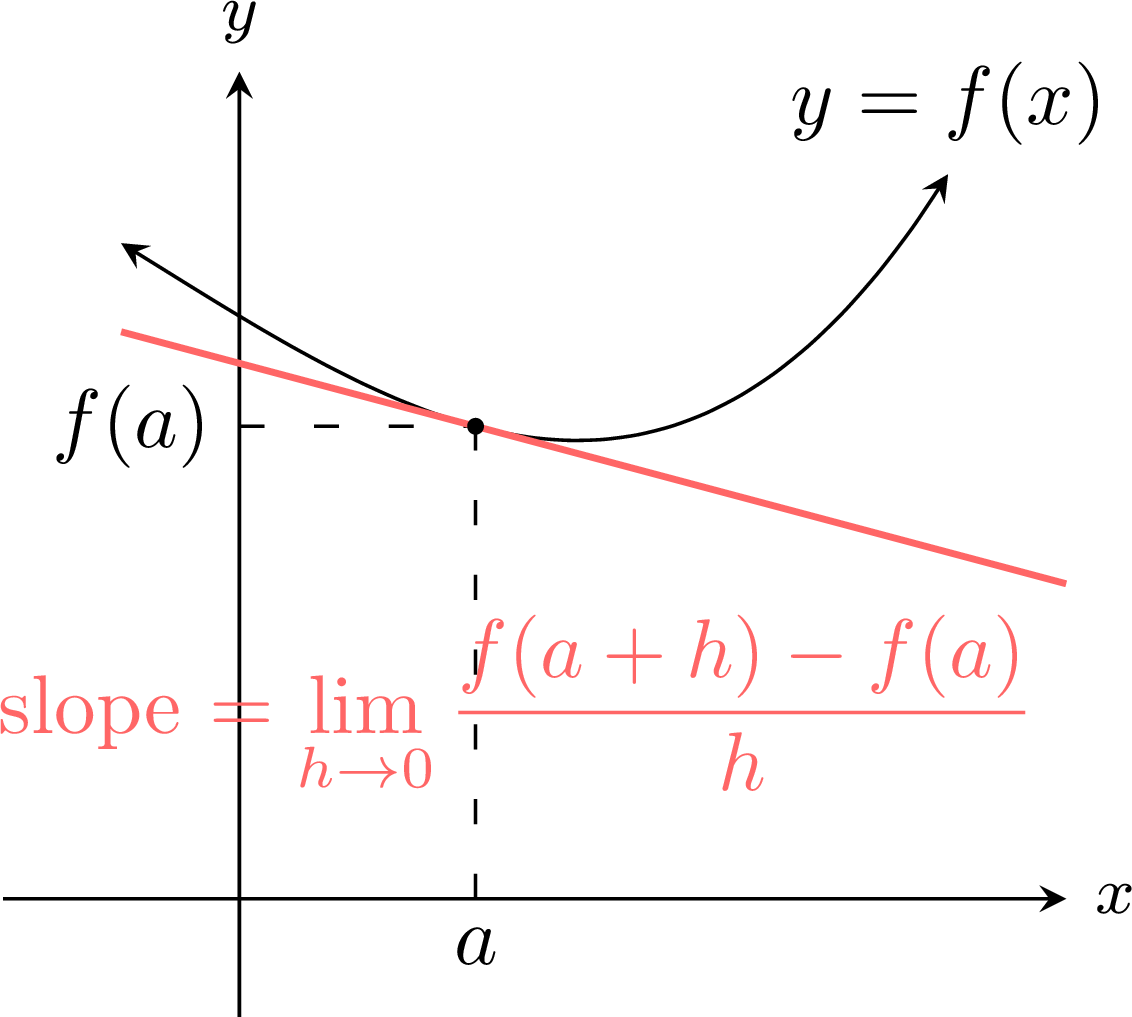
- Rules of Differentiation — A comprehensive introduction to differential calculus. Master the limit definition of derivatives (first principles), differentiability, and essential rules: Chain, Product, Quotient, and Implicit. Covers standard functions, second derivatives, and L'Hôpital's Rule for indeterminate forms.
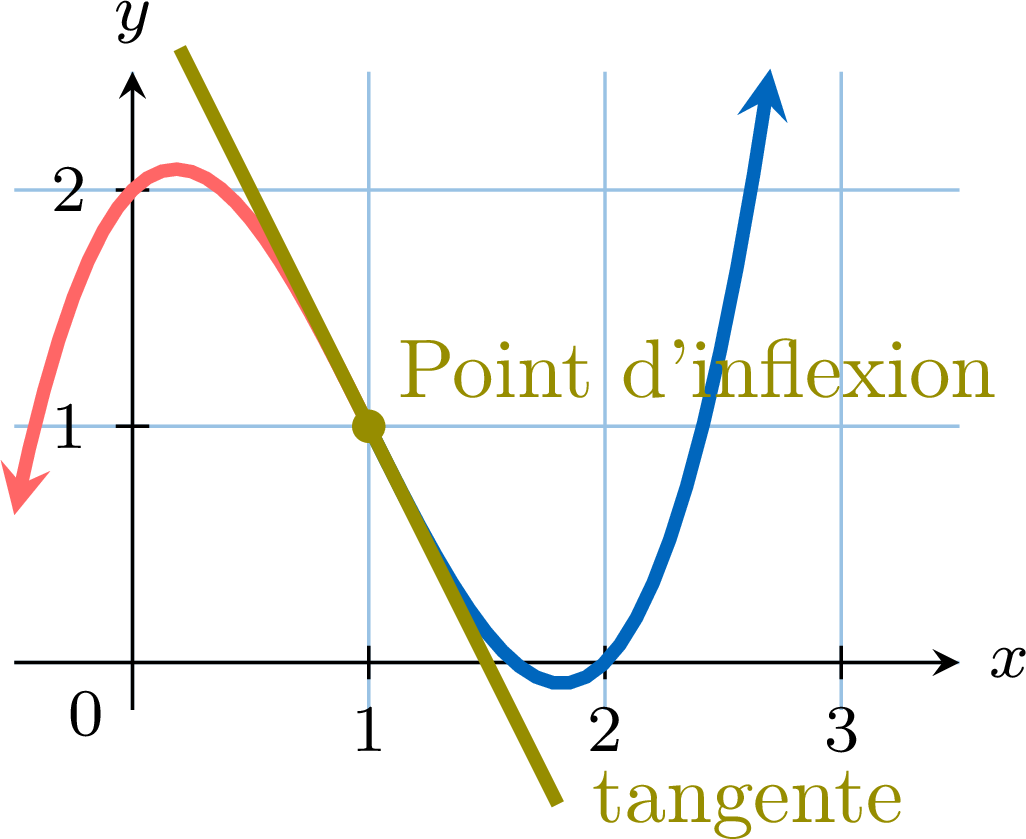
- Properties of Curves — Master the geometric analysis of curves using derivatives. This module covers finding equations for tangents and normals, determining intervals of increase and decrease, identifying local and global extrema, and analyzing concavity and points of inflection using second derivatives.
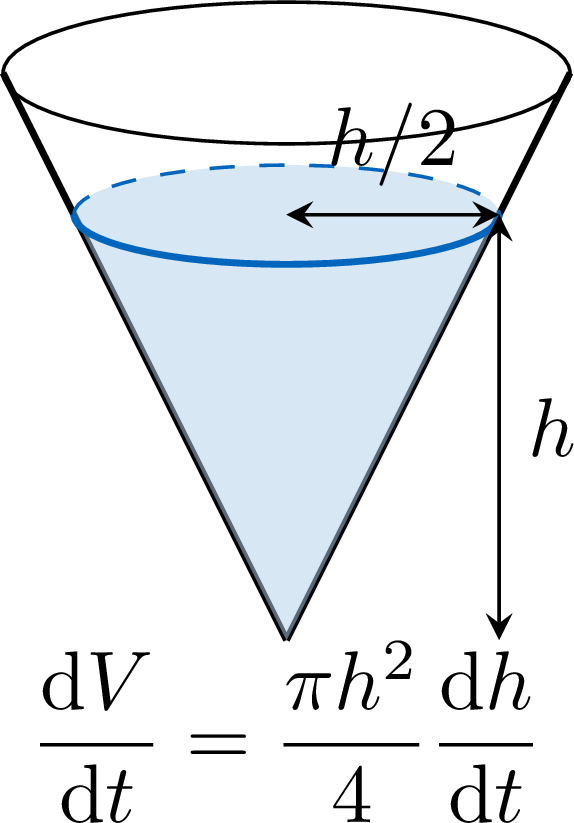
- Applications of Differentiation — Apply differential calculus to solve optimization and related rates problems. Learn to model and maximize geometric quantities, interpret stationary points, and calculate instantaneous rates of change in physical contexts like thermodynamics and fluid dynamics.
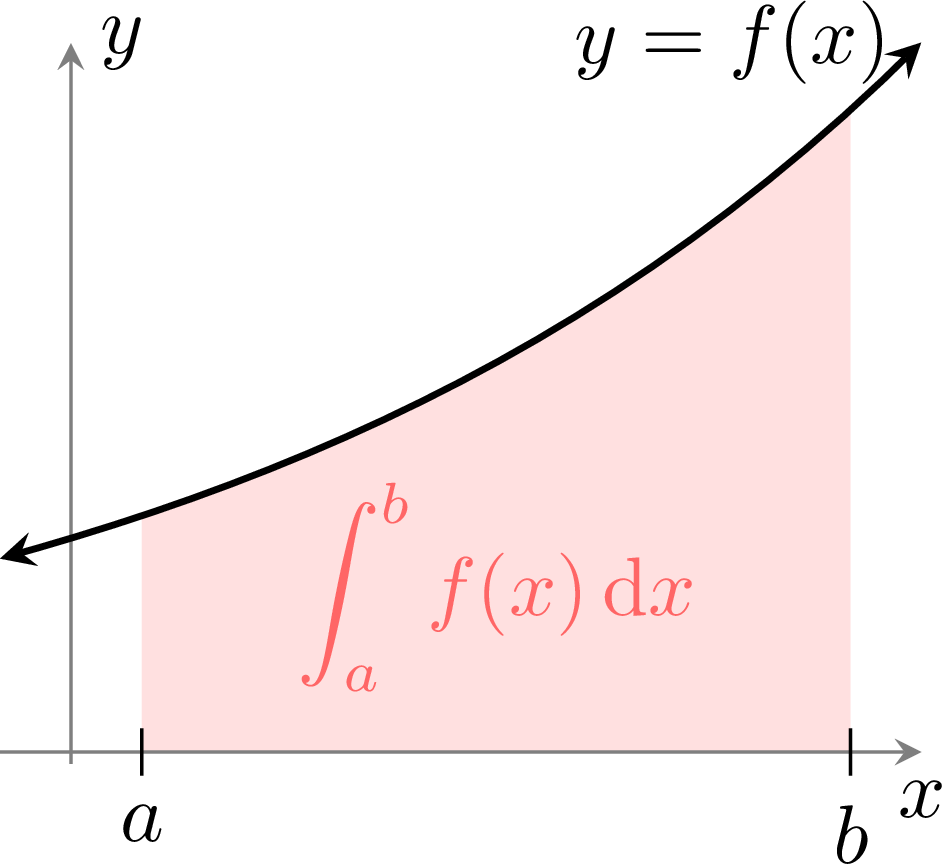
- Integration — A comprehensive study of Integrals: from Riemann sums and area approximations to the Fundamental Theorem of Calculus. Covers signed area, properties like Chasles's relation, and key techniques including integration by substitution and by parts, with geometric and algebraic applications.
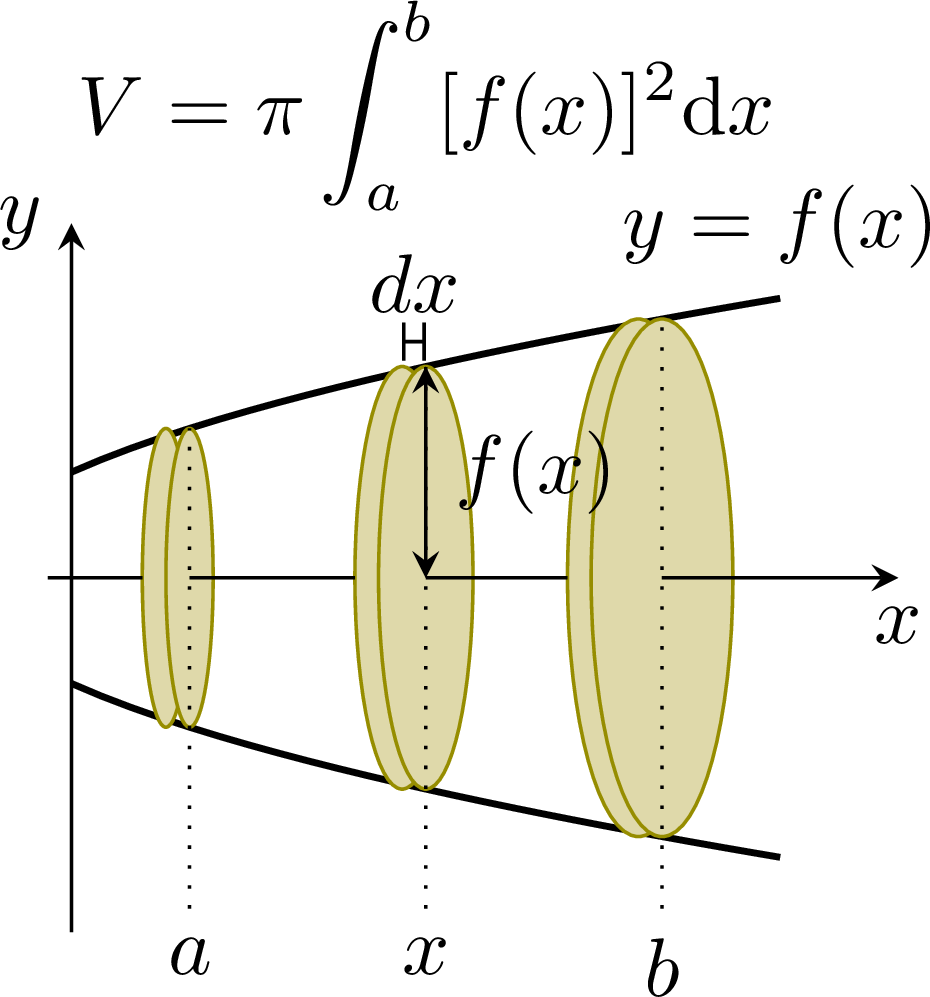
- Areas and Volumes — This module covers geometric applications of integration. Learn to calculate total geometric area by splitting integrals, find the area enclosed between two curves, and compute volumes of revolution using the disk method around both the x and y axes. Includes sphere and cone derivations.
- Kinematics — Master kinematics along a straight line using calculus. This module covers the relationships between displacement, velocity, and acceleration through differentiation and integration. Learn to calculate average and instantaneous rates of change, total distance, and analyze motion graphs.
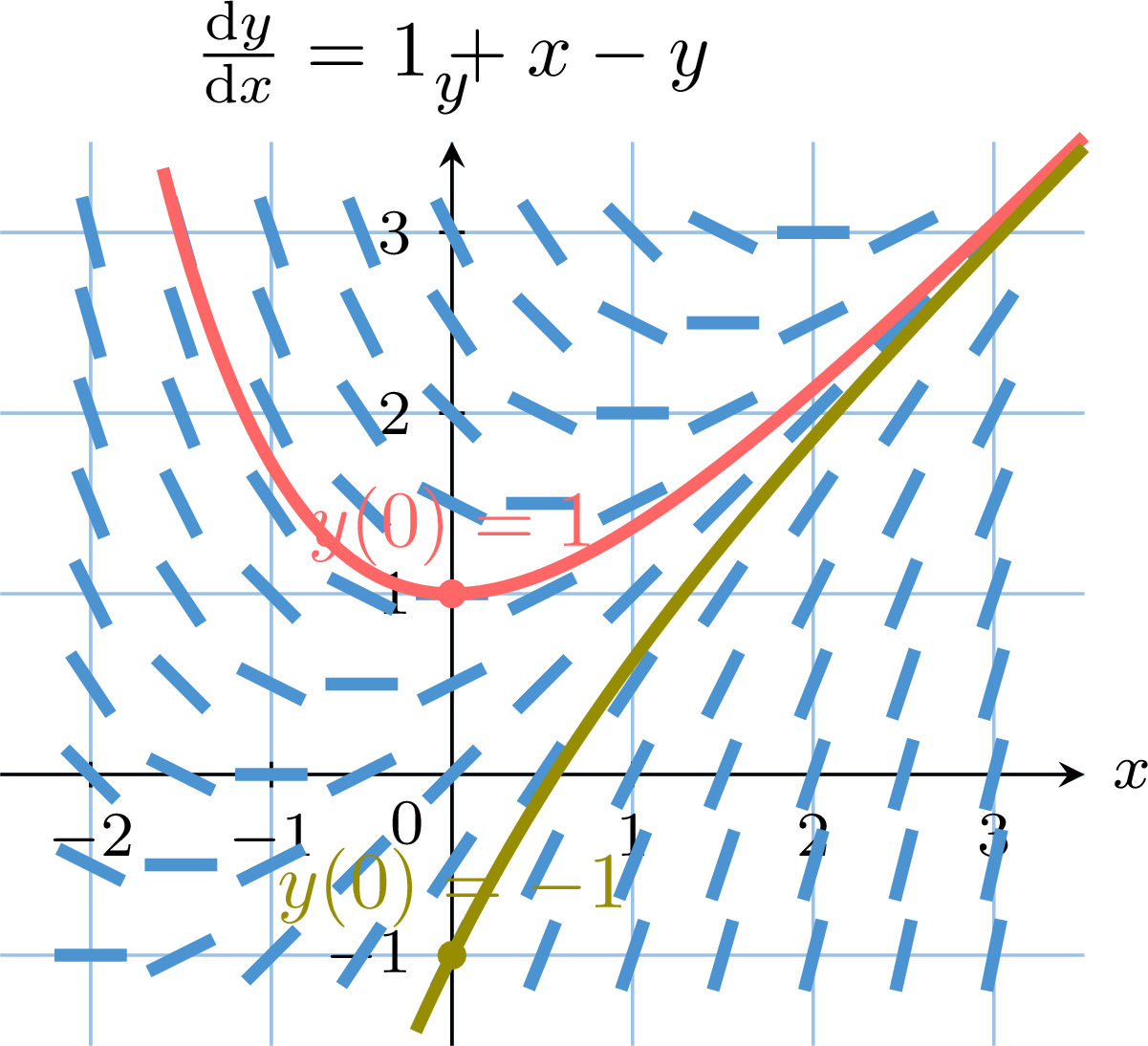
- Differential Equations — Master first and second-order differential equations. Explore exact analytical solutions (separation of variables, integrating factor, substitution) and numerical approximations (Euler’s method). Includes slope fields, logistic growth, Maclaurin series solutions, and modeling of physical phenomena.
- Coupled Differential Equations — Explore interacting variables through coupled differential equations. Learn to find equilibrium points, visualize dynamics with phase portraits, and solve linear systems using eigenvalues and eigenvectors. Includes second-order reduction and Euler’s numerical method for non-linear systems.
- Discrete Random Variables — Comprehensive guide to discrete random variables, probability distributions, and statistical measures (expectation, variance, SD). Explores uniform, Bernoulli, and binomial models with real-world applications in risk management and decision-making through tables and graphs.
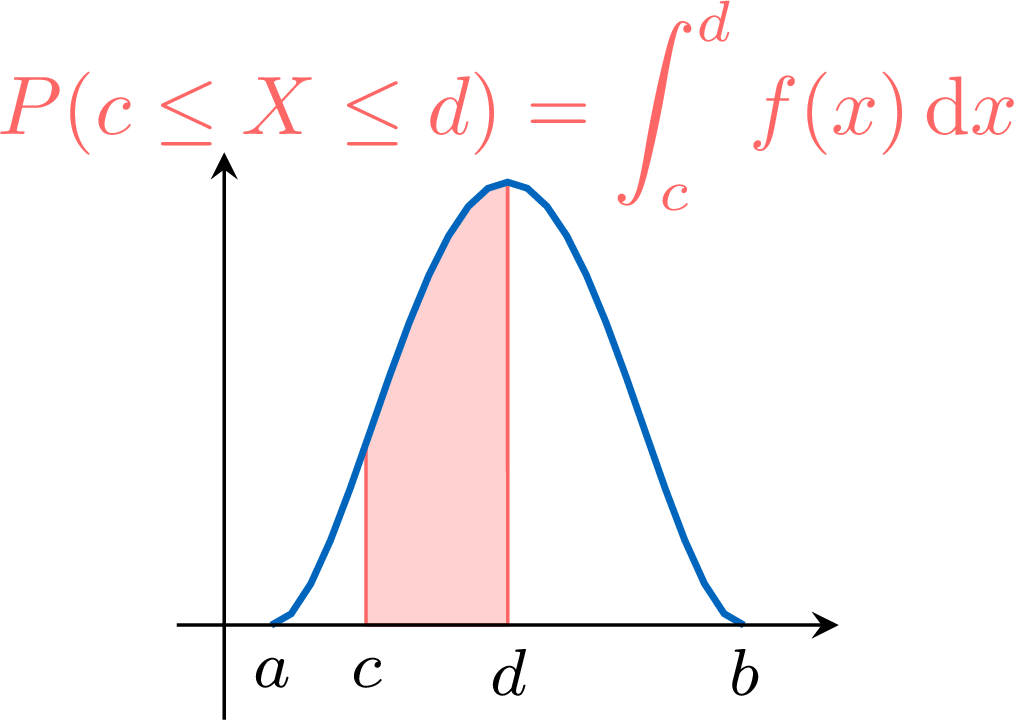
- The Normal Distribution — Introduction to continuous random variables and probability density functions. Covers uniform and normal distributions, including the empirical rule and quantiles. Teaches integration for expectation/variance and uses real-world examples like medical testing and task completion times.
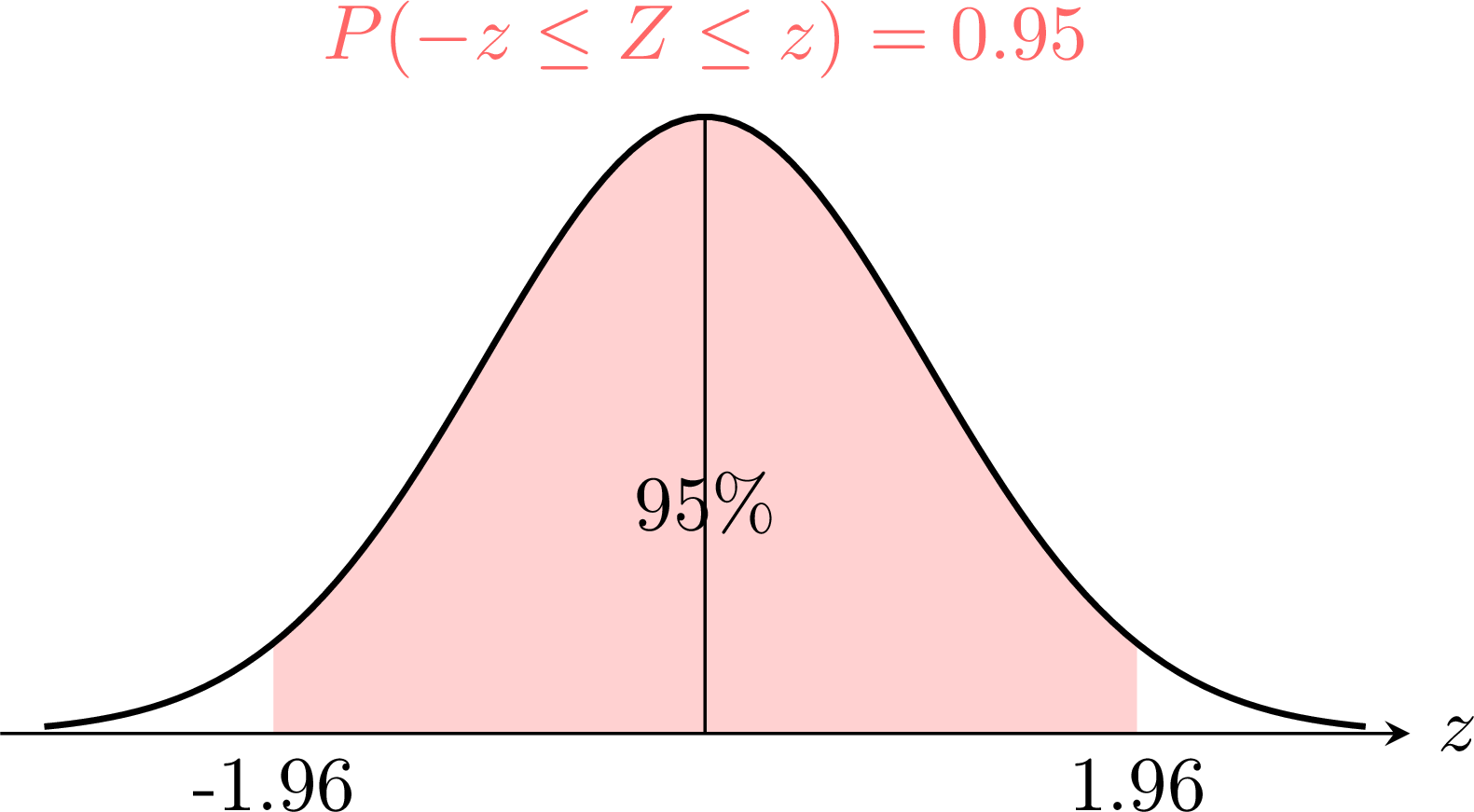
- Estimation and Confidence Intervals — A comprehensive guide to statistical inference. Covers random samples, unbiased estimators, and constructing confidence intervals for means and proportions. Includes hypothesis testing via intervals and calculating required sample sizes for specific margins of error.
- Hypothesis Testing — A comprehensive module on hypothesis testing. Covers null and alternative hypotheses, p-values, and Type I/II errors. Includes step-by-step procedures for one-sample, two-sample, and paired t-tests, alongside Chi-squared tests for independence and goodness of fit.
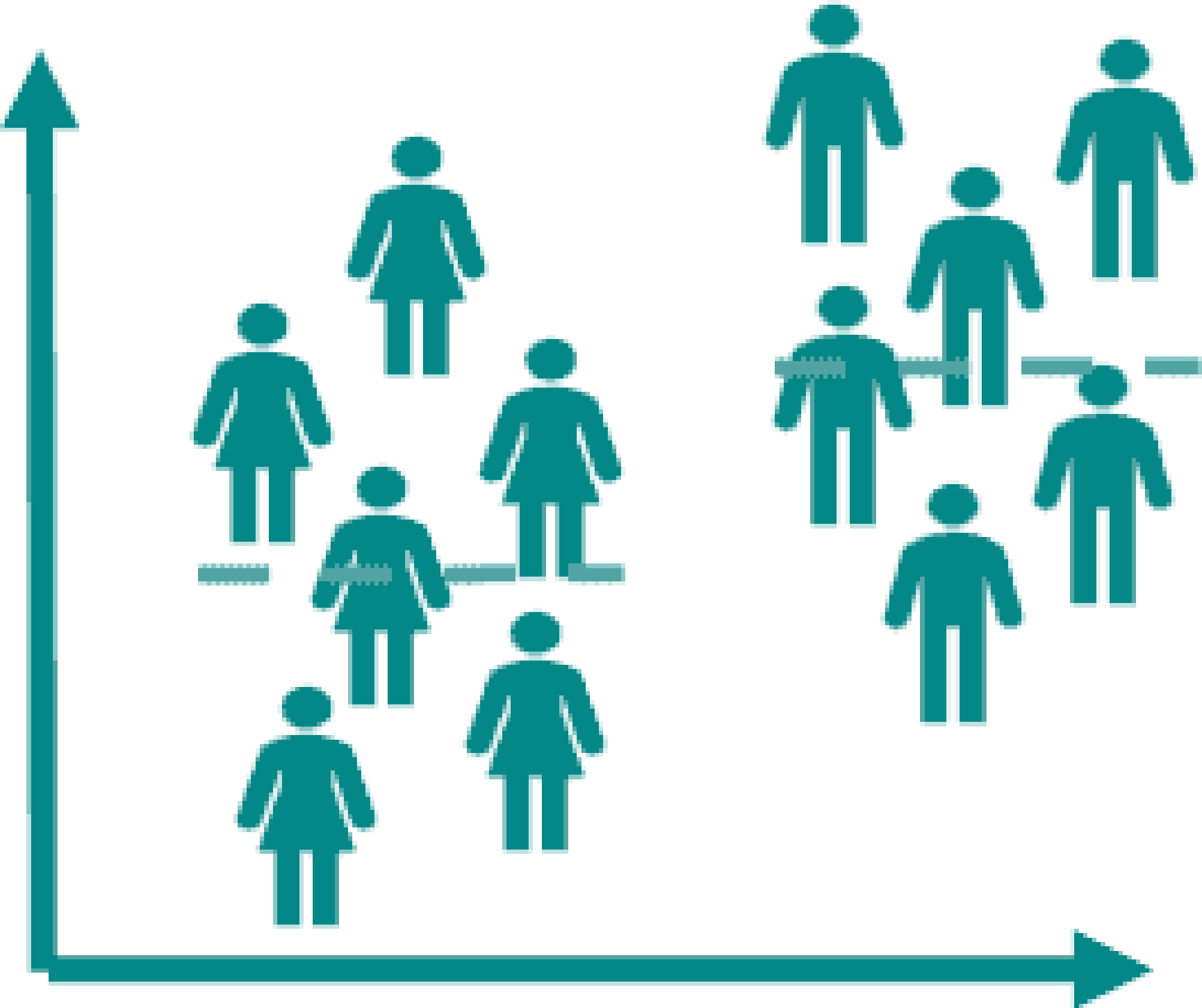
- Chi-squared Tests — A comprehensive module on hypothesis testing. Covers null and alternative hypotheses, p-values, and Type I/II errors. Includes step-by-step procedures for one-sample, two-sample, and paired t-tests, alongside Chi-squared tests for independence and goodness of fit.