DP 2: Analysis and Approaches HL mathematics
20 chapters, in the order of the programme: lessons, videos and worked exercises, free to start.

Reasoning and Proof

Proof by Mathematical Induction

Systems of Linear Equations

Vectors
Lines and Planes in Space
Complex Numbers: Polar and Euler Forms
Limits and Continuity
Introduction to Differential Calculus
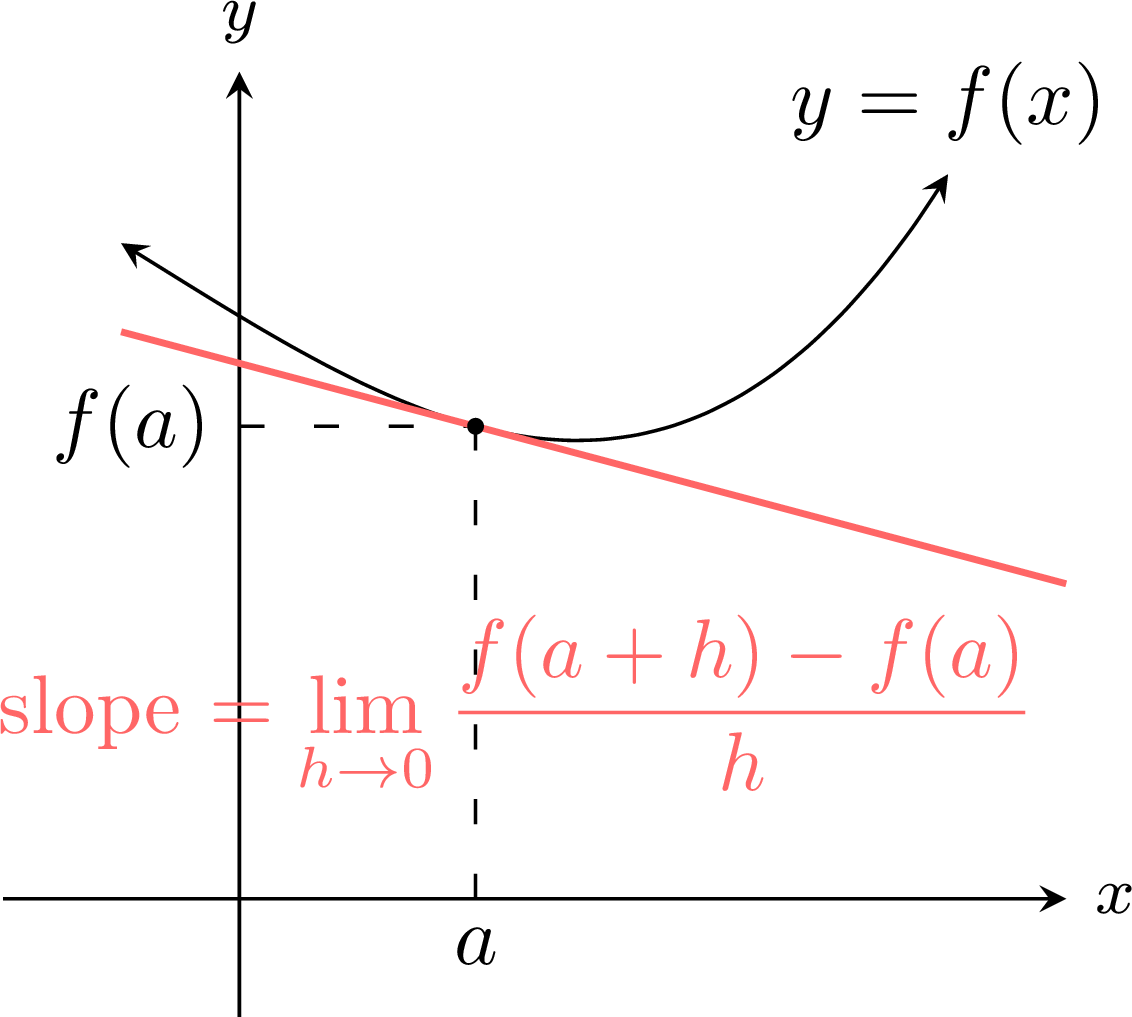
Rules of Differentiation
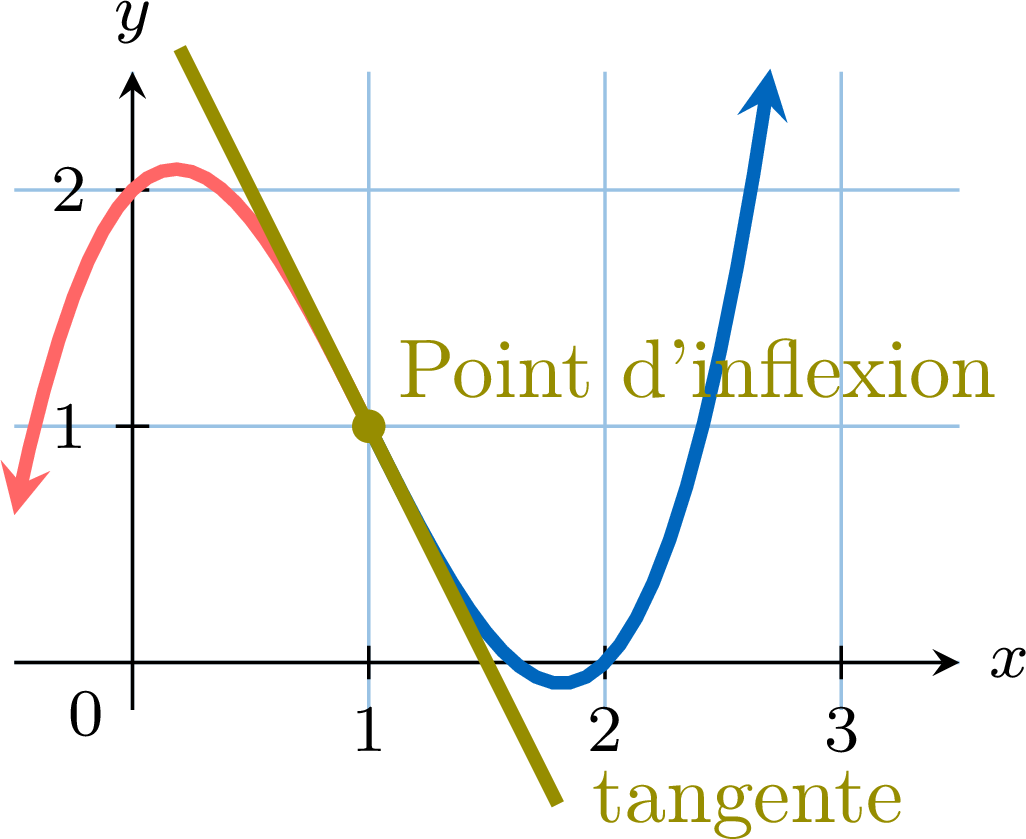
Properties of Curves
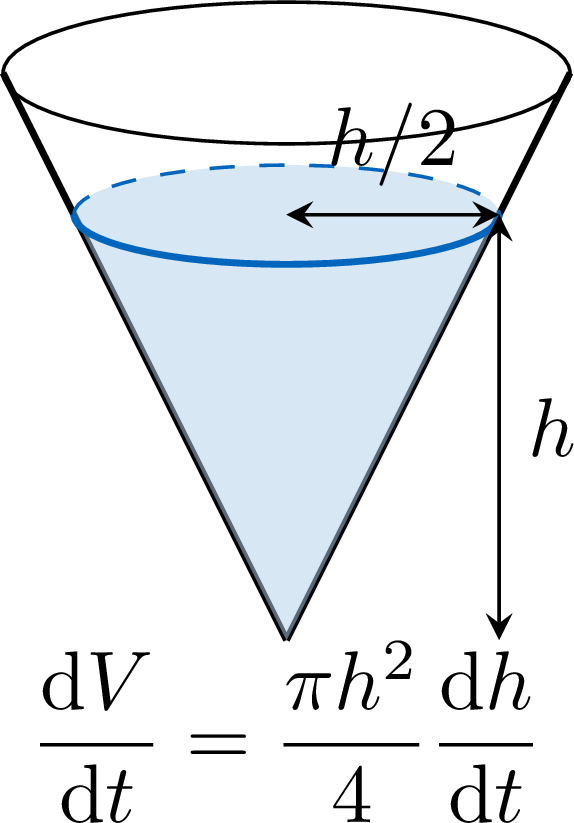
Applications of Differentiation
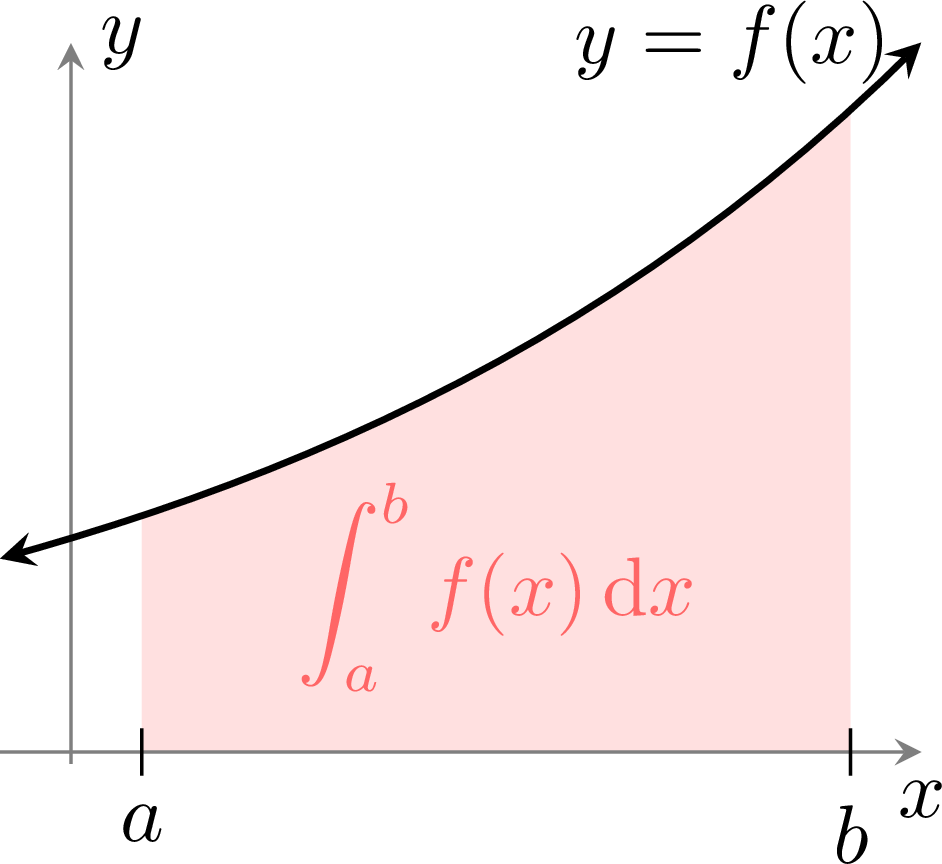
Introduction to Integration
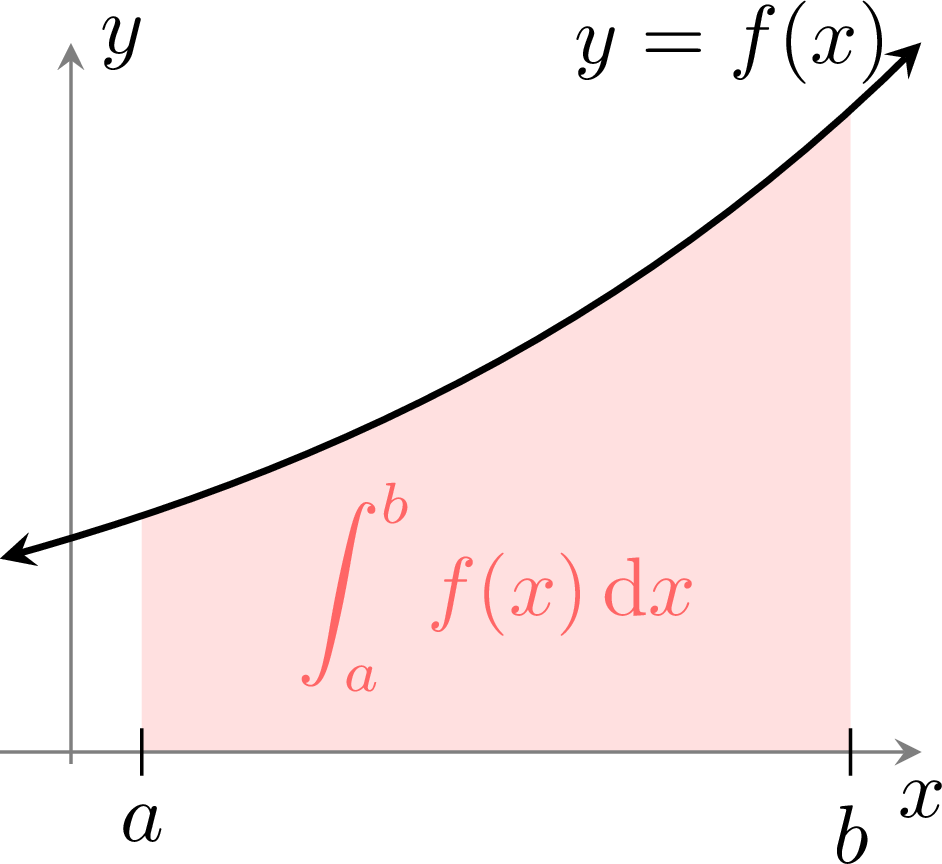
Techniques of Integration
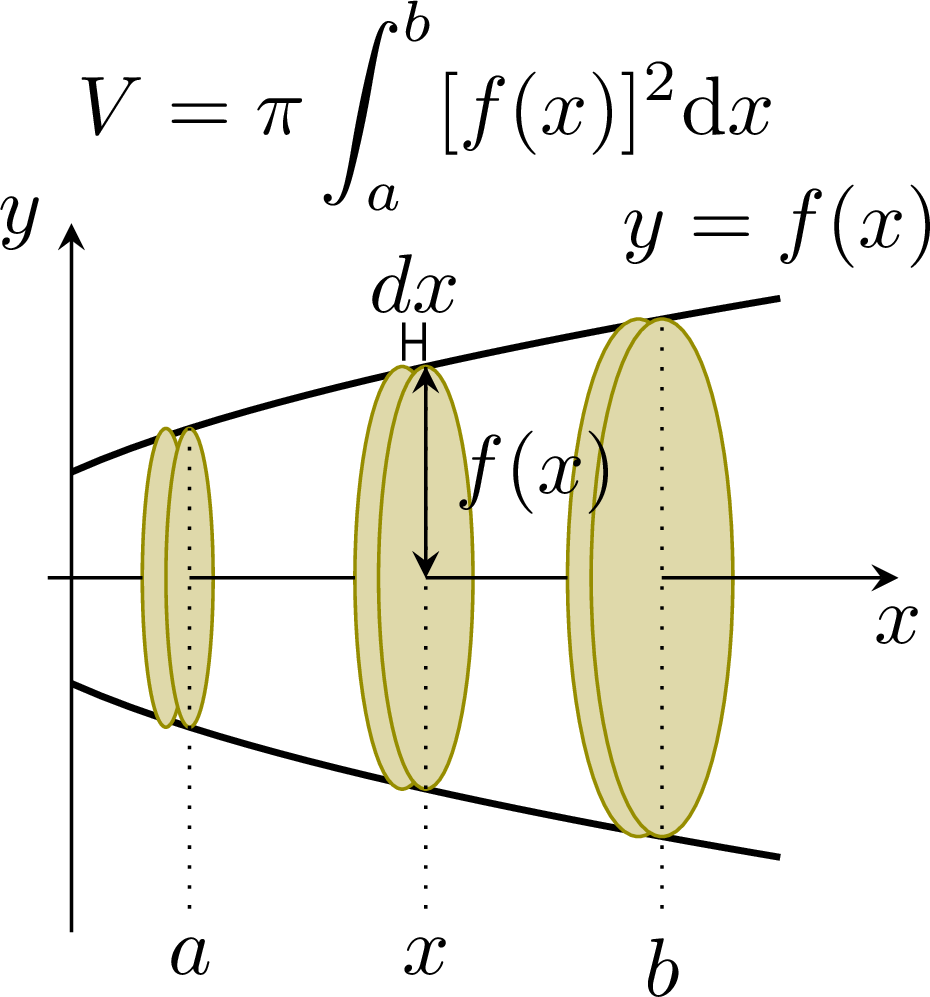
Definite Integrals: Areas and Volumes

Kinematics

Maclaurin Series
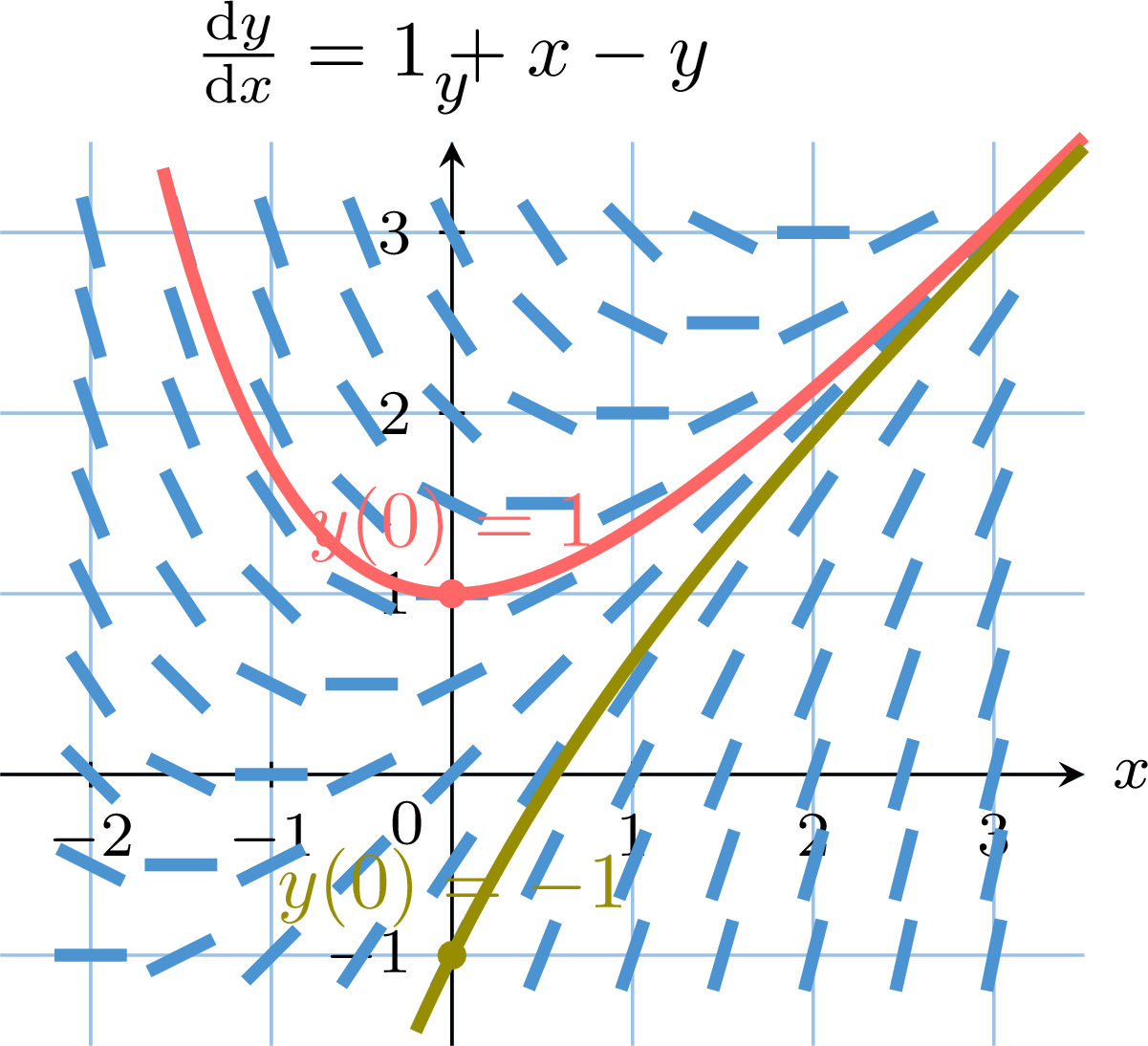
Differential Equations

Bivariate Statistics

Discrete Random Variables
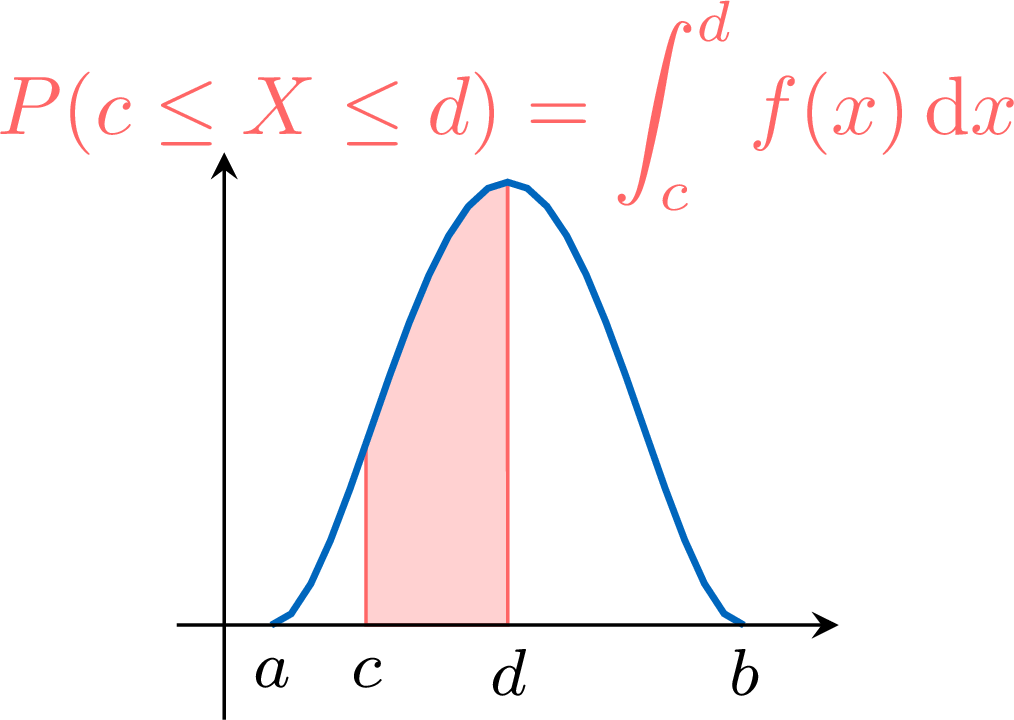
Continuous Random Variables and the Normal Distribution
The programme
- Reasoning and Proof — Master the foundations of mathematical logic and formal proof. This module covers logical connectives, quantifiers, and De Morgan’s laws. Explore rigorous methods including direct proof, contrapositive, exhaustion, contradiction, and mathematical induction through diverse exercises.
- Proof by Mathematical Induction — Master the foundations of mathematical logic and formal proof. This module covers logical connectives, quantifiers, and De Morgan’s laws. Explore rigorous methods including direct proof, contrapositive, exhaustion, contradiction, and mathematical induction through diverse exercises.
- Systems of Linear Equations — Master systems of linear equations using augmented matrices and Gaussian elimination. Learn parametric and vector forms, geometric interpretations in 2D and 3D, and elementary row operations. Analyze systems for unique, infinite, or no solutions using pivot and free variables.
- Vectors — A comprehensive module on Vector Algebra bridging geometry and algebra. Covers components in 2D/3D, operations (addition, scalar multiplication), Chasles' relation, and magnitude. Includes exercises on translations, parallelogram properties, and collinearity tests using determinants.
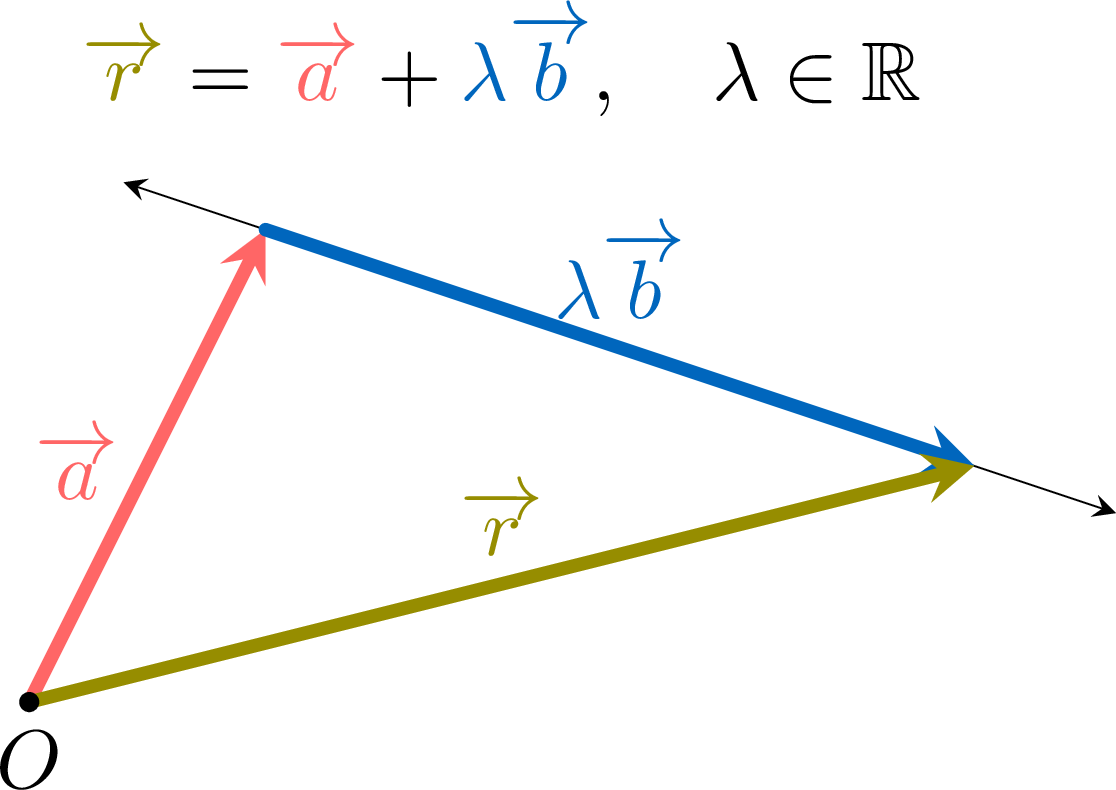
- Lines and Planes in Space — Master 3D vector geometry. Learn to define lines and planes using direction vectors and parametric equations. Explore relative positions: parallel, secant, and skew. Includes tetrahedron-based exercises to prove point alignment and coplanarity via linear combinations.
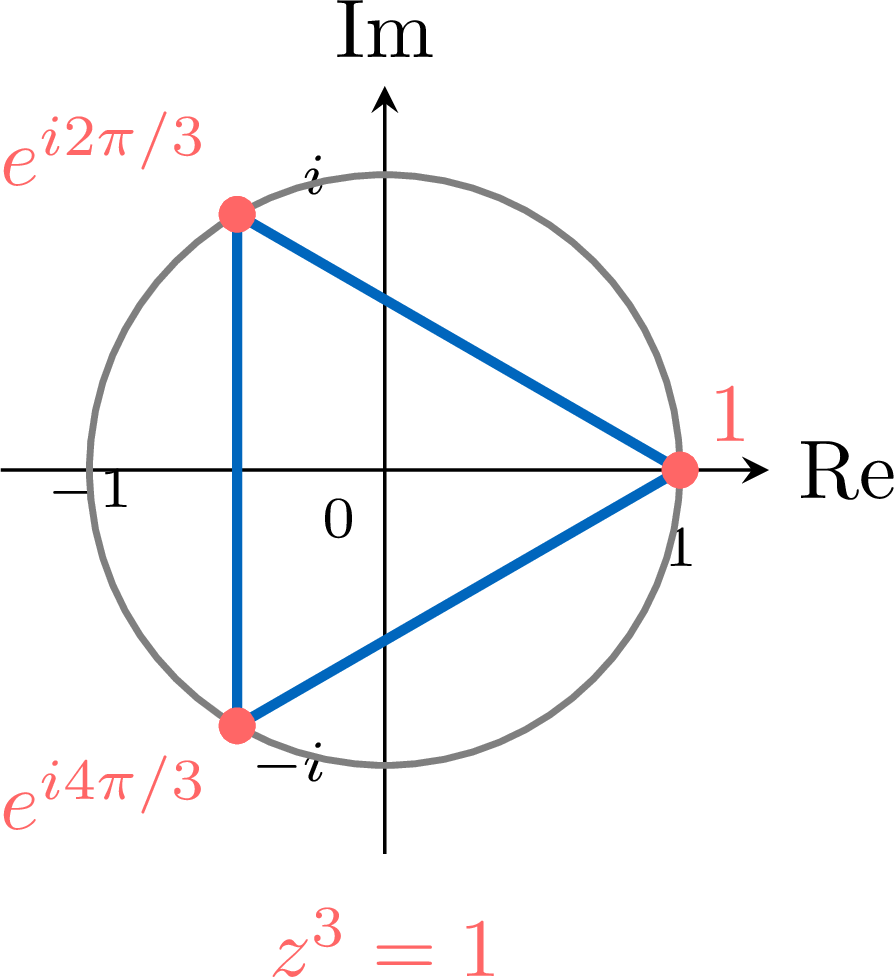
- Complex Numbers: Polar and Euler Forms — Explore complex numbers geometrically in the complex plane. Master modulus, argument, and Euler's form. Learn De Moivre's theorem for powers and roots. Visualize transformations like rotations and identify geometric loci such as circles and perpendicular bisectors.
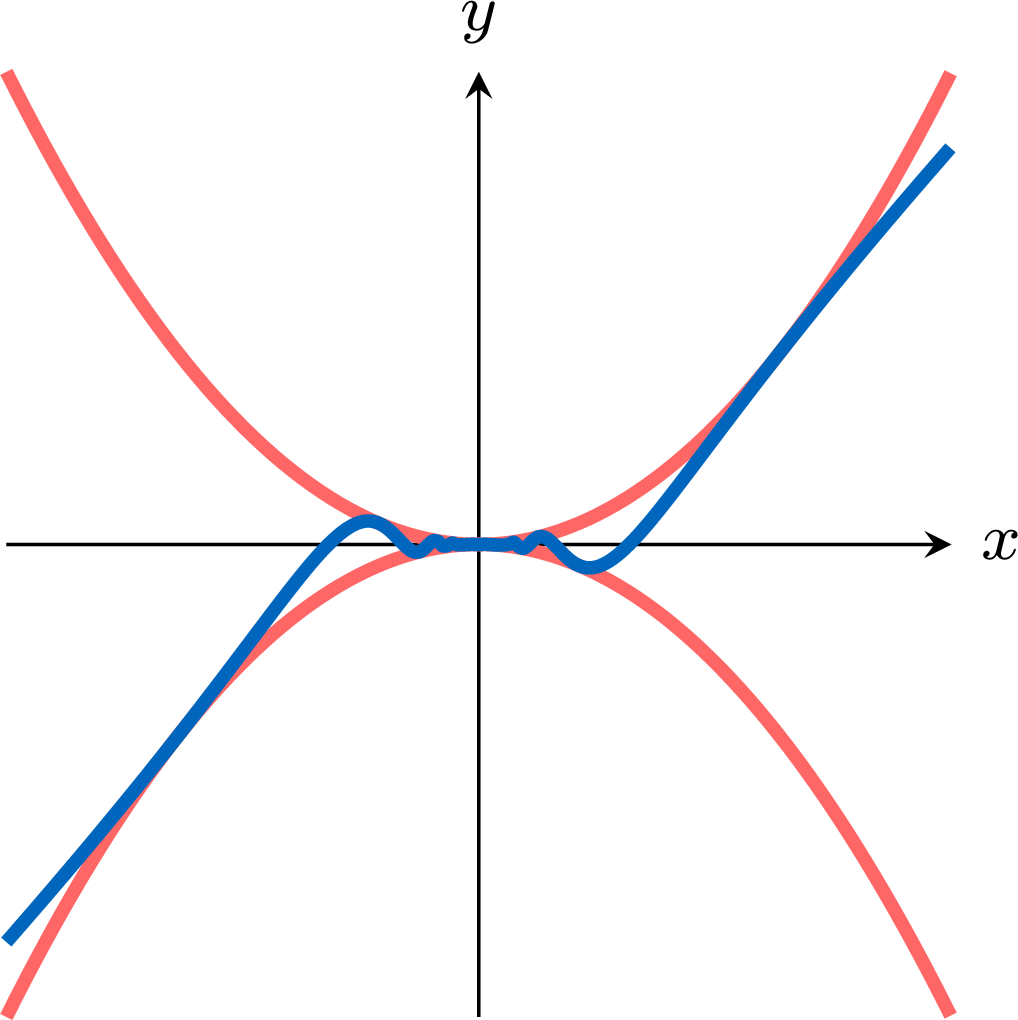
- Limits and Continuity — Master the foundational concept of limits. This module covers numerical and algebraic evaluation, limit laws, one-sided limits, infinite behavior (asymptotes), the Squeeze Theorem and composite function analysis.
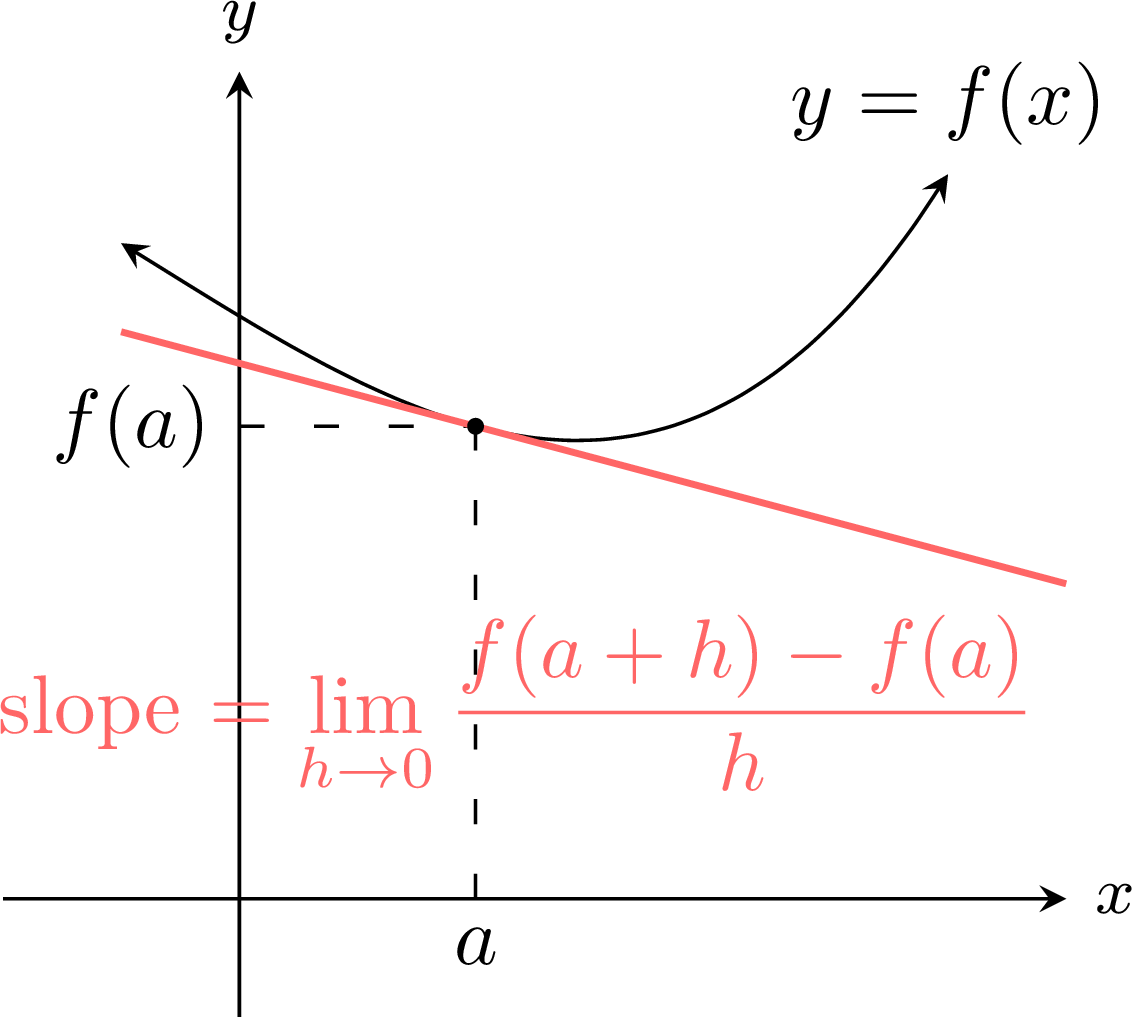
- Introduction to Differential Calculus — A comprehensive module on Differential Calculus. Covers the definition of the derivative via limits and rates of change, differentiation rules (Power, Sum, Chain, Product, Quotient), and finding derivatives from first principles.
- Rules of Differentiation — A comprehensive introduction to differential calculus. Master the limit definition of derivatives (first principles), differentiability, and essential rules: Chain, Product, Quotient, and Implicit. Covers standard functions, second derivatives, and L'Hôpital's Rule for indeterminate forms.
- Properties of Curves — Master the geometric analysis of curves using derivatives. This module covers finding equations for tangents and normals, determining intervals of increase and decrease, identifying local and global extrema, and analyzing concavity and points of inflection using second derivatives.
- Applications of Differentiation — Apply differential calculus to solve optimization and related rates problems. Learn to model and maximize geometric quantities, interpret stationary points, and calculate instantaneous rates of change in physical contexts like thermodynamics and fluid dynamics.
- Introduction to Integration — A comprehensive study of Integrals: from Riemann sums and area approximations to the Fundamental Theorem of Calculus. Covers signed area, properties like Chasles's relation, and key techniques including integration by substitution and by parts, with geometric and algebraic applications.
- Techniques of Integration — A comprehensive study of Integrals: from Riemann sums and area approximations to the Fundamental Theorem of Calculus. Covers signed area, properties like Chasles's relation, and key techniques including integration by substitution and by parts, with geometric and algebraic applications.
- Definite Integrals: Areas and Volumes — This module covers geometric applications of integration. Learn to calculate total geometric area by splitting integrals, find the area enclosed between two curves, and compute volumes of revolution using the disk method around both the x and y axes. Includes sphere and cone derivations.
- Kinematics — Master kinematics along a straight line using calculus. This module covers the relationships between displacement, velocity, and acceleration through differentiation and integration. Learn to calculate average and instantaneous rates of change, total distance, and analyze motion graphs.
- Maclaurin Series — Learn to approximate transcendental functions using Maclaurin series and polynomials. Covers standard series for e^x, sin(x), cos(x), and ln(1+x), substitution techniques, term-by-term calculus, and error estimation via the Lagrange remainder. Includes the derivation of Euler’s formula.
- Differential Equations — Master first and second-order differential equations. Explore exact analytical solutions (separation of variables, integrating factor, substitution) and numerical approximations (Euler’s method). Includes slope fields, logistic growth, Maclaurin series solutions, and modeling of physical phenomena.
- Bivariate Statistics — Explore the relationship between two quantitative variables. This module covers scatter plots, correlation (direction, strength, form), and causation. Learn to model data with regression lines, calculate coefficients (r, r²), and perform interpolation and extrapolation.
- Discrete Random Variables — Comprehensive guide to discrete random variables, probability distributions, and statistical measures (expectation, variance, SD). Explores uniform, Bernoulli, and binomial models with real-world applications in risk management and decision-making through tables and graphs.
- Continuous Random Variables and the Normal Distribution — Introduction to continuous random variables and probability density functions. Covers uniform and normal distributions, including the empirical rule and quantiles. Teaches integration for expectation/variance and uses real-world examples like medical testing and task completion times.