DP 2: Analysis and Approaches SL mathematics
13 chapters, in the order of the programme: lessons, videos and worked exercises, free to start.

Trigonometric Functions
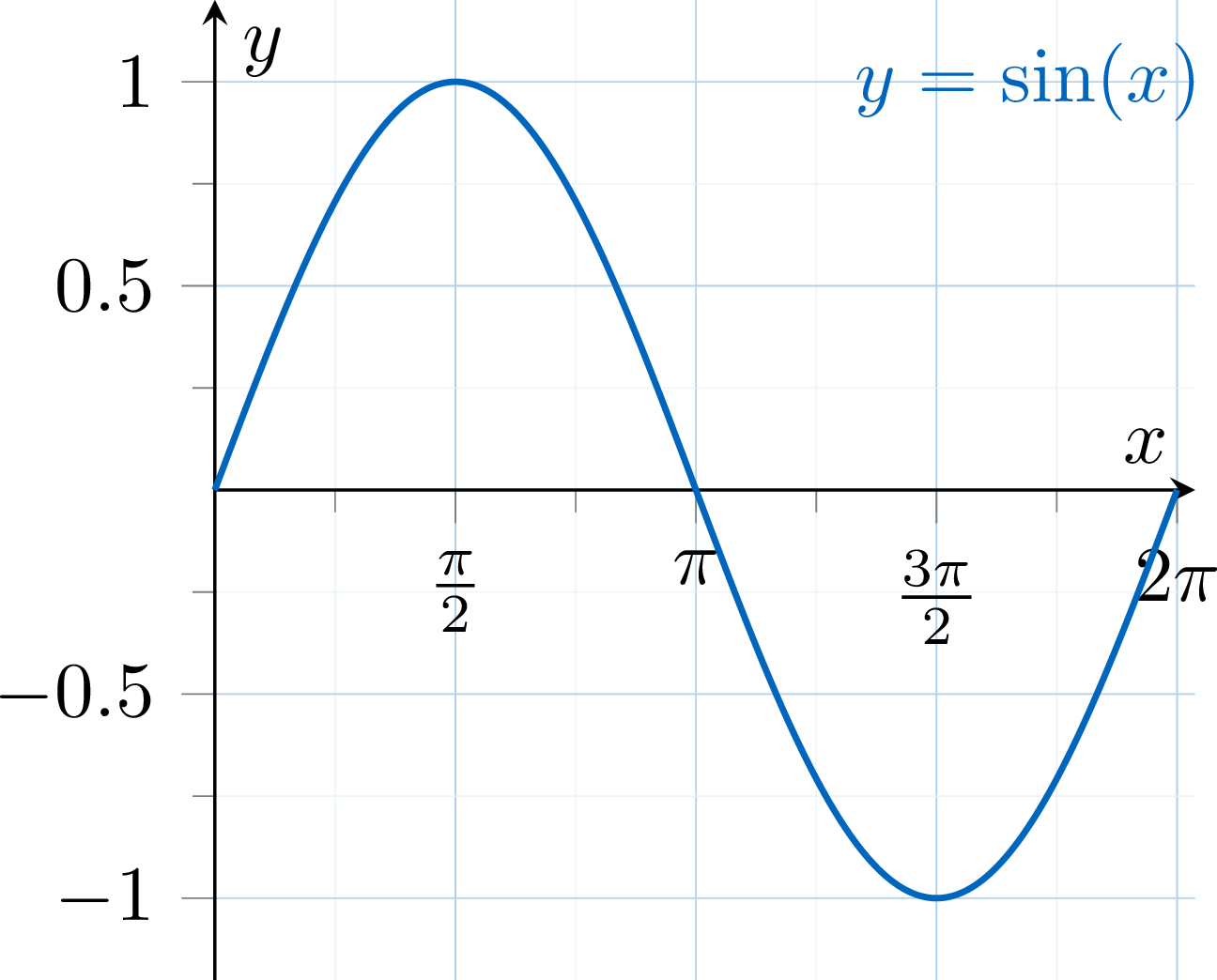
Trigonometric Equations and Identities
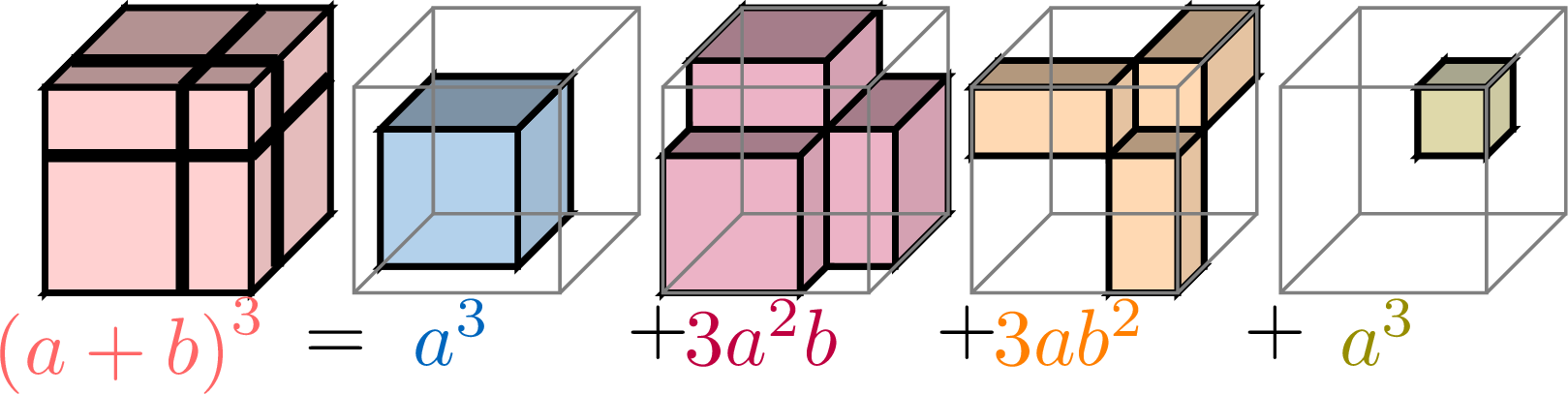
The Binomial Theorem
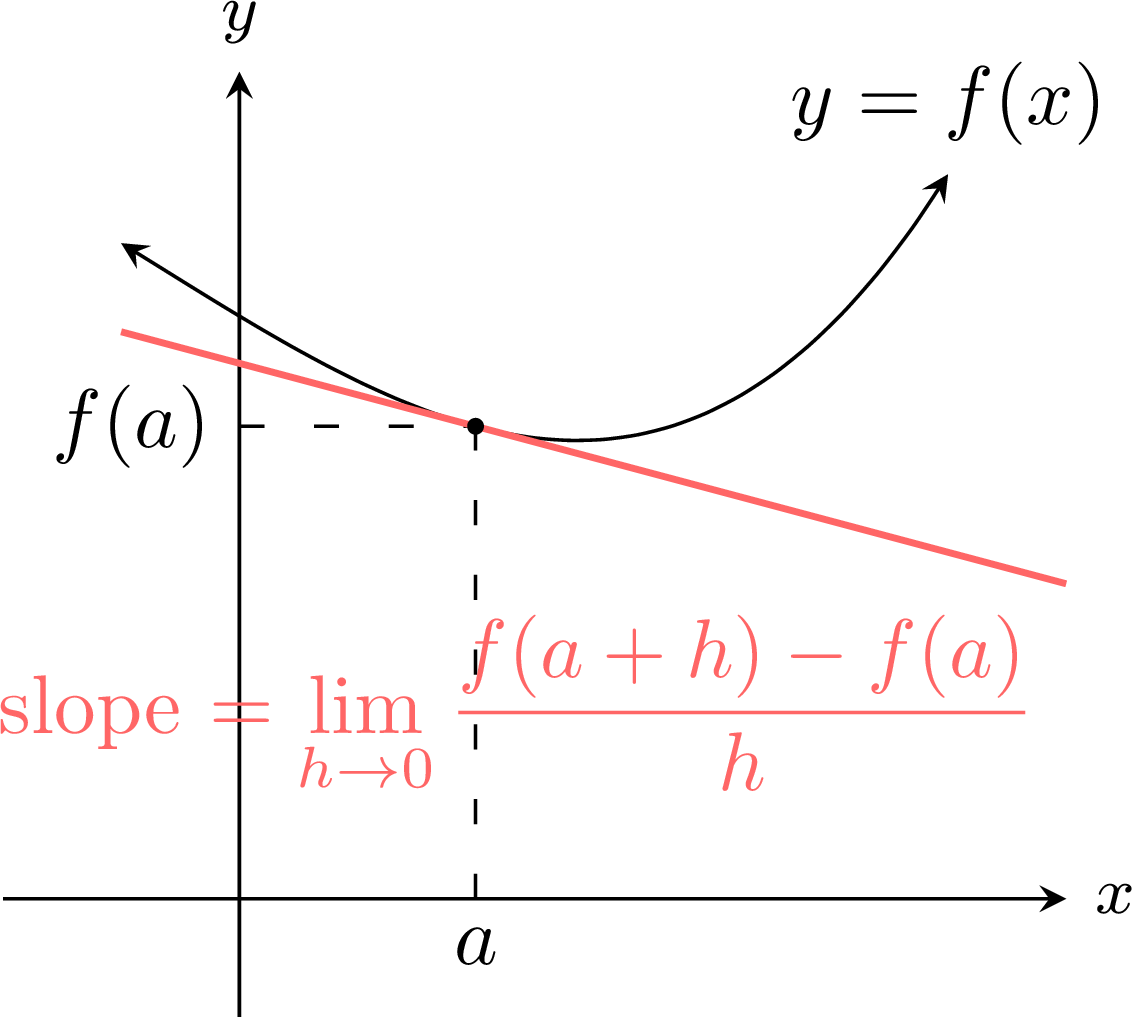
Introduction to Differential Calculus
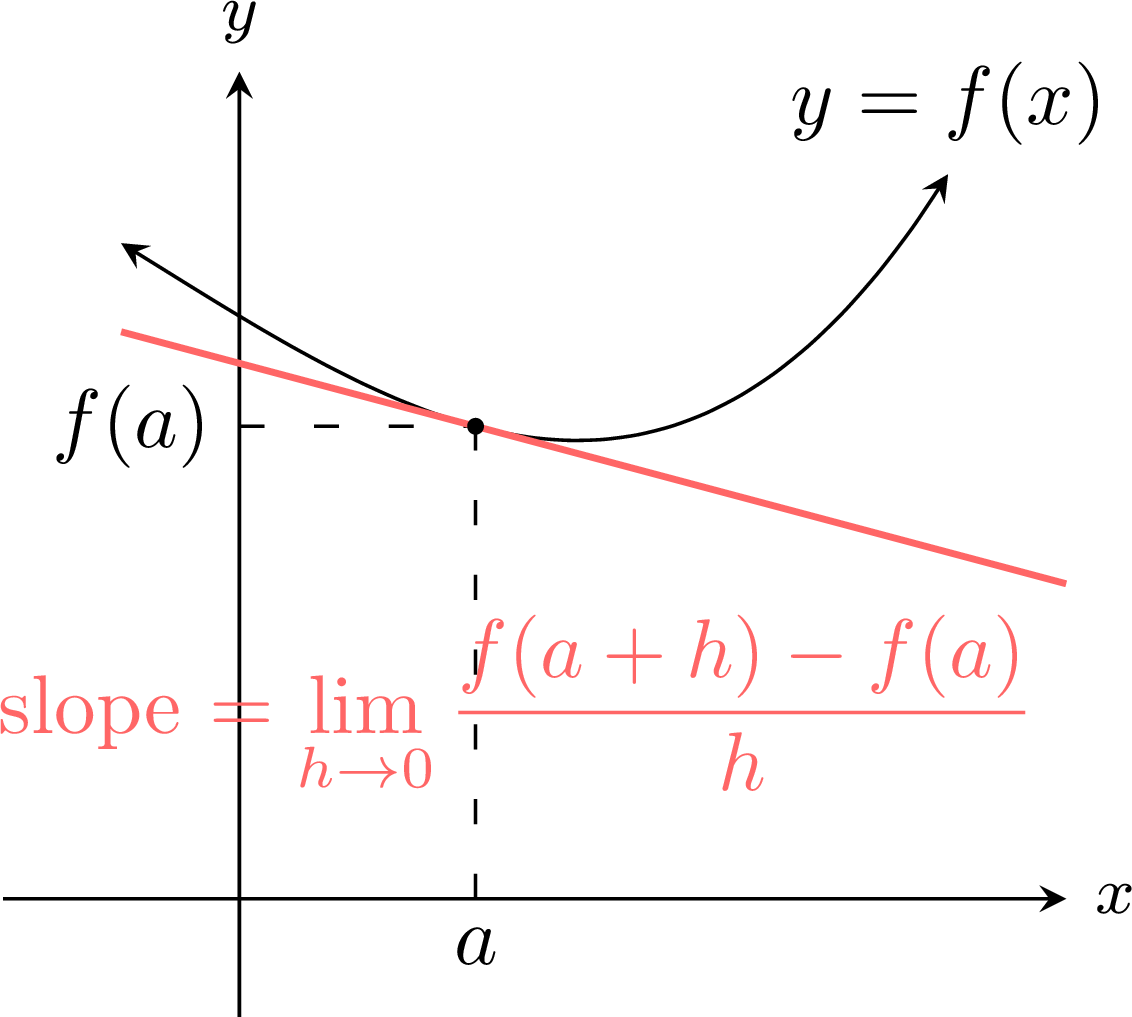
Rules of Differentiation
Properties of Curves
Applications of Differentiation
Introduction to Integration
Definite Integrals

Kinematics

Bivariate Statistics

Discrete Random Variables
The Normal Distribution
The programme
- Trigonometric Functions — Explore trigonometric functions (sine, cosine, tangent) and their reciprocal/inverse forms. This module covers properties like period, amplitude, and principal axis. Learn to solve complex equations and model periodic data like temperatures or tidal movements using transformations.
- Trigonometric Equations and Identities — Explore trigonometric functions (sine, cosine, tangent) and their reciprocal/inverse forms. This module covers properties like period, amplitude, and principal axis. Learn to solve complex equations and model periodic data like temperatures or tidal movements using transformations.
- The Binomial Theorem — Master the expansion of binomial expressions (a+b)^n. Covers perfect squares, cubes, Pascal's triangle, and the Binomial Theorem. Learn to calculate factorials and specific terms using binomial coefficients, with visual proofs and the derivation of algebraic identities.
- Introduction to Differential Calculus — A comprehensive module on Differential Calculus. Covers the definition of the derivative via limits and rates of change, differentiation rules (Power, Sum, Chain, Product, Quotient), and finding derivatives from first principles.
- Rules of Differentiation — A comprehensive introduction to differential calculus. Master the limit definition of derivatives (first principles), differentiability, and essential rules: Chain, Product, Quotient, and Implicit. Covers standard functions, second derivatives, and L'Hôpital's Rule for indeterminate forms.
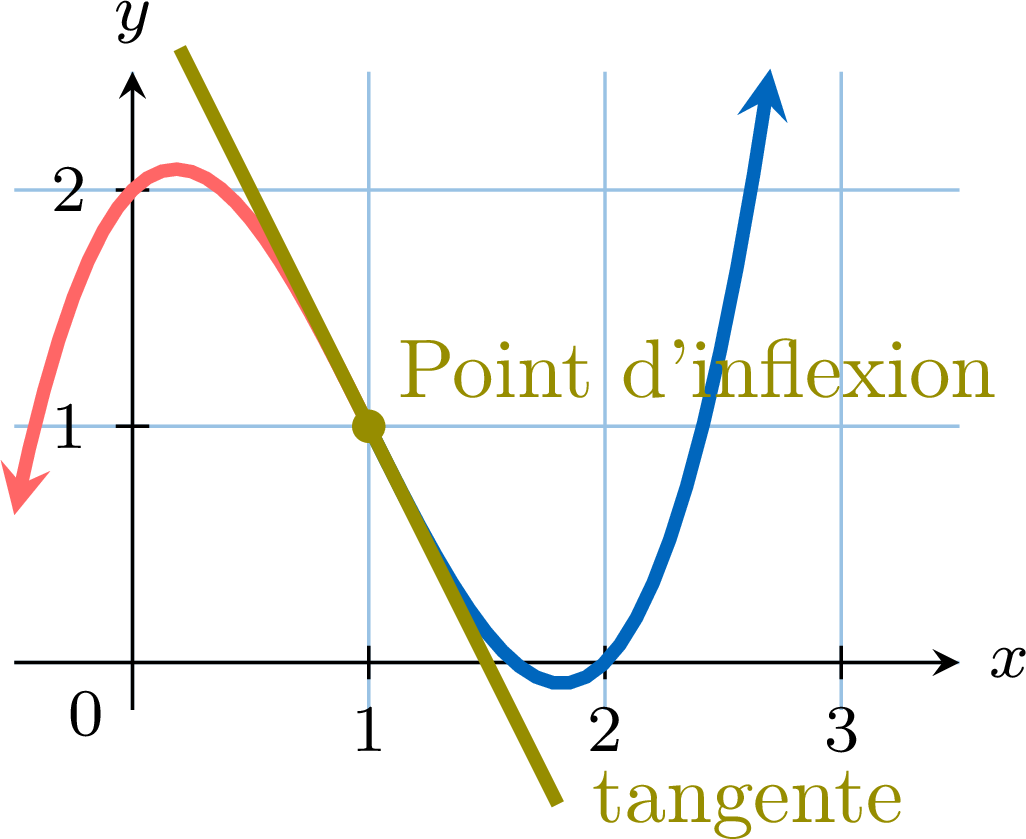
- Properties of Curves — Master the geometric analysis of curves using derivatives. This module covers finding equations for tangents and normals, determining intervals of increase and decrease, identifying local and global extrema, and analyzing concavity and points of inflection using second derivatives.
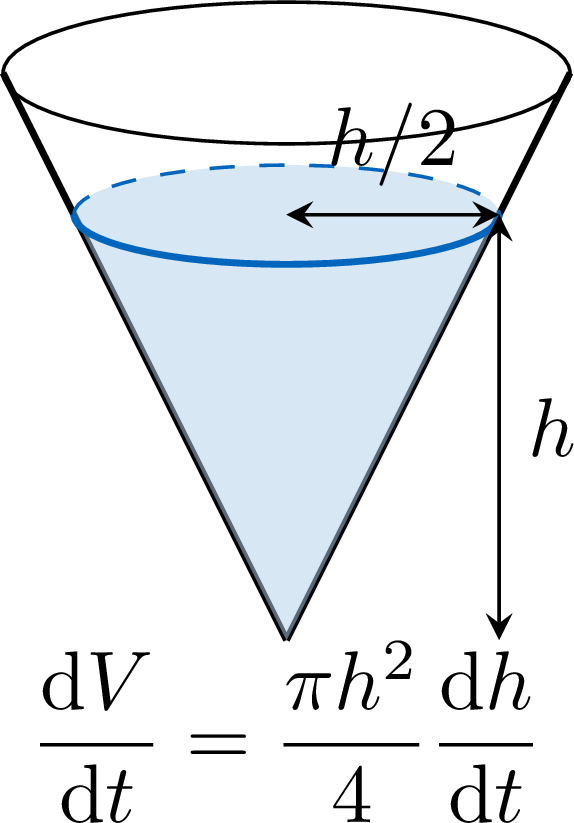
- Applications of Differentiation — Apply differential calculus to solve optimization and related rates problems. Learn to model and maximize geometric quantities, interpret stationary points, and calculate instantaneous rates of change in physical contexts like thermodynamics and fluid dynamics.
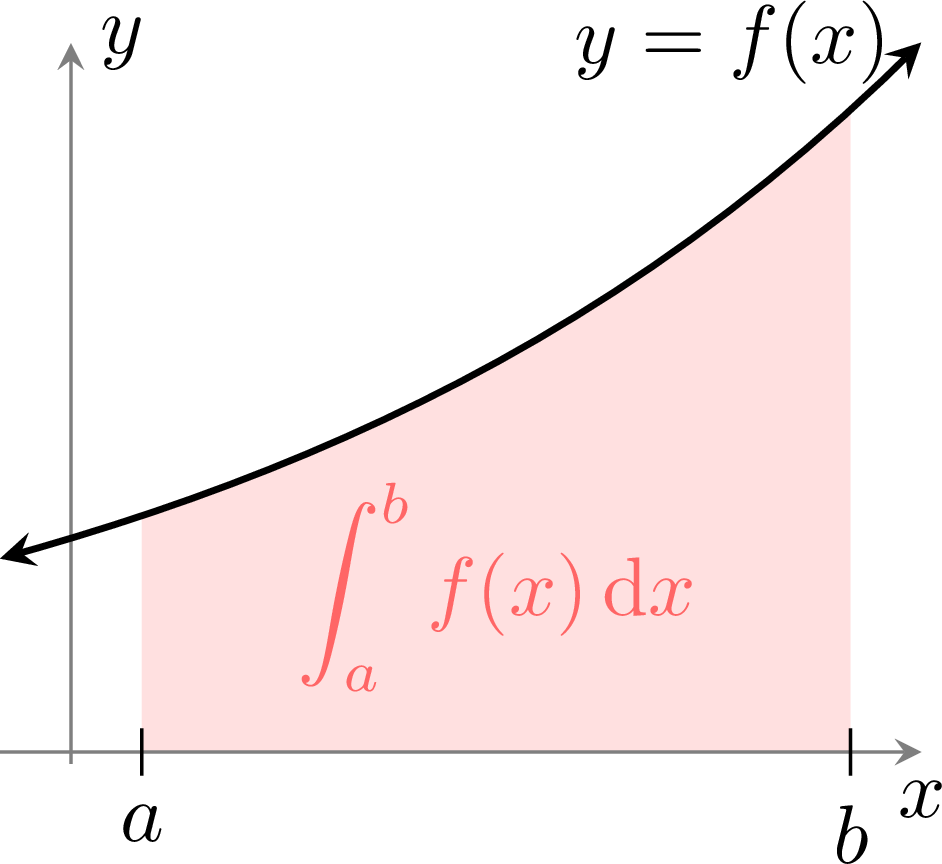
- Introduction to Integration — A comprehensive study of Integrals: from Riemann sums and area approximations to the Fundamental Theorem of Calculus. Covers signed area, properties like Chasles's relation, and key techniques including integration by substitution and by parts, with geometric and algebraic applications.
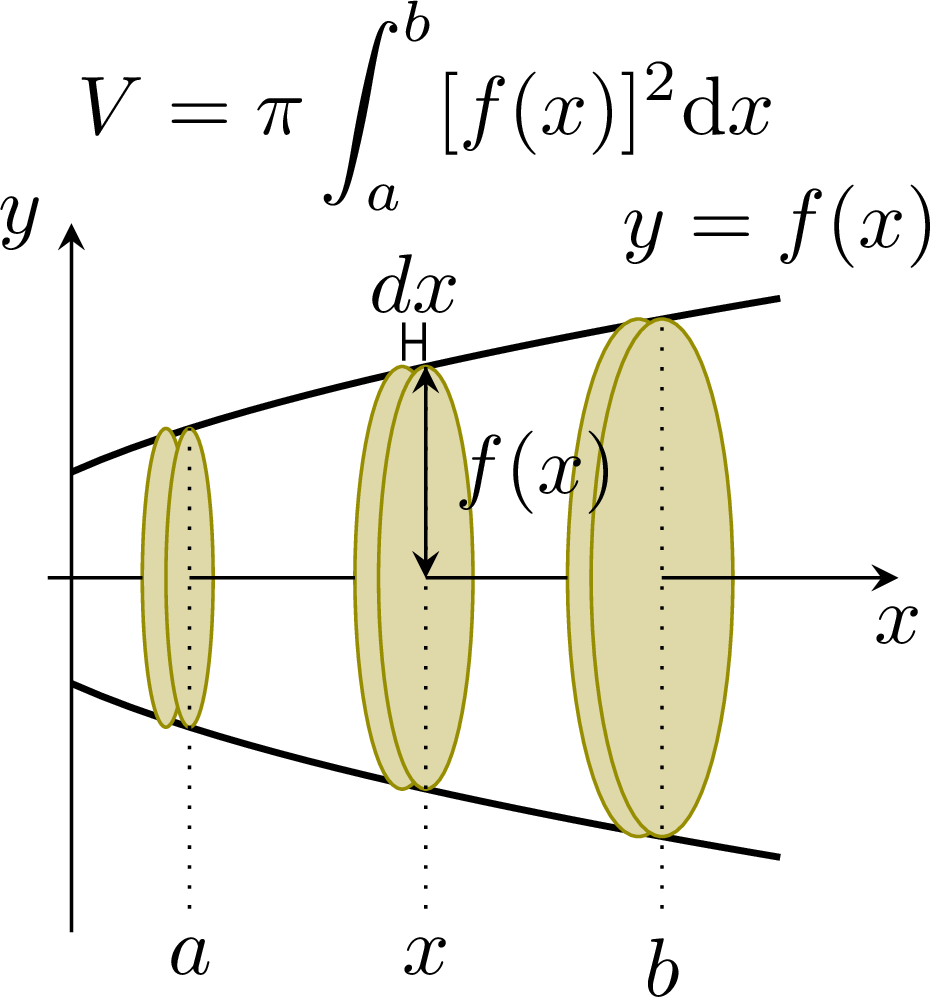
- Definite Integrals — This module covers geometric applications of integration. Learn to calculate total geometric area by splitting integrals, find the area enclosed between two curves, and compute volumes of revolution using the disk method around both the x and y axes. Includes sphere and cone derivations.
- Kinematics — Master kinematics along a straight line using calculus. This module covers the relationships between displacement, velocity, and acceleration through differentiation and integration. Learn to calculate average and instantaneous rates of change, total distance, and analyze motion graphs.
- Bivariate Statistics — Explore the relationship between two quantitative variables. This module covers scatter plots, correlation (direction, strength, form), and causation. Learn to model data with regression lines, calculate coefficients (r, r²), and perform interpolation and extrapolation.
- Discrete Random Variables — Comprehensive guide to discrete random variables, probability distributions, and statistical measures (expectation, variance, SD). Explores uniform, Bernoulli, and binomial models with real-world applications in risk management and decision-making through tables and graphs.
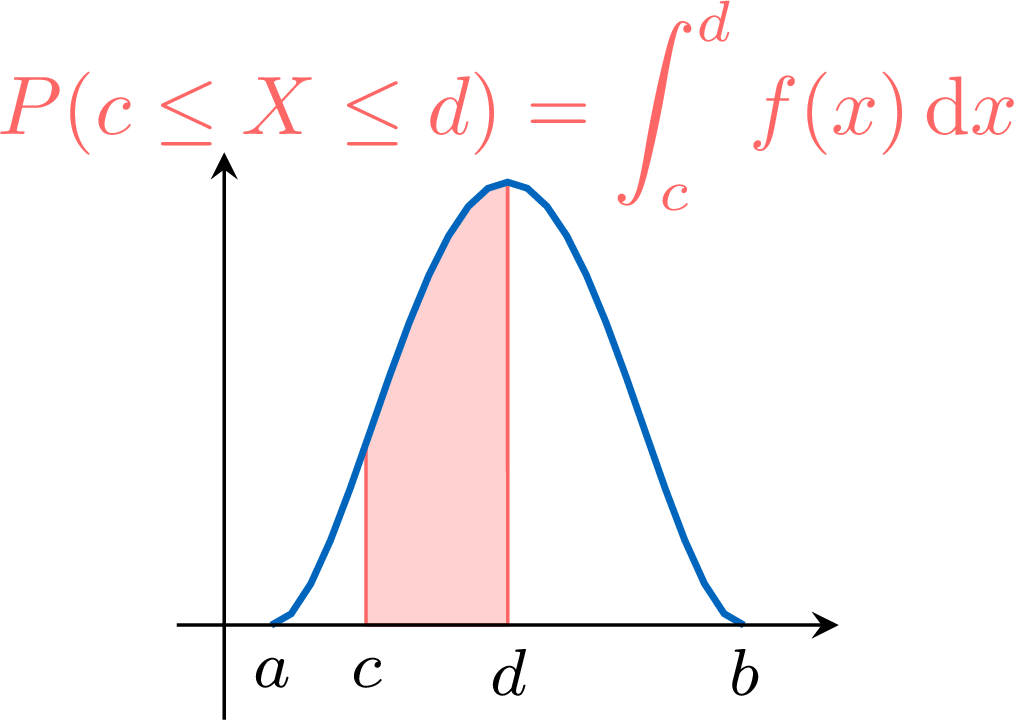
- The Normal Distribution — Introduction to continuous random variables and probability density functions. Covers uniform and normal distributions, including the empirical rule and quantiles. Teaches integration for expectation/variance and uses real-world examples like medical testing and task completion times.