DP 1: Analysis and Approaches SL mathematics
19 chapters, in the order of the programme: lessons, videos and worked exercises, free to start.
Straight Lines
Sets and Venn Diagrams
Surds and Exponents
Equations
Sequences and Series
Measurement
Right-Angled Triangle Trigonometry
The Unit Circle and Radian Measure

Non-Right-Angled Triangle Trigonometry
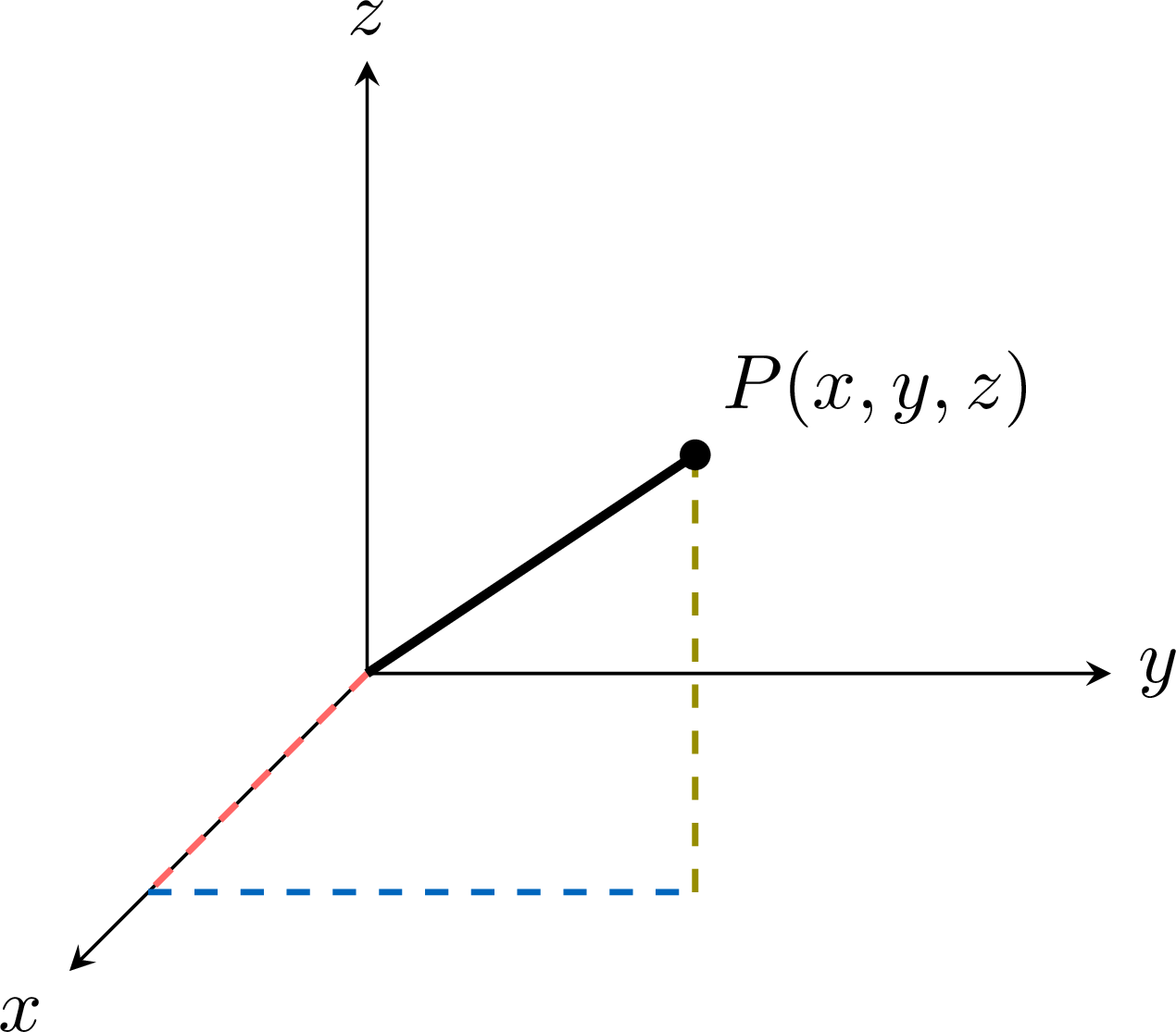
Points in Space

Probability

Conditional Probability
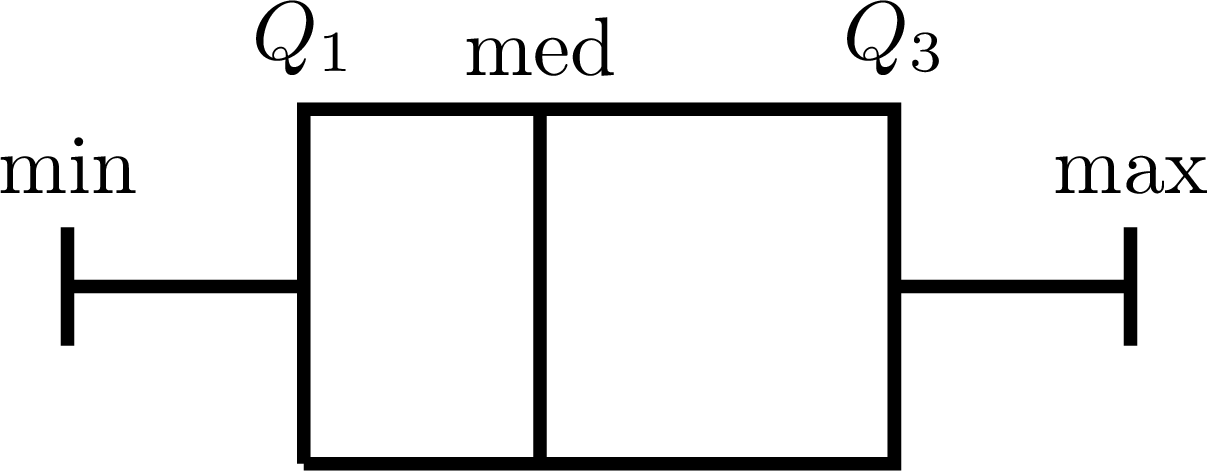
Sampling and Data
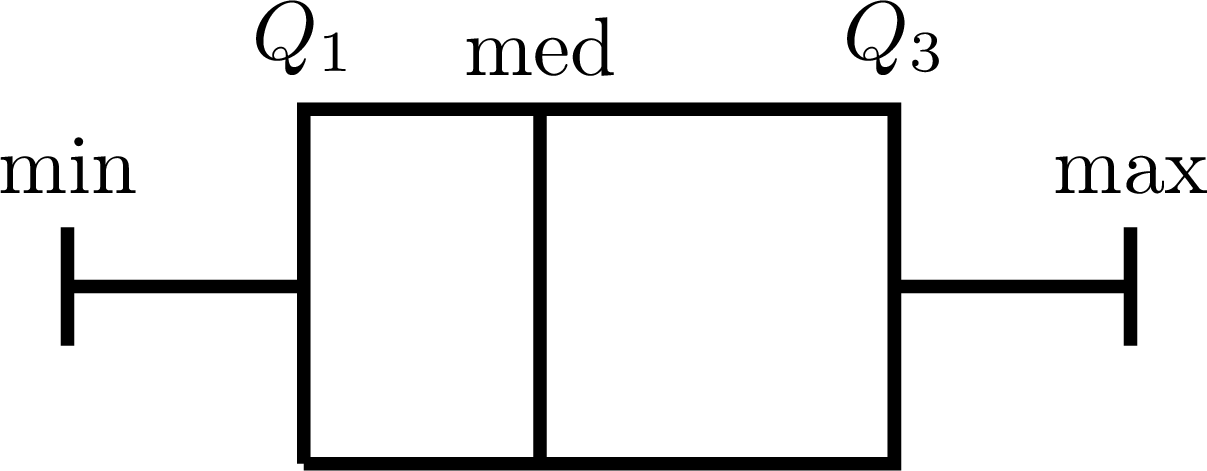
Descriptive Statistics

Quadratic Functions

Functions
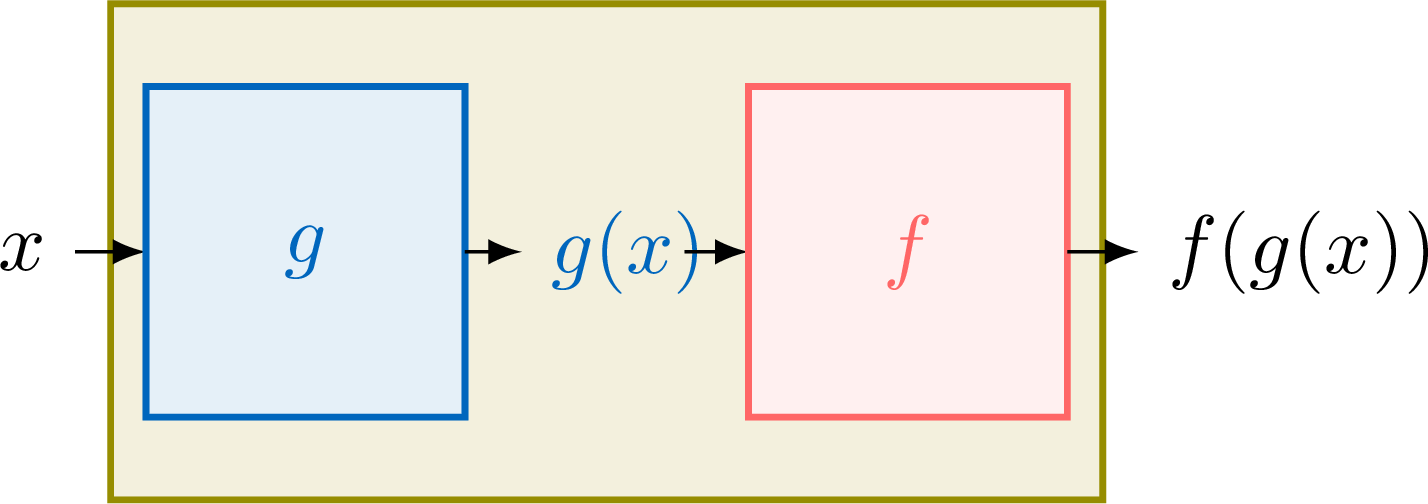
Transformations of Functions
Exponentials

Logarithms
The programme
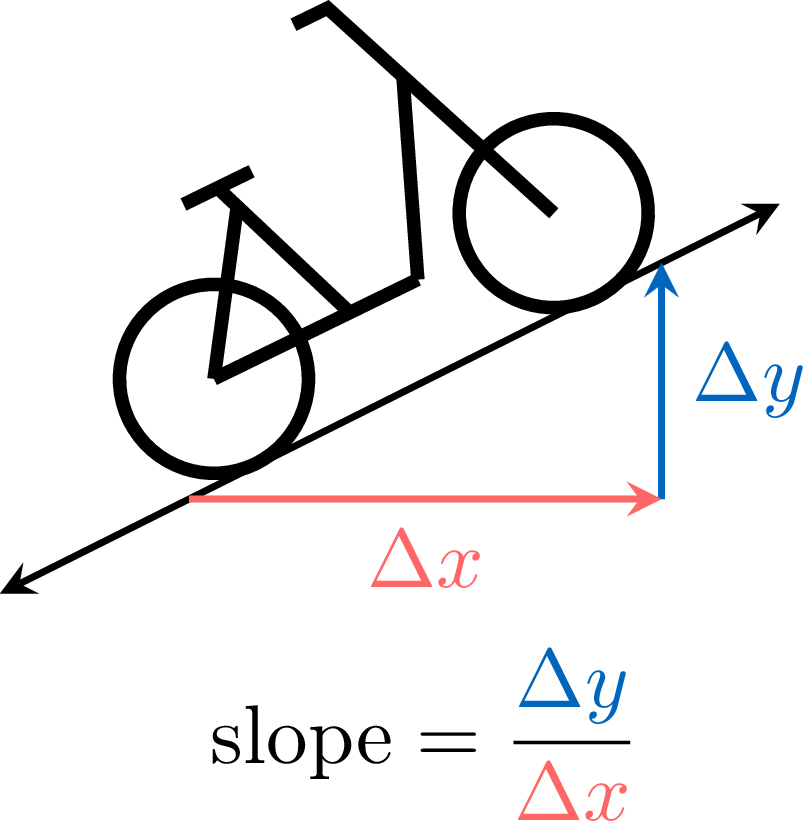
- Straight Lines — A comprehensive module on Line Equations, covering Slope (Gradient), the Slope Formula, and the y-Intercept. Explores Slope-Intercept (y=mx+c) and General Forms, graphing techniques, and relationships like Parallel and Perpendicular lines. Includes Perpendicular Bisectors, Intersections, and Angle of Inclination.
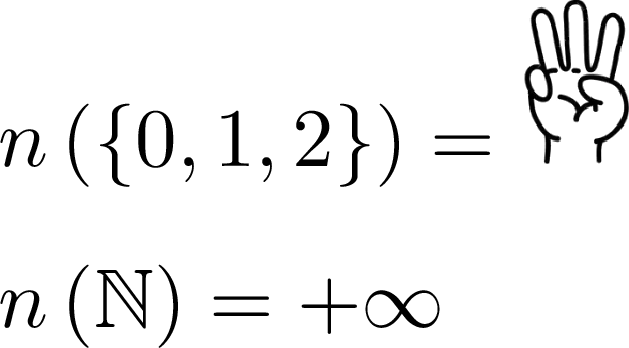
- Sets and Venn Diagrams — A comprehensive introduction to set theory: elements, subsets, cardinality, and operations (union, intersection, complement). Explores Venn diagrams, set-builder notation, and number sets (N, Z, Q, R), plus representing solutions to linear inequalities using interval notation.
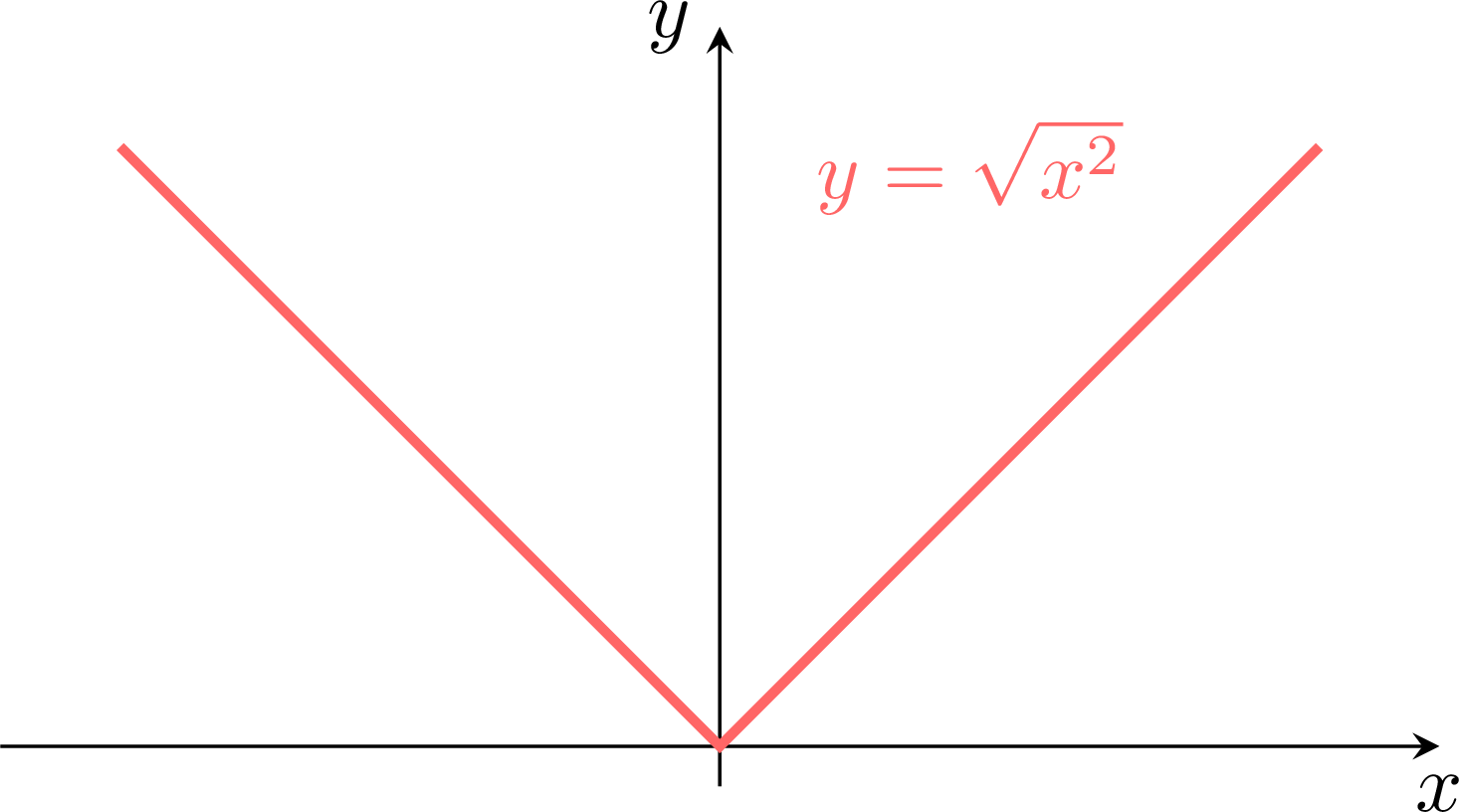
- Surds and Exponents — Master square, cube, and nth roots through geometric intuition and algebraic laws. Covers perfect squares, simplification to simplest radical form, operations with like radicals, and rationalizing monomial and binomial denominators using conjugates. Ideal for advancing algebraic fluency.
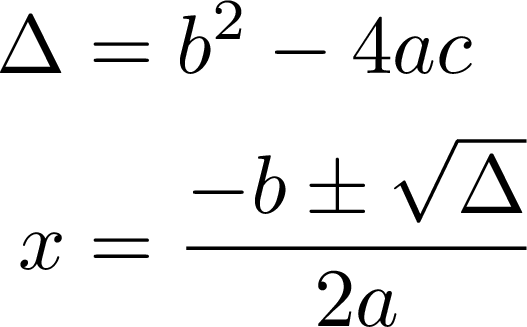
- Equations — Master quadratic equations through factorization, completing the square, and the quadratic formula. Explore the discriminant's role in root nature, Vieta's formulas, and substitution methods. Solve complex quadratic inequalities using sign tables and parabolic properties.
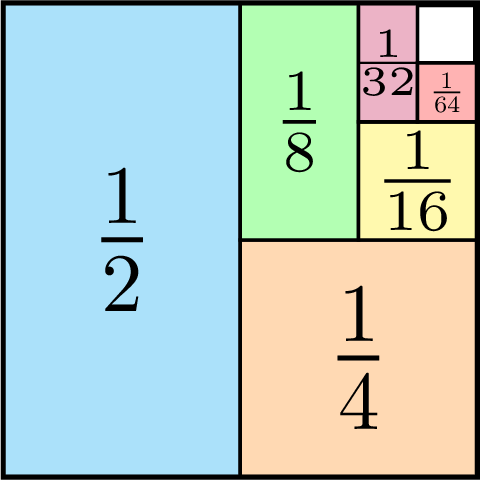
- Sequences and Series — Explore numerical sequences and series. Learn recursive and explicit rules, arithmetic and geometric progressions, and partial sums. Master sigma notation and the convergence of infinite geometric series with practical modeling exercises and formal proofs.
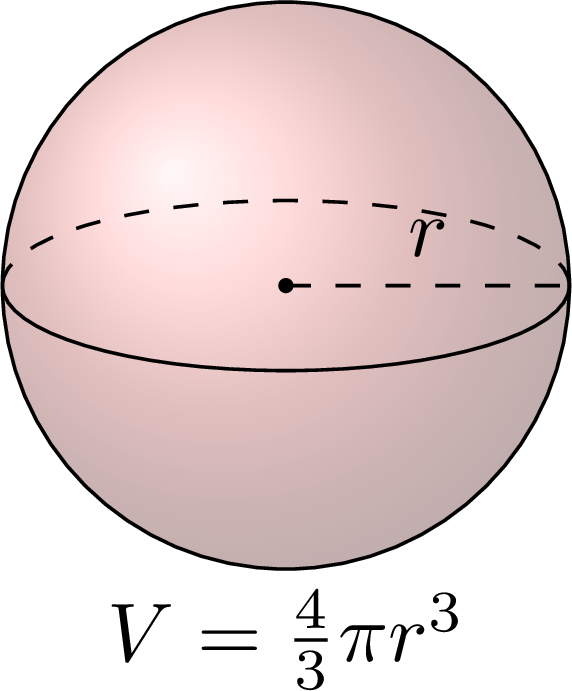
- Measurement — Comprehensive guide to volume, capacity, and surface area. Learn formulas for prisms, cones, and spheres, perform metric conversions, and solve density problems. Covers practical applications like liquid capacity, pool volume, and mass calculations using the Pythagorean theorem.
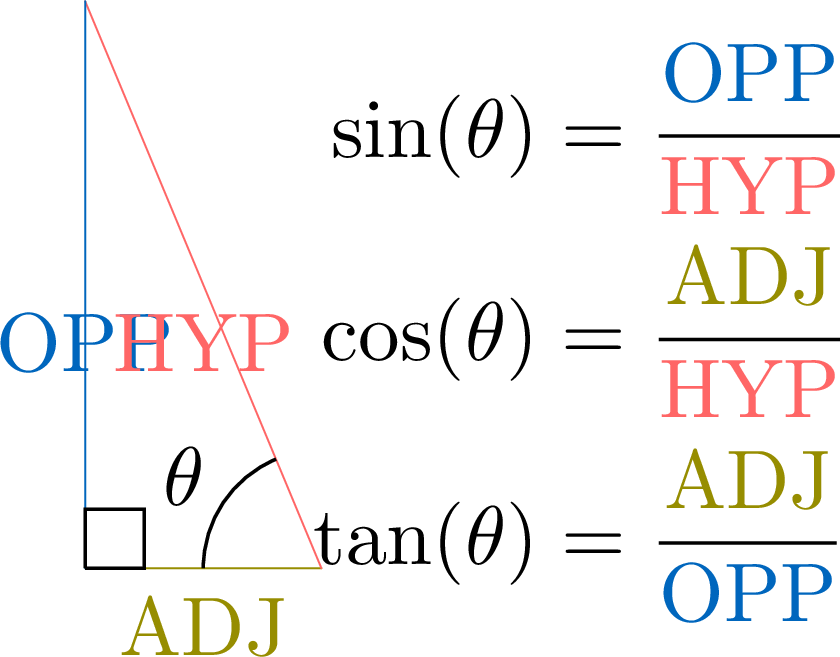
- Right-Angled Triangle Trigonometry — Master right-triangle trigonometry using SOH-CAH-TOA. Covers side naming, sine, cosine, and tangent ratios, inverse functions, and solving 2D/3D real-world problems involving angles between lines and planes in cuboids, pyramids, and prisms.
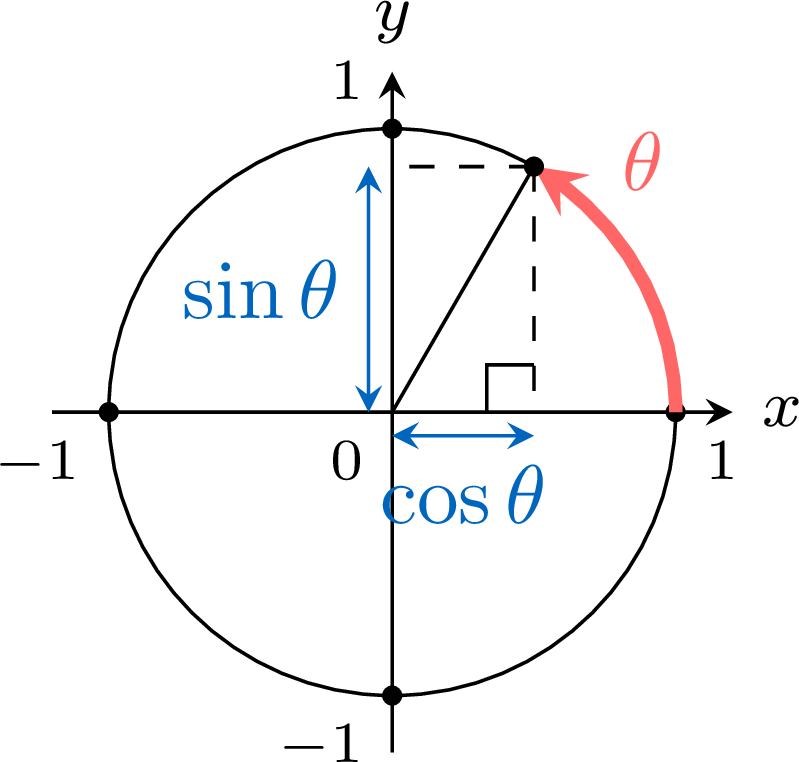
- The Unit Circle and Radian Measure — Explore the unit circle and radian measure. Learn to convert degrees to radians and find exact sine, cosine, and tangent values. Covers fundamental trigonometric identities, including Pythagorean, double-angle, and compound angle formulas through proofs and unit circle analysis.
- Non-Right-Angled Triangle Trigonometry — Learn trigonometry for non-right-angled triangles. This module covers the triangle area formula, the Law of Sines, and the Law of Cosines. Practice calculating unknown sides and angles, and solve real-world problems involving areas, perimeters, and costs.
- Points in Space — Locate points in space with three coordinates in a right-handed orthonormal system: plot points in perspective and read the coordinates of the vertices of cuboids and pyramids. Proves the distance formula by applying Pythagoras' theorem twice, derives the coordinates of the midpoint of a segment, and applies both inside solids: space diagonals, the angle between two lines and the angle between a line and a plane.
- Probability — Master probability from basic outcomes to advanced concepts. Learn sample spaces, Venn diagrams, and addition laws. Deep dive into conditional probability, the law of total probability, and Bayes' Theorem using real-world scenarios like medical testing and forensic logic.
- Conditional Probability — Master probability from basic outcomes to advanced concepts. Learn sample spaces, Venn diagrams, and addition laws. Deep dive into conditional probability, the law of total probability, and Bayes' Theorem using real-world scenarios like medical testing and forensic logic.
- Sampling and Data — Comprehensive module on the statistical investigation process. Covers variables, sampling methods (stratified, systematic), bias, and error analysis. Includes central tendency, standard deviation, and box plots with a focus on critical evaluation of claims.
- Descriptive Statistics — Comprehensive module on the statistical investigation process. Covers variables, sampling methods (stratified, systematic), bias, and error analysis. Includes central tendency, standard deviation, and box plots with a focus on critical evaluation of claims.
- Quadratic Functions — A comprehensive guide to quadratic functions (f(x)=ax^2+bx+c). Covers parabola features (vertex, axis of symmetry, intercepts), concavity, and the discriminant. Includes exercises on algebraic solving, graphical reading, and modeling real-world projectile motion and profits.
- Functions — Master the foundations of functions: notation, domain, and range. Explore graphical and algebraic methods for finding images and preimages. Covers bijectivity, operations, composition, and inverse functions through diverse exercises including real-world linear models and mapping diagrams.
- Transformations of Functions — Master function transformations: learn vertical and horizontal translations, stretches, compressions, and reflections across axes. This module covers applying transformations to parent functions, understanding the order of operations, and determining new equations from geometric sequences.
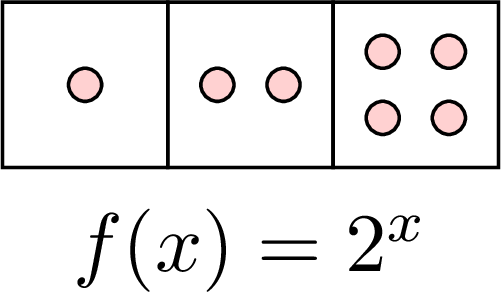
- Exponentials — Master exponential functions through growth and decay models. This module covers graphical features, horizontal asymptotes, and domain/range. Learn to distinguish linear and exponential relationships using constant differences and common ratios with real-world applications.
- Logarithms — Explore roots (square, cube, nth) and logarithms (base 10, a, e). Master radical laws, rationalizing denominators, and log properties. Apply these tools to solve complex exponential equations and real-world models including the pH scale, Richter scale, and population growth.