Ordering Numbers
Compare Numbers
Definition Comparing Numbers
Comparing is looking at two or more numbers to see which is greater (bigger), less (smaller), or if they are equal (the same amount).
Definition Comparison Symbols
We use special symbols to write down our comparisons:
| Symbol | Meaning | Example |
| \(=\) | is equal to | 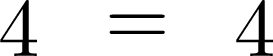 |
| \(>\) | is greater than |  |
| \(<\) | is less than | 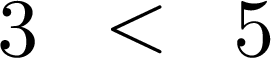 |
Helpful Trick: The Alligator Mouth
Think of the \(>\) and \(<\) symbols as a hungry alligator's mouth. The alligator always wants to eat the bigger number!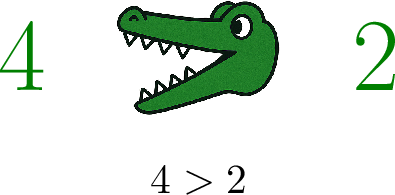 \(\quad\)
Think of the \(>\) and \(<\) symbols as a hungry alligator's mouth. The alligator always wants to eat the bigger number!
\(\quad\)How to Compare 3-Digit Numbers
Method Comparing 3-Digit Numbers
To compare numbers, we always start by looking at the place with the biggest value. For 3-digit numbers, this is the hundreds place!
- Step 1: Compare the Hundreds place. Look at the digit in the hundreds place. The number with more hundreds is the greater number.
- Step 2: Compare the Tens place (if needed). If the hundreds are the same, then you look at the tens place. The number with more tens is the greater number.
- Step 3: Compare the Ones place (if needed). If the hundreds AND the tens are the same, then you look at the ones place. The number with more ones is the greater number.
Example
Compare 352 and 289.
- Step 1: Compare the Hundreds.
- The number 352 has 3 hundreds.
- The number 289 has 2 hundreds.
- Since 3 hundreds is more than 2 hundreds, we know that 352 is greater than 289. We don't need to look at the tens or ones.
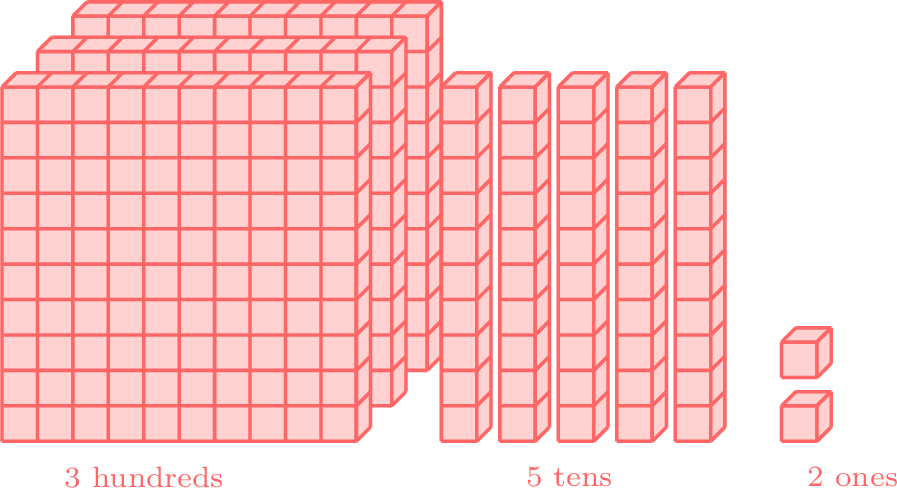 \(\quad \Huge > \quad\)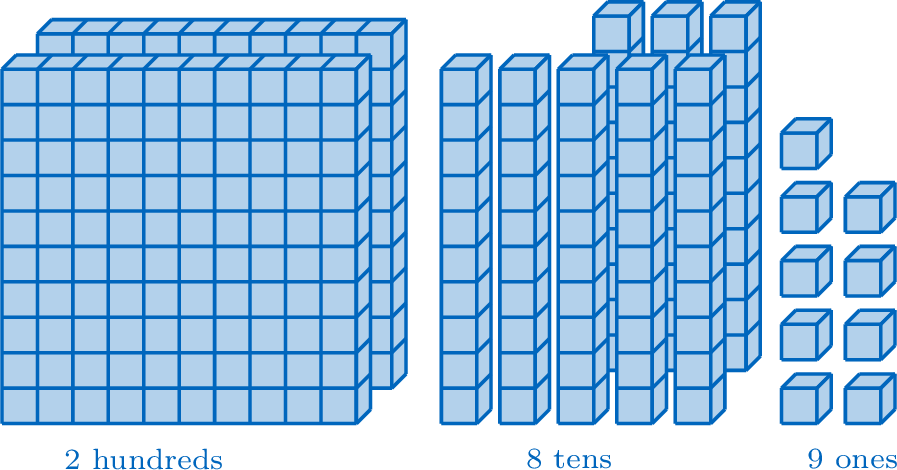
352 > 289
Example
Compare 461 and 438.
- Step 1: Compare the Hundreds.
- The number 461 has 4 hundreds.
- The number 438 has 4 hundreds.
- The hundreds are the same! So, we must move to the next step.
- Step 2: Compare the Tens.
- The number 461 has 6 tens.
- The number 438 has 3 tens.
- Since 6 tens is more than 3 tens, we know that 461 is greater than 438.
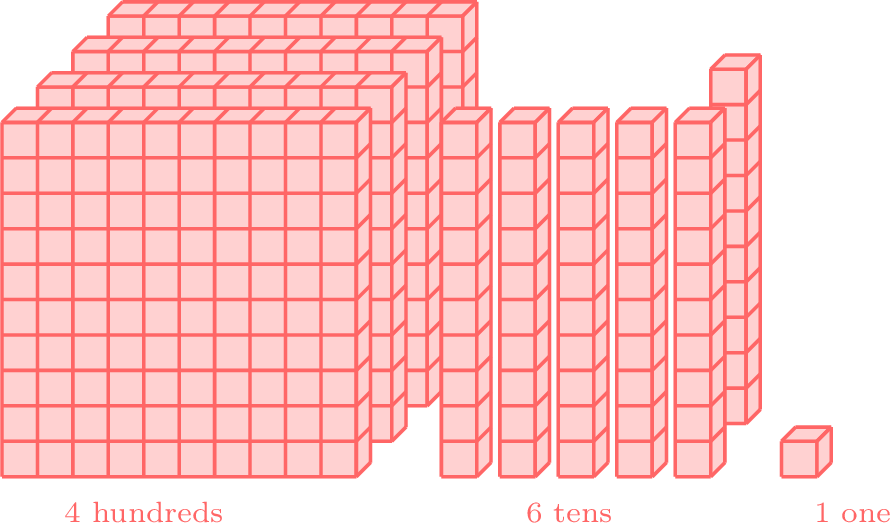 \(\quad \Huge > \quad\)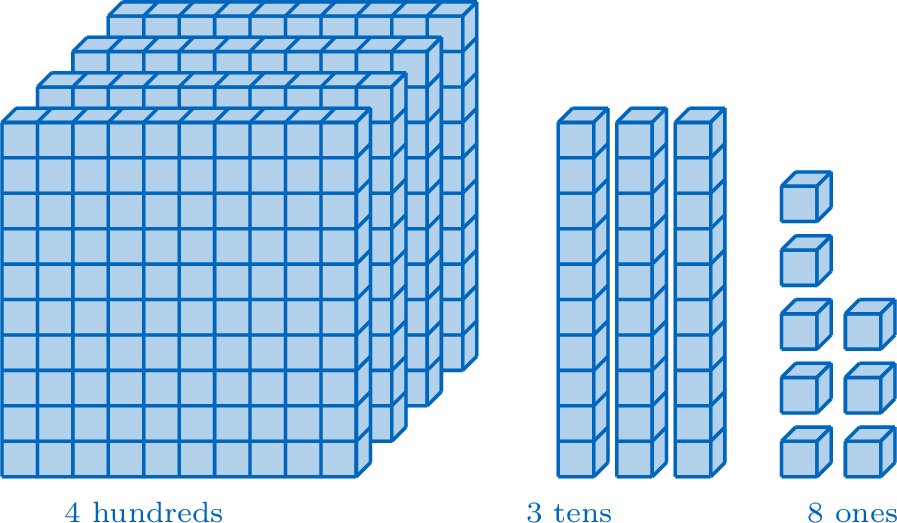
461 > 438