Even and odd numbers
Partners for Everyone?
Identifying the Parity of a Number with Fruits
Exercise
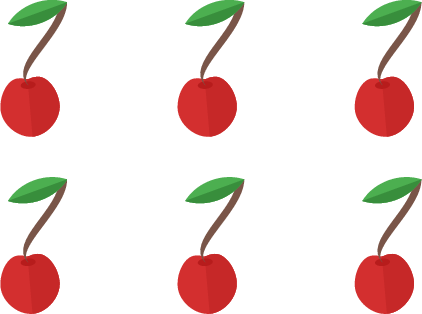
6 is .
- An even number can be divided into 2 equal groups.
- 6 cherries can be divided into 2 equal groups of 3 cherries.
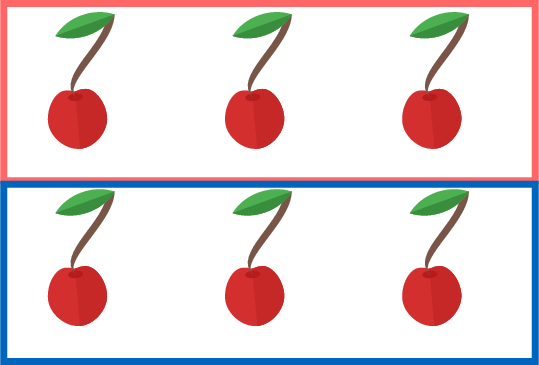
- 6 is even.
Exercise
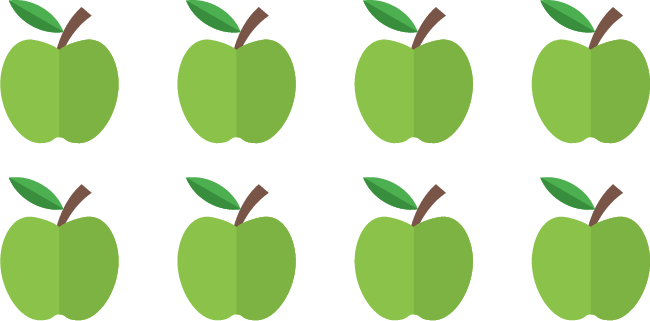
8 is .
- An even number can be divided into 2 equal groups.
- 8 apples can be divided into 2 equal groups of 4 apples:
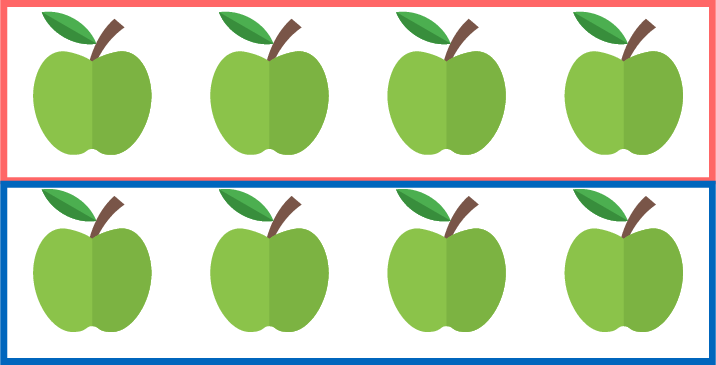
- 8 is even.
Exercise

5 is .
- An odd number cannot be divided into 2 equal groups.
- 5 oranges cannot be divided into 2 equal groups. 5 divided by 2 equals 2 with a remainder of 1.
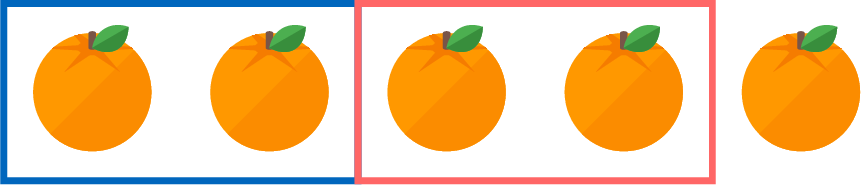
- 5 is odd.
Exercise

2 is .
- An even number can be divided into 2 equal groups.
- 2 lemons can be divided into 2 equal groups of 1 lemon:

- 2 is even.
Exercise

7 is .
- An odd number cannot be divided into 2 equal groups.
- 7 lemons cannot be divided into 2 equal groups. 7 divided by 2 equals 3 with a remainder of 1.

- 7 is odd.
Exercise
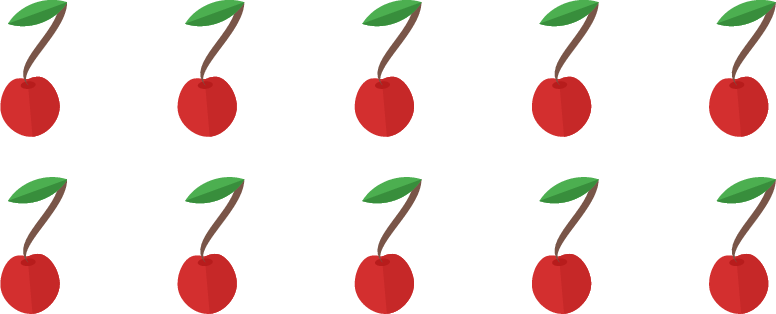
10 is .
- An even number can be divided into 2 equal groups.
- 10 cherries can be divided into 2 equal groups of 5 cherries:
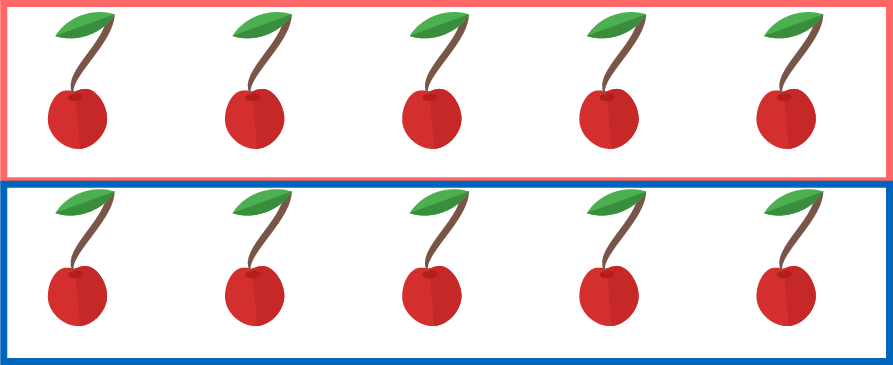
- 10 is even.
Identifying the Parity of a Number
Exercise
6 is an number.
- An even number can be divided into 2 equal groups.
- \(6 = 2\times 3 = 3+ 3\).
- So 6 is an even number.
Exercise
5 is an number.
- An odd number cannot be divided into 2 equal groups without a remainder.
- \(5 = 2 \times 2 + 1 = 2 + 2 + 1\).
- So, 5 is an odd number.
Exercise
12 is an number.
- An even number can be divided into 2 equal groups without any remainder.
- \(12 = 6 \times 2 = 6 + 6\).
- So, 12 is an even number.
Exercise
8 is an number.
- An even number can be divided into 2 equal groups.
- \(8 = 2 \times 4 = 4 + 4\).
- So, 8 is an even number.
Exercise
9 is an number.
- An odd number cannot be divided into 2 equal groups without a remainder.
- \(9 = 2 \times 4 + 1= 4 + 4 + 1\).
- So, 9 is an odd number.
Exercise
11 is an number.
- An odd number cannot be divided into 2 equal groups without a remainder.
- \(11 = 2 \times 5 + 1 = 5 + 5 + 1\).
- So, 11 is an odd number.
Solving Real-World Problems
Mcq
You are planning a treasure hunt for 10 children in the park. You want to split them into two teams so each team has the same number of children.
Can you split the 10 children into 2 equal teams?
Choose one answer:
Can you split the 10 children into 2 equal teams?
Choose one answer:
- \(10=2\times 5\), so 10 is an even number.
- Therefore, you can divide the 10 children into 2 equal teams, with 5 children in each team.
Mcq
During an art project, you have 9 pieces of colored paper and want to divide them equally between two students.
Can you divide the 9 pieces of paper so each student gets the same amount?
Choose one answer:
Can you divide the 9 pieces of paper so each student gets the same amount?
Choose one answer:
- \(9=2\times 4 + 1=4+4+1\), so 9 is an odd number.
- Therefore, you cannot divide the 9 pieces equally. One student will have one more piece than the other.
Mcq
You are a teacher and want to divide your class into 2 teams for a sports day. There are 16 students in your class.
Can you split the students into 2 equal teams?
Choose one answer:
Can you split the students into 2 equal teams?
Choose one answer:
- \(16=2\times 8\), so 16 is an even number.
- Therefore, you can divide the students into 2 equal teams with 8 students in each team.
Mcq
You are organizing a reading group in your classroom. You have 15 books and want to make 2 groups so each has the same number of books.
Can you divide the 15 books equally between the 2 groups?
Choose one answer:
Can you divide the 15 books equally between the 2 groups?
Choose one answer:
- \(15=2\times 7 + 1=7+7+1\), so 15 is an odd number.
- Therefore, you cannot divide the 15 books equally. One group will have one more book than the other.